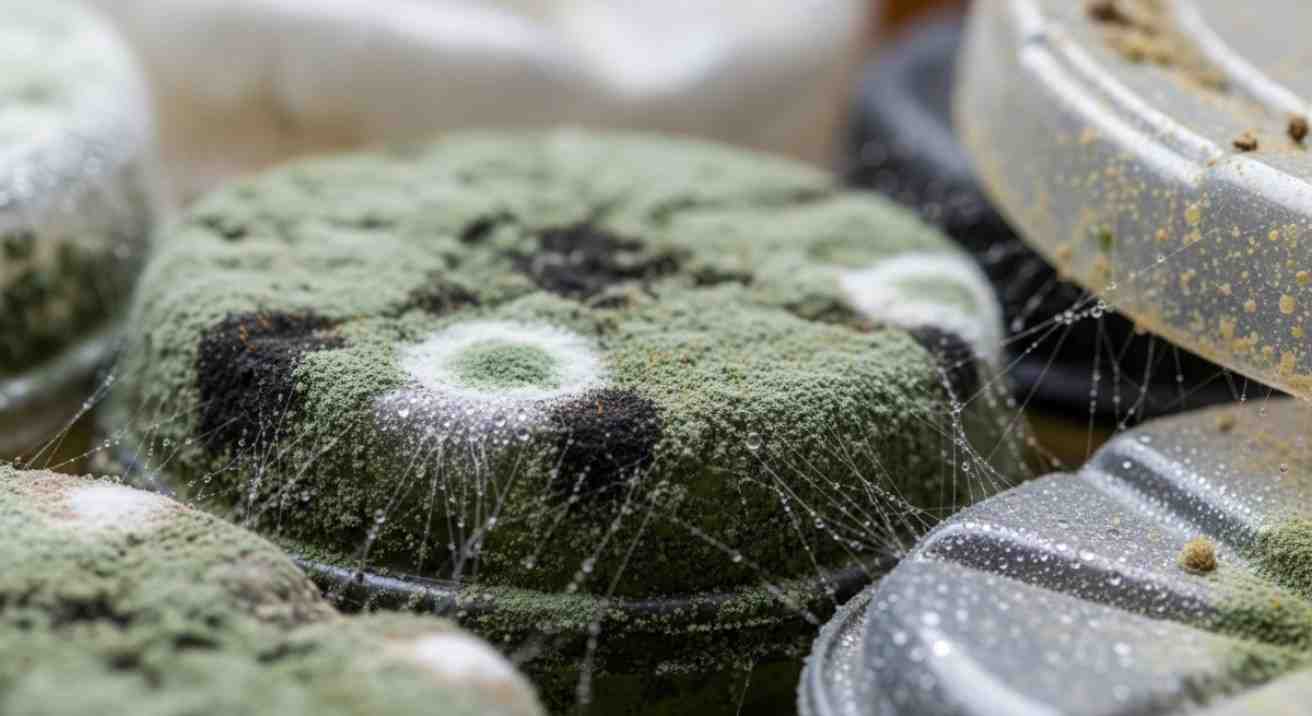

Plastic free tea bag brands that care for your health and the planet. Explore eco-friendly, biodegradable options for a cleaner, sustainable brew.
Introduction
A perfect cup of tea should be pure, refreshing, and free from hidden plastics. Yet, most commercial tea bags contain polypropylene, a type of plastic that releases microplastics into your drink and the environment.
That’s why plastic free tea bag brands are gaining massive attention among eco-conscious tea lovers. These eco-friendly tea brands use compostable and biodegradable tea bags made from plant-based fibers and sustainable packaging — ensuring your tea is as clean as it is green.
Switching to plastic free tea is more than a trend — it’s a lifestyle choice for those who care about health, purity, and the planet.
How to Identify Truly Plastic-Free Tea Bags
| Criteria | What to Look For | Why It Matters |
|---|---|---|
| Label & Certification | Look for terms like “100% Plastic-Free,” “Compostable,” or “Biodegradable” and certifications like Plastic Free Trust Mark or OK Compost | Ensures the brand is genuinely offering microplastic-free tea bags |
| Material Type | Plant-based fibers, abaca (banana hemp), cornstarch PLA, or paper | These materials are biodegradable and safe for the environment |
| Avoid These Materials | Nylon, polyester, polypropylene | These release microplastics into tea and take centuries to decompose |
| Packaging Type | Recyclable cardboard, compostable paper, or plant-based film wraps | Supports sustainable packaging and reduces overall plastic waste |
| Brand Transparency | Brands that clearly list materials, sustainability policies, and ethical sourcing | Transparent brands are usually authentic plastic free tea bag brands |
| Customer Reviews | Verified eco-community feedback and third-party sustainability audits | Confirms real-world plastic-free performance and authenticity |
Why Plastic Free Tea Bag Brands Matter
1. They Eliminate Hidden Microplastics
- Many commercial tea bags are sealed with polypropylene, which releases microplastics and toxins when steeped in hot water.
- Plastic free tea bag brands use plant-based fibers, biodegradable mesh, or cornstarch-derived materials that are non-toxic, safe, and 100% compostable.
- By switching to microplastic-free tea, you protect your body from plastic exposure while reducing environmental pollution.
2. Better for the Environment
- Traditional tea bags contribute to plastic waste, which harms marine life and soil health.
- Eco-friendly tea brands use sustainable packaging and compostable tea bags that decompose naturally — leaving zero waste behind.
- Supporting sustainable tea brands helps build a greener planet and encourages responsible manufacturing practices.
3. Healthier Choice for You
- Microplastic-free tea ensures a pure, chemical-free brew, free from synthetic additives.
- Consuming tea without hidden plastics supports better digestion, hormonal balance, and immune health.
- Choosing plastic free tea brands means you’re prioritizing clean ingredients and mindful consumption.
4. Promotes Ethical and Sustainable Sourcing
- Many plastic free tea brands also emphasize fair trade, organic tea leaves, and eco-conscious packaging.
- This ensures that your tea not only tastes good but also supports ethical farmers and sustainable production methods.
- By supporting these eco-conscious tea brands, you contribute to a transparent, responsible, and fair tea industry.
In short, plastic free tea bag brands go beyond packaging — they represent a cleaner, greener, and more conscious way to enjoy your favorite beverage.
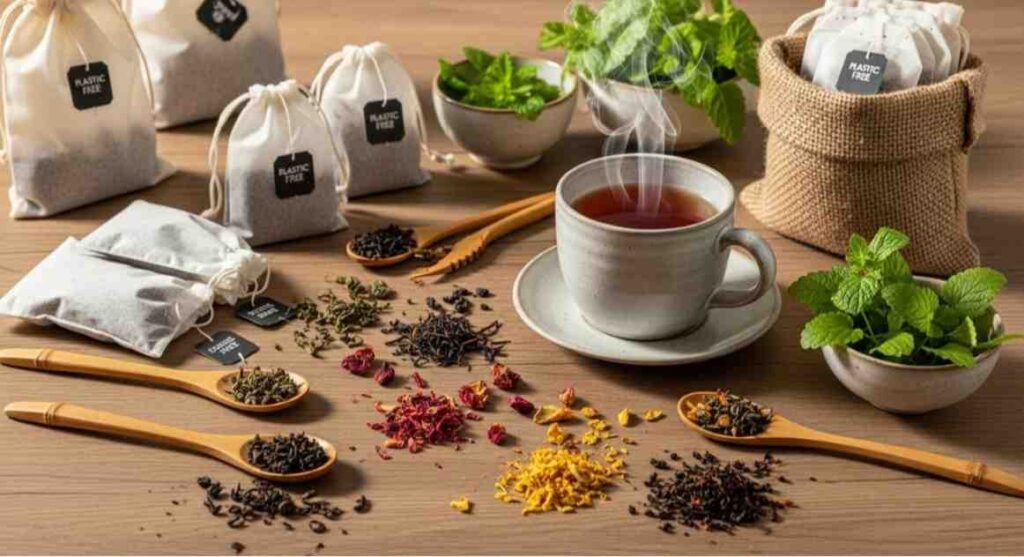
Best Plastic Free Tea Bag Brands (2025 Edition)
| Brand Name | Plastic-Free Material Used | Certifications / Eco Labels | Key Features | Why It’s Recommended |
|---|---|---|---|---|
| Pukka Herbs | Unbleached paper & plant-based fibers | Soil Association, Fair for Life | Organic blends, fully compostable tea bags, recyclable boxes | A pioneer in sustainable tea packaging with rich herbal flavors and verified eco-certifications. |
| Clipper Teas | Biodegradable PLA made from cornstarch | Plastic Free Trust Mark | Fairtrade-certified, renewable packaging, 100% microplastic-free | First UK tea brand to go fully plastic-free while keeping flavor quality high. |
| TeaPigs | Cornstarch mesh & recyclable paper sachets | Rainforest Alliance, B Corp | Zero waste tea packaging, high-quality loose-leaf blends | Perfect for conscious tea drinkers seeking both taste and sustainability. |
| Yogi Tea | Abaca fibers & compostable paper | USDA Organic, Non-GMO Project | Herbal wellness blends, sustainable sourcing, mindful farming | Combines eco-conscious tea production with health and well-being. |
| Twinings Pyramid Range | Plant-based film and FSC Certified Paper | Fairtrade, Ethical Tea Partnership | Pyramid bags enhance flavor, eco-friendly tea packaging | A heritage brand embracing the plastic-free movement. |
| Numi Organic Tea | Hemp-based, unbleached paper | Climate Neutral Certified, Fair Trade | 100% plastic-free tea bags, biodegradable outer wraps | Leading the shift toward climate-positive and sustainable tea production. |
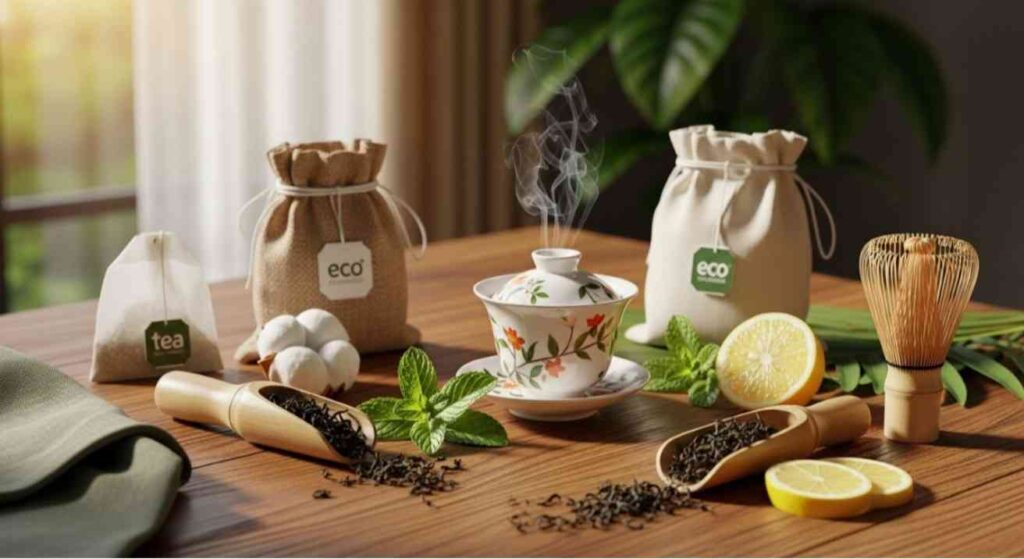
Why These Brands Stand Out
- All these eco-friendly tea brands use biodegradable or compostable materials that break down naturally — no plastic residue, no microplastics in your cup.
- Their packaging is recyclable or plastic-free, aligning with zero waste and sustainable living goals.
- They combine ethical production with premium quality, proving that sustainability doesn’t have to sacrifice taste.
- Each brand focuses on sustainable sourcing, ensuring fair trade practices and eco-conscious farming.
Key Benefits of Choosing Plastic Free Tea Bag Brands
| Benefit | Description | Why It Matters |
|---|---|---|
| 1. Health Protection | Plastic free tea bags are made from plant-based and biodegradable materials, preventing microplastic contamination in your drink. | Ensures toxin-free, pure tea that’s safe for daily use. |
| 2. Environmental Impact | Eco-friendly tea bags decompose naturally without harming soil or marine life. | Reduces plastic waste and ocean pollution, supporting a zero waste lifestyle. |
| 3. Ethical & Sustainable Farming | Plastic free tea bag brands often source from Fairtrade and organic farms using sustainable practices. | Promotes ethical labor, biodiversity, and climate-friendly farming. |
| 4. Better Tea Flavor | Compostable tea bags allow tea leaves to expand fully, enhancing taste and aroma. | Results in a richer, more authentic tea experience — no plastic aftertaste. |
| 5. Conscious Consumer Habits | Choosing biodegradable and sustainable packaging makes you more mindful of your daily choices. | Encourages a green, eco-conscious lifestyle and inspires collective change. |
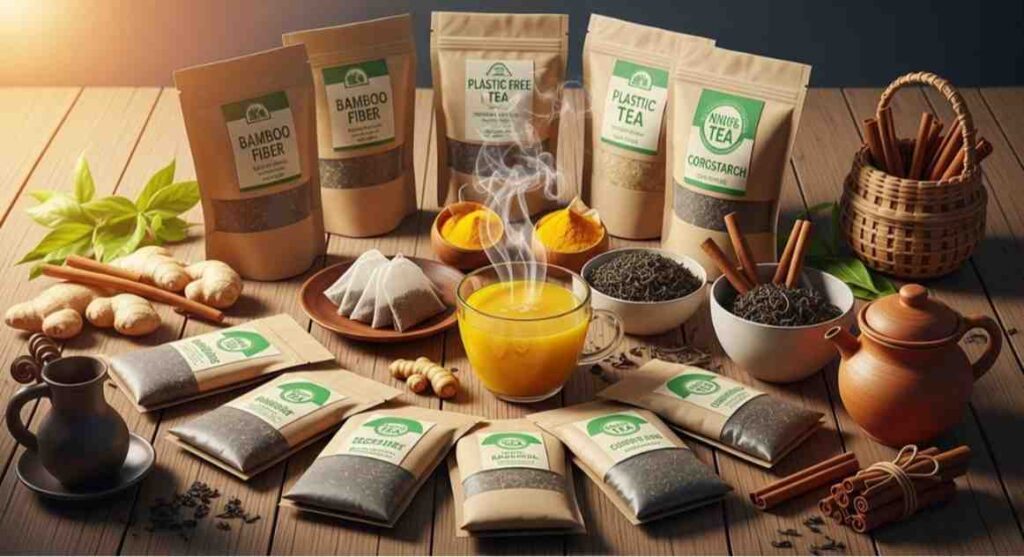
Environmental Impact of Plastic Free Tea Bags
Plastic free tea bag brands are leading a quiet revolution toward sustainability.
Every cup made with eco-friendly tea bags helps reduce plastic pollution, protect marine life, and build a cleaner planet. Unlike traditional tea bags that contain polypropylene or nylon, biodegradable tea bags are made from plant-based fibers that naturally decompose — making them safer for you and the Earth.
1. Reduces Plastic Pollution
- Traditional tea bags often contain microplastics that pollute soil and water.
- Plastic free tea bag brands use biodegradable, compostable materials like abaca fiber, cornstarch PLA, and unbleached paper.
- These materials break down naturally, helping to reduce plastic waste that would otherwise end up in landfills or oceans.
By choosing plastic free tea bags, you prevent thousands of microplastic particles from entering your tea and the environment.
2. Supports Soil and Compost Health
- Compostable tea bags enrich the soil when disposed of correctly.
- Made from organic, plant-based materials, they release nutrients back into the earth during composting.
- Unlike plastic tea bags, which can release toxins, these eco-friendly tea bags contribute to healthier compost and sustainable gardening.
Every biodegradable tea bag you compost brings new life to the soil — a small act with big environmental benefits.
3. Lowers Carbon Footprint
- Producing plastic free tea bags requires less energy and fewer fossil fuels compared to conventional plastics.
- Many sustainable tea brands also focus on renewable energy, zero waste packaging, and ethical sourcing.
- This shift to eco-conscious manufacturing results in a significantly reduced carbon footprint.
Each eco-friendly cup of tea is a vote for a cleaner, greener, and more climate-friendly future.
4. Protects Wildlife and Marine Life
- Plastic tea bags often break down into microplastics that harm aquatic life and enter the food chain.
- Plastic free tea bag brands ensure that their materials dissolve safely, posing no threat to marine or land animals.
- Even their compostable packaging and recyclable wraps are designed with wildlife protection in mind.
Switching to plastic free tea bags means protecting oceans, rivers, and the creatures that call them home.
5. Promotes a Circular, Sustainable Economy
- Eco-friendly tea companies are reshaping production by using recyclable, compostable, and renewable packaging.
- Their commitment to sustainable supply chains and green sourcing promotes a circular economy, where waste becomes a resource.
- Some brands even partner with reforestation projects or support fair trade farmers, reinforcing ethical sustainability.
Plastic free tea bag brands don’t just sell tea — they build systems that give back to people and the planet.
Quick Overview: How Plastic Free Tea Bags Help the Environment
| Environmental Factor | Impact of Plastic-Free Tea Bags | Result |
|---|---|---|
| Plastic Waste | Eliminated with biodegradable materials | Cleaner land and oceans |
| Composting | Adds nutrients and decomposes safely | Healthier soil, zero toxins |
| Carbon Emissions | Lower due to renewable sourcing | Reduced carbon footprint |
| Wildlife Safety | No microplastics or harmful residue | Protected marine and land life |
| Sustainability | Encourages circular economy practices | Long-term ecological balance |
Final Thought
Plastic free tea bag brands symbolize a shift toward conscious living and environmental responsibility.
By switching to biodegradable, compostable tea bags, you’re helping to reduce plastic waste, support sustainable farming, and protect the planet for generations to come.
Each sip of your tea becomes an act of sustainability — one cup, one planet, one powerful change.
Future of Plastic Free Tea Bags and Sustainability Trends (2025 & Beyond)
The future of plastic free tea bag brands looks brighter than ever.
With growing awareness of eco-friendly packaging and biodegradable tea products, the world is witnessing a powerful movement toward sustainable living. Consumers are no longer satisfied with just good flavor — they want brands that respect the planet and promote zero waste lifestyles.
1. Growing Consumer Awareness
- More tea drinkers are choosing eco-conscious options, shifting from conventional plastic tea bags to biodegradable and compostable tea bags.
- Studies show a massive increase in demand for sustainable tea packaging across Europe, Asia, and North America.
- Brands are responding by launching plastic free tea bag lines with transparent sourcing and green labeling.
Plastic free tea bag brands are transforming from niche alternatives to mainstream, eco-friendly staples.
2. Innovation in Biodegradable Materials
- Researchers are developing next-gen compostable tea bags made from cornstarch PLA, abaca fibers, banana paper, and hemp cellulose.
- These biodegradable tea bags are heat-sealable, toxin-free, and durable, making them ideal replacements for plastic versions.
- The latest eco-friendly materials maintain tea flavor and freshness without harming the environment.
Future tea bags will be 100% plastic free — blending taste, technology, and sustainability.
3. Rise of Zero Waste and Refillable Packaging
- Sustainable tea brands are introducing zero waste refills, loose-leaf tins, and recyclable pouches.
- The zero waste movement promotes reusability, reducing single-use packaging waste.
- Consumers adopting a zero plastic lifestyle are drawn to tea companies using compostable and refillable systems.
Plastic free tea bag brands are leading the charge toward a zero waste future — one refill at a time.
4. Global Shift Toward Green Certifications
- Certifications like Plastic-Free Certified, Compostable Label, and Fair Trade Organic are becoming crucial for eco-conscious buyers.
- Governments and sustainability organizations now encourage green manufacturing and ethical tea sourcing.
- These eco-certifications enhance consumer trust and prove that the brand’s sustainability claims are legitimate.
Plastic free tea bag brands that commit to verified certifications are setting the gold standard for environmental responsibility.
5. Technology and Transparency in Tea Production
- The future of sustainable tea packaging lies in transparency and traceability.
- Many companies now use blockchain tracking, QR codes, and digital trace systems to show where tea materials come from and how they’re processed.
- This innovation gives eco-conscious consumers confidence in the product’s authenticity and impact.
Technology is empowering both tea lovers and brands to make sustainability transparent, measurable, and trustworthy.
Quick Overview: The Future Landscape of Plastic Free Tea Bag Brands
| Trend | Description | Environmental Impact |
|---|---|---|
| Eco-Aware Consumers | Rising preference for sustainable and biodegradable tea bags | Drives eco-friendly innovation |
| Material Innovation | Plant-based fibers and compostable materials replacing plastics | Reduces long-term waste and pollution |
| Zero Waste Packaging | Refillable, recyclable, and reusable packaging systems | Promotes circular economy |
| Green Certifications | Verified eco and fair trade labels | Builds consumer trust and credibility |
| Tech Transparency | Blockchain and digital traceability | Ensures authenticity and accountability |
Final Thought
Plastic free tea bag brands are leading the next wave of environmental innovation.
From biodegradable packaging to zero waste refills, every advancement brings us closer to a plastic free planet.
The combination of technology, consumer awareness, and ethical sourcing is shaping a tea industry that’s both sustainable and responsible.
The future of tea is not just about flavor — it’s about harmony between taste and the Earth.
How to Choose the Best Plastic Free Tea Bag Brand for You
Finding the right plastic free tea bag brand can feel overwhelming with so many “eco-friendly” options on the market. Here’s a simple guide to help you make an informed, sustainable, and healthy choice — without the confusion.
1. Check for “100% Plastic-Free” Certification
- Many brands claim to be “eco-friendly,” but only a few are truly plastic free.
- Look for verified labels such as “biodegradable,” “compostable,” or “plant-based materials.”
- Avoid brands using polypropylene or “heat-sealed” bags — these often still contain microplastics.
2. Read the Packaging Details Carefully
- The packaging should be recyclable, paper-based, or compostable — not laminated or foil-coated.
- Brands like Clipper and Pukka use eco-certified, plastic-free packaging that aligns with zero-waste goals.
- Choosing sustainable packaging ensures that both your tea and its wrapper are planet-friendly.
3. Understand the Material Used in Tea Bags
- Check if the tea bags are made from cornstarch (PLA), hemp fiber, abaca, or cellulose — all safe, biodegradable materials.
- Avoid nylon or polyester tea bags, as these release microplastics when steeped in hot water.
- A good indicator: if the tea bag feels paper-like rather than slippery, it’s more likely plastic-free.
4. Choose Ethical and Sustainable Brands
- Look for fair trade and organic certifications that support ethical tea sourcing.
- Sustainable tea brands often invest in eco-friendly farming and pay fair wages to tea growers.
- Supporting these brands helps promote responsible consumption and global sustainability.
5. Consider Taste, Aroma, and Brewing Style
- Every brand offers a distinct flavor — some use loose-leaf biodegradable tea bags, while others focus on organic blends.
- Try smaller packs first to see which one fits your taste preference and brewing habits.
- The best plastic free tea bag brands deliver flavor, aroma, and sustainability together.
6. Compare Prices and Value
- While plastic-free tea may cost slightly more, the long-term environmental and health benefits are worth it.
- Focus on quality over quantity — cheap brands often compromise on purity or packaging.
- A sustainable purchase is an investment in your health and the planet.
Consumer Awareness: Avoiding Greenwashing in Plastic Free Tea Brands
As the demand for plastic free tea bag brands grows, some companies make false eco-friendly claims to attract conscious buyers. This marketing trick — known as greenwashing — can mislead even the most careful consumers. Here’s how to spot the fakes before you buy.
1. Watch Out for “Partially Plastic Free” Labels
- Many brands still use polypropylene sealants or plastic mesh, even if labeled “eco-friendly.”
- Truly plastic free tea bags are made from plant-based fibers like PLA, hemp, or abaca.
- Check for transparency — if materials aren’t clearly mentioned, it’s probably not 100% plastic-free.
2. Verify Certifications and Packaging
- Look for recognized eco-labels like Plastic Free Trust Mark, Fairtrade, or OK Compost.
- Avoid brands with plastic-coated boxes or foil wraps, even if the bag itself is eco-friendly.
- Authentic sustainable tea brands use compostable packaging from bag to box.
3. Spot Red Flags
| Red Flag | What It Means | Better Choice |
|---|---|---|
| “Eco” or “Natural” with no proof | Likely greenwashing | Certified eco brands |
| Hidden material list | Lack of transparency | Brands that share details |
| Plastic outer wrap | Not zero waste | Compostable packaging |
The Future of Plastic Free Tea Packaging
| Trend / Innovation | Description | Environmental Impact | Key Benefits for Consumers |
|---|---|---|---|
| Fully Compostable Materials | Future tea bags will use biodegradable fibers like cornstarch (PLA), banana fiber, and hemp cellulose. | Reduces landfill waste and microplastic pollution. | Offers natural flavor retention and zero toxin exposure. |
| Edible & Water-Soluble Packaging | Brands are testing seaweed- and rice-based edible packaging that dissolves completely in hot water. | Eliminates single-use waste and supports a zero waste lifestyle. | 100% safe, sustainable, and innovative plastic-free alternative. |
| Minimalist & Smart Design | Use of minimal inks, paper wraps, compostable glues, and QR-coded tags for traceability. | Cuts down production emissions and supports eco-friendly branding. | Enhances transparency, allows digital sustainability tracking. |
| AI & Blockchain Traceability | Next-gen plastic free tea bag brands integrate AI systems to monitor sourcing, packaging, and carbon output. | Encourages ethical sourcing and data-backed sustainability. | Builds trust through verifiable eco-claims and transparency. |
| Global Plastic Regulations | Governments enforcing plastic packaging bans and promoting eco-certification compliance. | Accelerates industry-wide switch to sustainable tea packaging. | Ensures safe, regulated, and eco-certified tea for consumers. |
| Circular Economy Integration | Emphasis on recyclable and reusable tea containers rather than disposable bags. | Supports a closed-loop system — no waste left behind. | Encourages long-term sustainability and consumer responsibility. |
| Future Outlook (2030 & Beyond) | By 2030, most major tea brands are expected to go fully plastic-free and carbon neutral. | Global reduction in plastic waste and carbon emissions. | Delivers eco-friendly tea experiences with complete transparency. |
In essence: The future of plastic free tea bag brands lies in innovation, accountability, and sustainability. From compostable packaging to AI-driven eco-proofing, every step brings us closer to a truly green tea revolution.
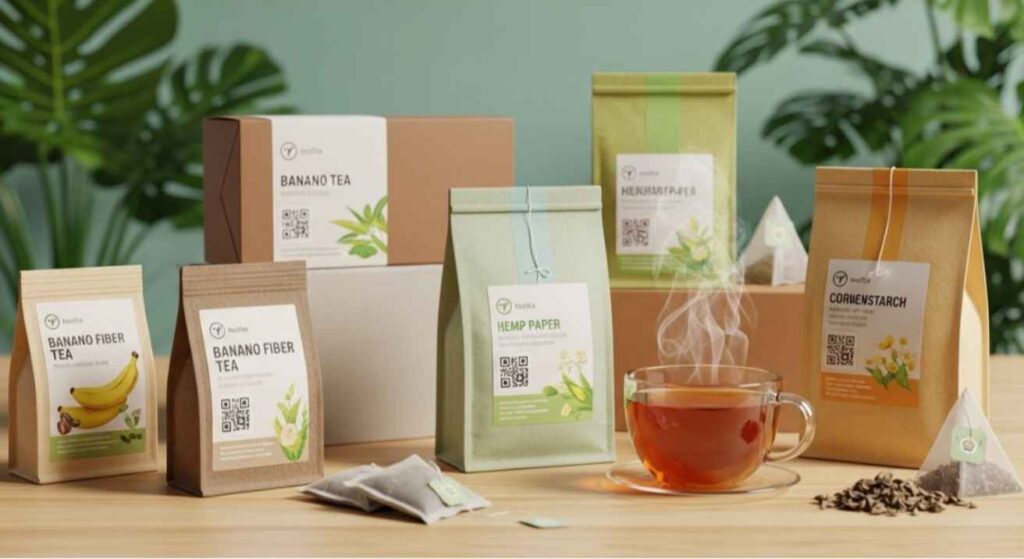
FAQs About Plastic Free Tea Bags
1. Are plastic free tea bags really better for health?
Yes, plastic free tea bags are significantly healthier because they are made from natural plant-based fibers such as cornstarch, abaca hemp, or unbleached paper.
Unlike traditional tea bags, they don’t release harmful microplastics into your drink when exposed to hot water. This ensures your tea remains pure, toxin-free, and safe for everyday consumption.
Using biodegradable tea bags also reduces exposure to synthetic chemicals, promoting overall well-being.
2. How do I know if a tea bag contains plastic?
Always read the packaging label carefully. Look for words such as “plastic-free,” “biodegradable,” “compostable,” or “eco-friendly.”
Avoid tea bags labeled as “nylon mesh,” “silky pyramid,” or “PET.” These terms often indicate the presence of polypropylene or polyester, both forms of plastic.
Certified sustainable tea brands will usually highlight their eco-conscious materials clearly on the packaging.
3. Can I compost plastic free tea bags at home?
Yes, most plastic free tea bags are fully compostable. You can safely add them to your home compost bin, provided you remove staples, tags, or strings made of metal or plastic.
In 8–12 weeks, biodegradable tea bags typically decompose into nutrient-rich compost — a great way to reduce waste and nourish your soil naturally.
4. Do plastic free tea bags affect taste?
No, plastic free tea bags do not alter the taste of tea. In fact, eco-friendly tea bags often enhance the natural aroma and flavor of the leaves because they don’t contain synthetic coatings or glues.
The result is a cleaner, fresher, and more authentic taste, allowing you to enjoy your favorite blends exactly as nature intended.
5. Are all eco-friendly tea bags truly plastic free?
Not all “eco-friendly” tea bags are completely plastic free. Some brands claim partial sustainability but still use polypropylene sealants for heat sealing.
To ensure authenticity, look for 100% compostable tea packaging or certifications such as Soil Association or Plastic Free Trust Mark.
Genuinely sustainable tea brands will always provide transparency about their materials.
6. What are the best alternatives to tea bags with plastic?
Loose leaf tea is the best zero waste alternative to plastic tea bags. You can brew it using a stainless steel infuser or a reusable cotton tea filter.
Other great options include organic, biodegradable sachets made from PLA (polylactic acid) or natural abaca fibers.
Switching to plastic free tea products supports both your health and the environment.
7. Why do some tea companies still use plastic in tea bags?
Many traditional brands continue to use plastic because it’s cheap, durable, and heat-sealable.
However, with rising consumer awareness and sustainability regulations, more tea companies are shifting toward eco-friendly packaging solutions.
Brands adopting biodegradable tea materials are seeing increased trust and long-term loyalty from environmentally conscious consumers.
8. How can I support the plastic-free movement?
Start by choosing certified plastic free tea bag brands. Every purchase you make sends a strong message to the industry.
You can also support sustainable packaging initiatives, share awareness about microplastic pollution, and encourage others to switch to compostable, biodegradable products.
Each small choice contributes to a cleaner, greener planet and a more sustainable tea culture.
Conclusion:
Plastic free tea bag brands are redefining how we enjoy tea — blending health, flavor, and sustainability in every cup.
By choosing eco-friendly, biodegradable tea bags, you help cut microplastic pollution and protect your well-being.
Sustainable tea packaging supports a zero waste lifestyle and encourages responsible choices.
Each cup of microplastic-free tea you brew reflects a commitment to a cleaner planet and a healthier future.
Make the switch today: choose plastic free, biodegradable tea bags and support sustainable tea brands that care for your health and the Earth.