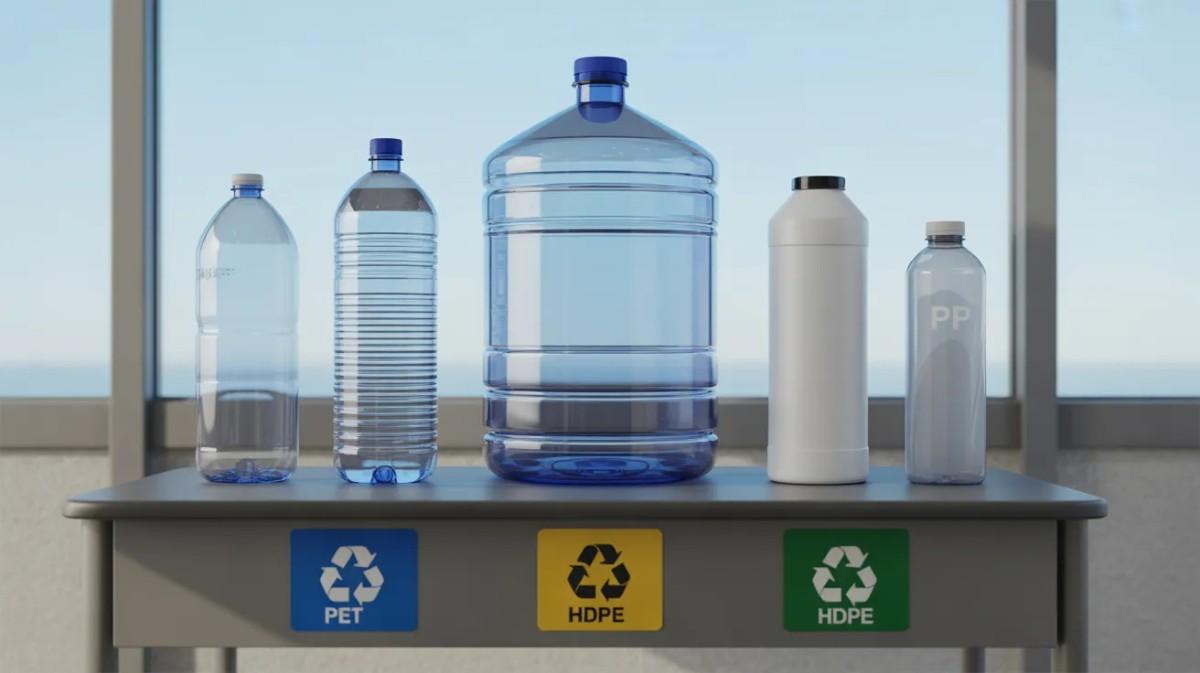
Plastic Container for Water: PET and HDPE are recyclable; PP, mixed, and unknown plastics are not. Learn safe reuse and recycling tips.
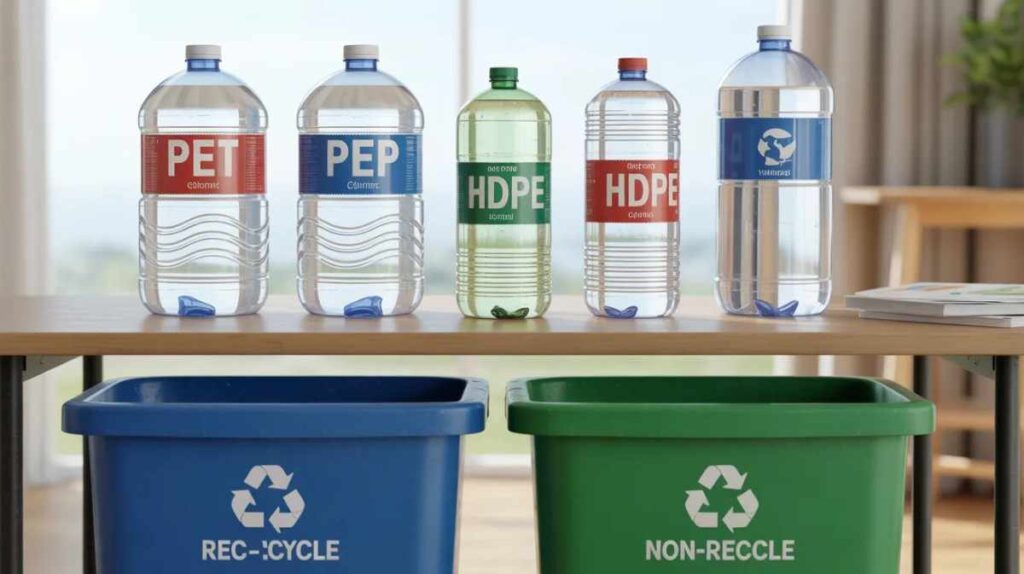
Fact 1: Not All Plastic Container for Water Are Recyclable
- Many people assume every plastic container for water is recyclable.
- This belief is incorrect; only certain materials are accepted.
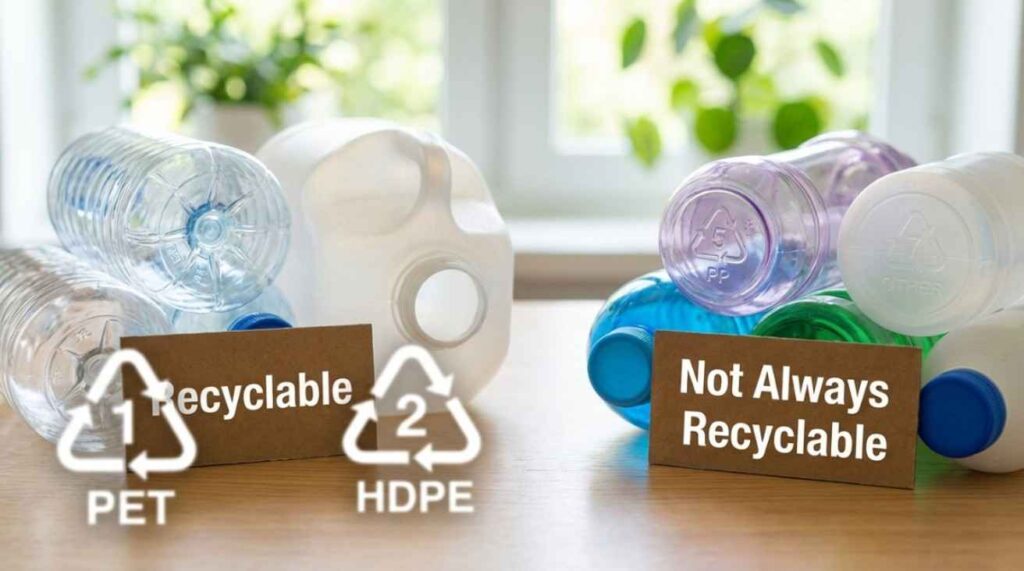
- PET water bottles and HDPE water storage containers are widely recyclable.
- Containers made from mixed plastics or unidentified materials often cannot be recycled.
- Check the recycling code printed underneath the container before throwing it away.
- This helps confirm whether your plastic container for drinking water is recyclable or not.
Fact 2: Food Grade Does Not Always Mean Recyclable
- A food grade plastic container for water is safe for drinking use.
- However, this does not ensure the container is actually recyclable.
- Safety and recyclability are completely different considerations.
- Some BPA free plastic container for water items are safe for reuse but still not accepted by recycling facilities.
- Understanding this difference reduces confusion and prevents contamination in recycling streams.
Fact 3: Reusable Plastic Water Containers Reduce Waste
- A reusable plastic water container is better for the environment than single-use bottles.
- Reusing a plastic container for water multiple times reduces plastic waste and saves resources.
- Durable materials like PP reusable drinking water containers and HDPE reusable water jugs are made for long-term use.
- This makes them a smarter choice for daily hydration and sustainable living.
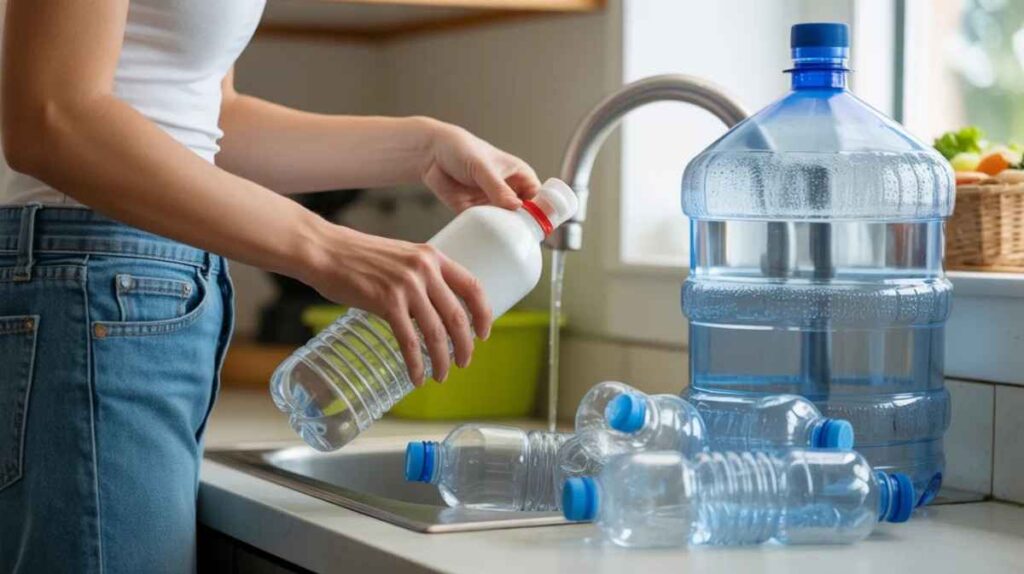
Fact 4: Size and Thickness Affect Recycling
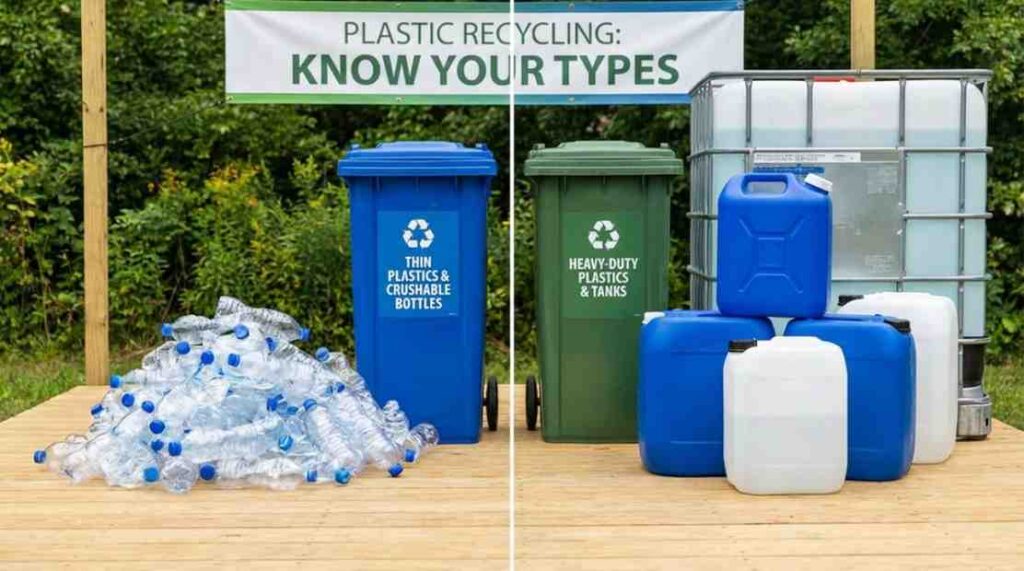
- The size and thickness of a plastic water storage container influence its recyclability.
- Thin, flexible bottles are easier to process than very thick or multi-layer containers.
- Large water storage container plastic tanks may need special recycling systems.
- Understanding this helps users separate small household containers from heavy-duty storage units correctly.
Fact 5: Dirty Containers Are Often Rejected
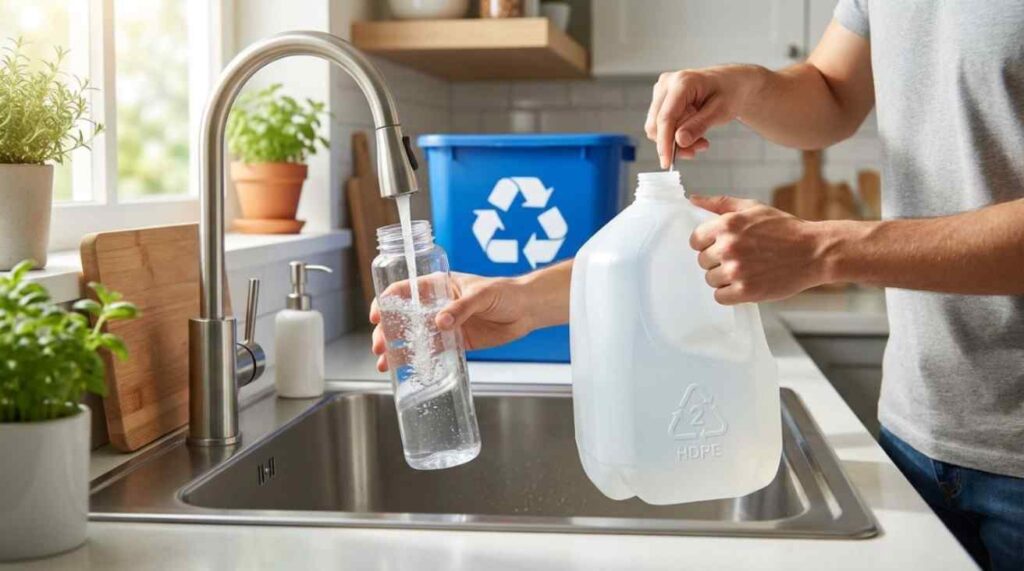
- A plastic container for water must be clean before recycling.
- Leftover liquid, dirt, or odor can lead to the whole batch being rejected.
- Always rinse your reusable plastic water container before placing it in the recycling bin.
- Clean containers increase recycling success and reduce contamination.
Fact 6: Recycling Codes Decide the Outcome
- Every plastic container for water has a recycling code number.
- Codes like 1 PET and 2 HDPE are widely recyclable.
- Other codes may not be accepted at all recycling facilities.
- Knowing these symbols helps you choose a safe plastic container for water that is easier to recycle.
Fact 7: Reuse Is Better Than Recycling Alone
- Recycling is useful, but reuse has a bigger impact.
- Reusing the same plastic container for water saves energy and cuts landfill waste.
- Durable plastic water containers can last for months or years if cleaned properly.
- Reuse first, then recycle when the container is no longer usable.
FAQ – Plastic Container for Water Recycling
Q1: Can every plastic container for water be recycled?
A: No. Only PET or HDPE containers are widely recyclable.
Q2: Is a BPA free plastic container for water always recyclable?
A: Not always. Recyclability depends on the plastic type and local rules.
Q3: Should I clean a plastic container for water before recycling?
A: Yes. Always rinse and dry the container to improve recycling success.
Q4: Are reusable plastic water containers better than disposable ones?
A: Yes. Reusable plastic water containers reduce waste and promote sustainable use.
Conclusion
A plastic container for water is practical, but not all types are recyclable. Knowing the material, recycling code, and cleaning rules makes recycling easier and more effective. Reuse your reusable plastic container for water whenever possible to cut waste and protect the environment. Choose the right materials, keep containers clean, and follow local recycling guidelines. These steps help turn used plastic containers into new products, support a cleaner recycling system, and promote responsible daily water storage habits.