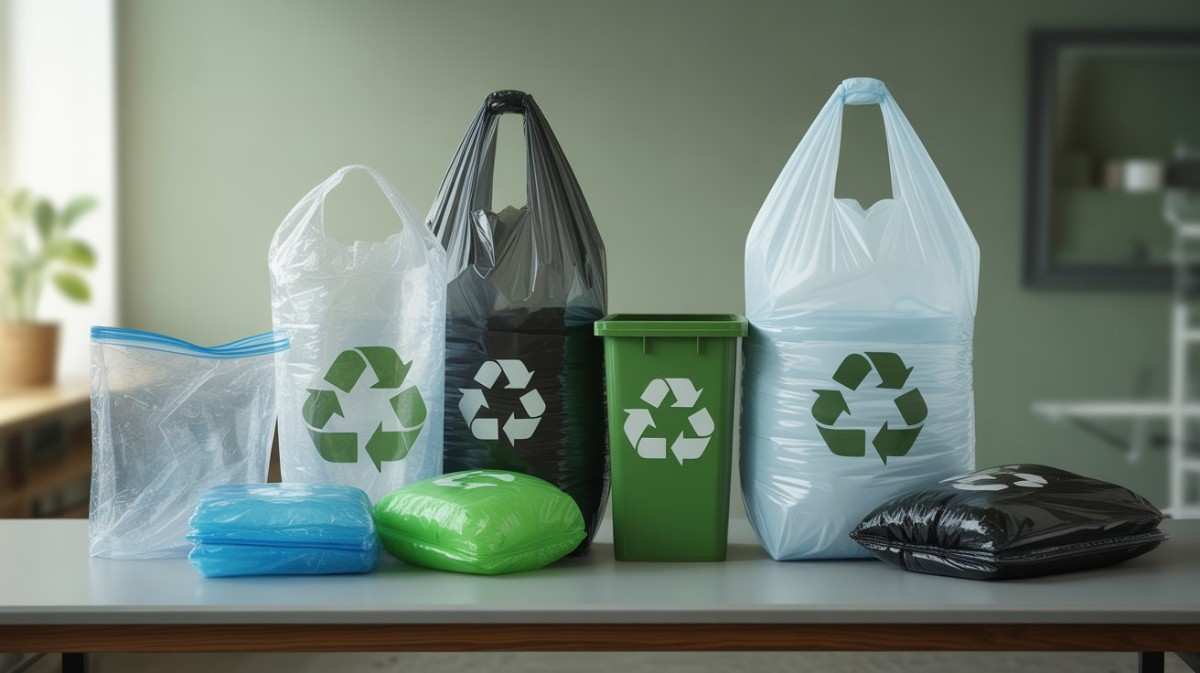

Plastic Bag HS Code 2026 guide with correct customs classification, duty rates, and import-export rules to avoid costly mistakes.
Introduction
Accurate classification of plastic bags is vital in international trade, making a clear understanding of the plastic bag HS code essential for every importer and exporter. As key products in packaging, retail, and logistics, plastic bags are classified by customs authorities based on their material and intended use.
Misusing the plastic bag HS code can result in customs delays, extra duties, or penalties. This guide explains the HS code for plastic bags, including HS code 3923, material-based classifications, duty considerations, and practical examples, enabling you to manage your import-export operations efficiently and in full compliance.
Plastic Bag HS Code Classification Under Chapter 39
| HS Code | Description | Examples |
|---|---|---|
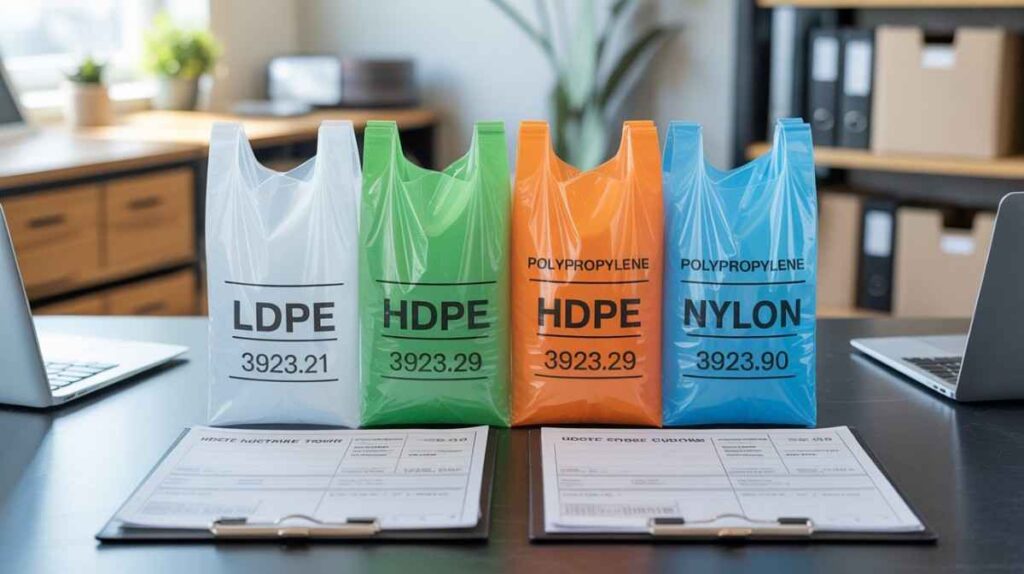
| 3923.21 | Sacks and bags of polymers of ethylene | LDPE and HDPE shopping bags, grocery bags, garbage bags |
| 3923.29 | Sacks and bags of other plastics | Polypropylene and nylon plastic bags |
| 3923.90 | Other plastic packaging articles | Miscellaneous plastic packaging products |
Notes:
- All items fall under Chapter 39 – Plastics and Articles Thereof.
- Use the correct plastic bag HS code based on material and intended use to ensure smooth customs clearance.
What Is a Plastic Bag HS Code and Why Is It Important?
A plastic bag HS code is a standardized numerical classification under the Harmonized System (HS), overseen by the World Customs Organization and recognized worldwide for international trade.
This code helps customs authorities identify a plastic bag’s material and intended purpose. Using the HS code:
- Customs duties and taxes are calculated accurately
- Import-export regulations are applied correctly
- Trade records and statistics are maintained
Incorrect use of the plastic bag HS code can cause shipment delays, reassessments, or fines. Proper classification ensures legal compliance and cost-effective trade.

Import Duty, Tariffs & Compliance for Plastic Bag HS Code
| Aspect | Details |
|---|---|
| HS Code Impact | Determines import duties and tariff rates based on country-specific trade policies |
| Environmental Duties | Some countries impose extra duties or restrictions on plastic shopping bags |
| Compliance Tip | Regularly review updated customs tariffs and HS code schedules |
| Business Benefit | Correct HS classification avoids unnecessary taxes, fines, and legal issues |

How to Determine the Correct Plastic Bag HS Code
Simply calling a product a “plastic bag” is not enough to determine the correct HS code. Customs classification depends on specific technical details.
Steps to identify the correct HS code:
- Identify the type of plastic – polyethylene, polypropylene, or other polymers
- Determine the bag’s purpose – shopping bag, packaging bag, or industrial sack
- Consider the bag’s thickness and structure
- Check if it is food-grade or non-food
Polyethylene bag HS codes and polypropylene bag HS codes often fall under different subheadings, making a clear and detailed product description essential. Using the wrong customs HS code for plastic bags can directly increase costs and cause shipment delays.

Examples of Plastic Bag HS Codes Used in Trade
Some plastic bag HS codes are widely used in international trade, such as:
- 39232100 – Polyethylene plastic bags
- 39232990 – Plastic shopping bags made from other plastics
- 39239000 – Other plastic packaging items
These codes appear on invoices, packing lists, and customs declarations. Importers and exporters use them to determine duty rates and ensure full compliance. Even a small misclassification can increase shipment costs and delay customs clearance.

Common Mistakes When Using Plastic Bag HS Code
| Common Mistake | Explanation / Risk |
|---|---|
| Using a generic HS code | Leads to misclassification and potential fines |
| Confusing plastic bags with woven/fabric bags | Incorrect classification can cause shipment delays |
| Ignoring material differences | Different plastics fall under different HS subheadings |
| Using outdated HS codes | May result in extra duties or customs issues |
| Best Practice | Always verify the plastic bag HS code before shipment, especially for new products or export markets |

FAQs for Plastic Bag HS Code
What is the HS code for plastic bags?
Plastic bags are usually classified under HS code 3923, specifically 3923.21 and 3923.29.
Is the plastic bag HS code the same in every country?
The 6-digit HS code is internationally standardized, though additional digits may vary by country.
Which HS code applies to plastic shopping bags?
Plastic shopping bag HS codes depend on the material; polyethylene bags generally fall under 3923.21.
Does the material affect the plastic bag HS code?
Yes, polyethylene and polypropylene bags have different HS code subheadings.
Can using the wrong plastic bag HS code cause penalties?
Yes. Using an incorrect HS code can lead to customs delays, fines, or extra duties.
Conclusion
Using the correct plastic bag HS code is vital for international trade. Most plastic bags fall under HS code 3923, but the precise subheading depends on material and intended use. Proper classification ensures smooth customs clearance, avoids unnecessary duties, and minimizes legal risks. Accurate HS coding is key to successful and compliant import-export operations.