Plastic apple container recycle safely by washing, removing labels, and placing in the correct bin for effective recycling and waste reduction.
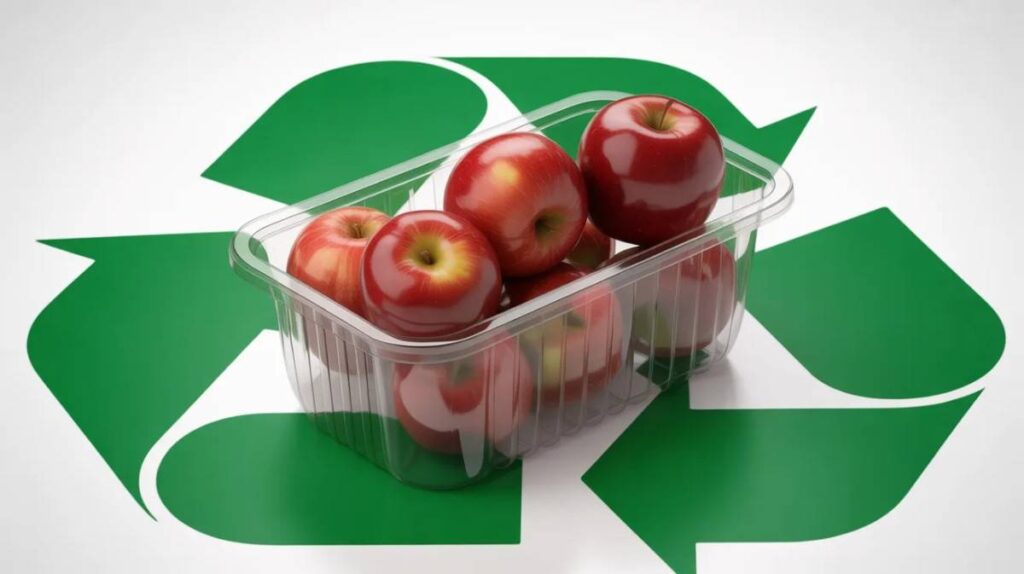
Fact 1: What Is a Plastic Apple Container?
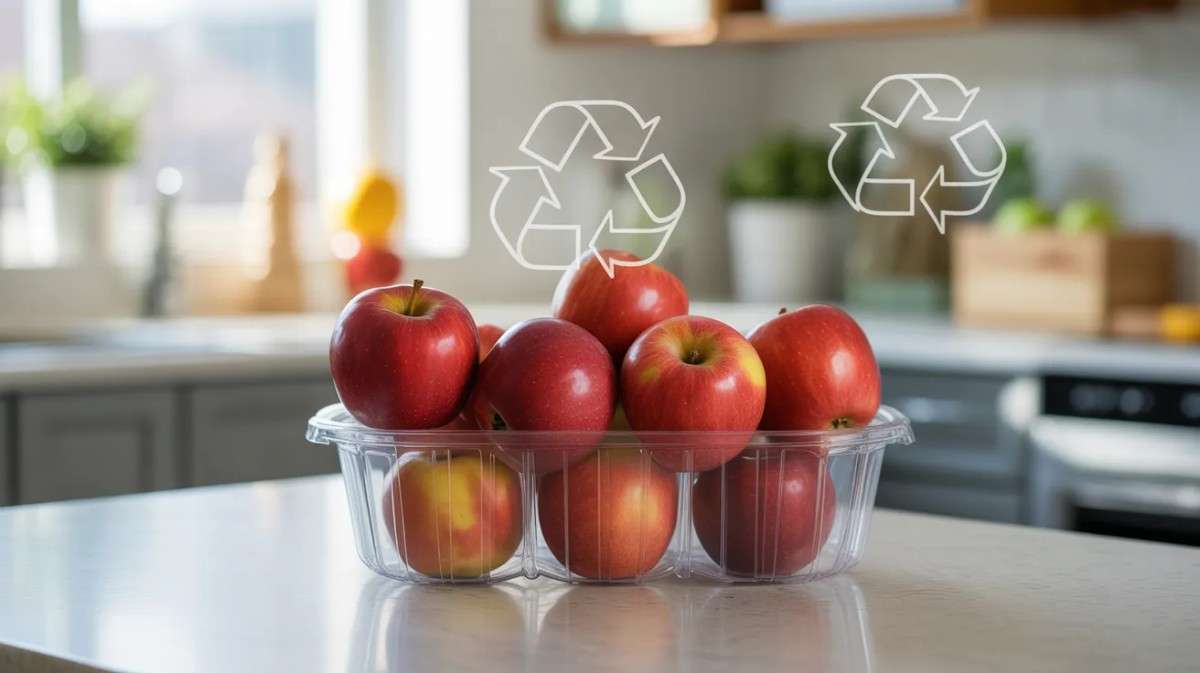
- A plastic apple container is a clear box designed to store apples safely.
- Also called a fruit clamshell container, most are made from PET #1 plastic, a widely recyclable material used in food packaging.
- Understanding how to recycle plastic apple containers helps reduce waste and supports better plastic waste management.
Fact 2: Are Plastic Apple Containers Recyclable?
- Many clear plastic apple containers are made from PET #1 plastic, so they can be recycled.
- Recycling acceptance depends on local rules—some centers focus only on bottles and may reject thin fruit clamshell containers.
- Always check local recycling guidelines before disposing of plastic fruit containers.
Fact 3: How to Identify Recyclable Containers
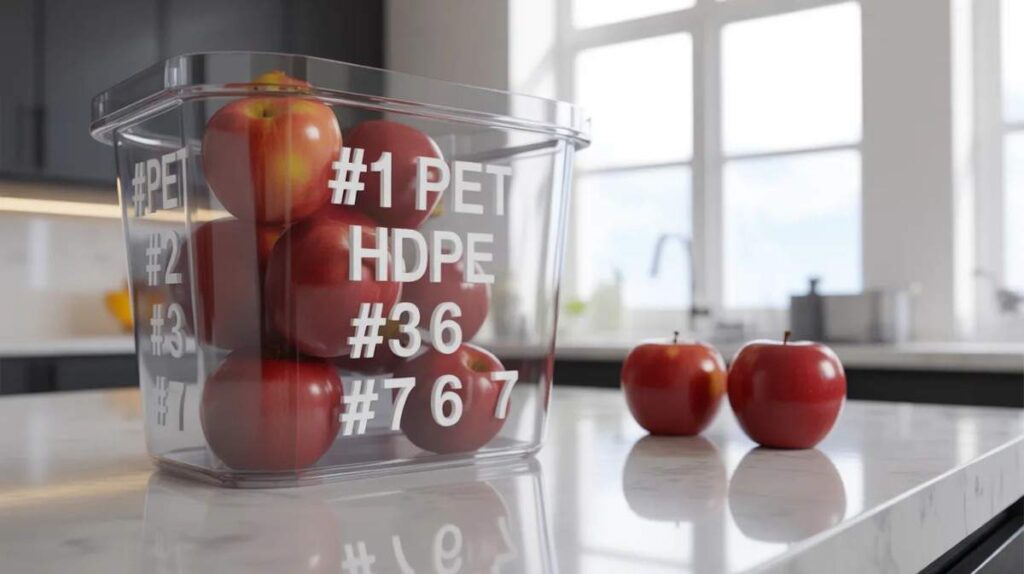
- Check the bottom of the container for a triangle recycling symbol
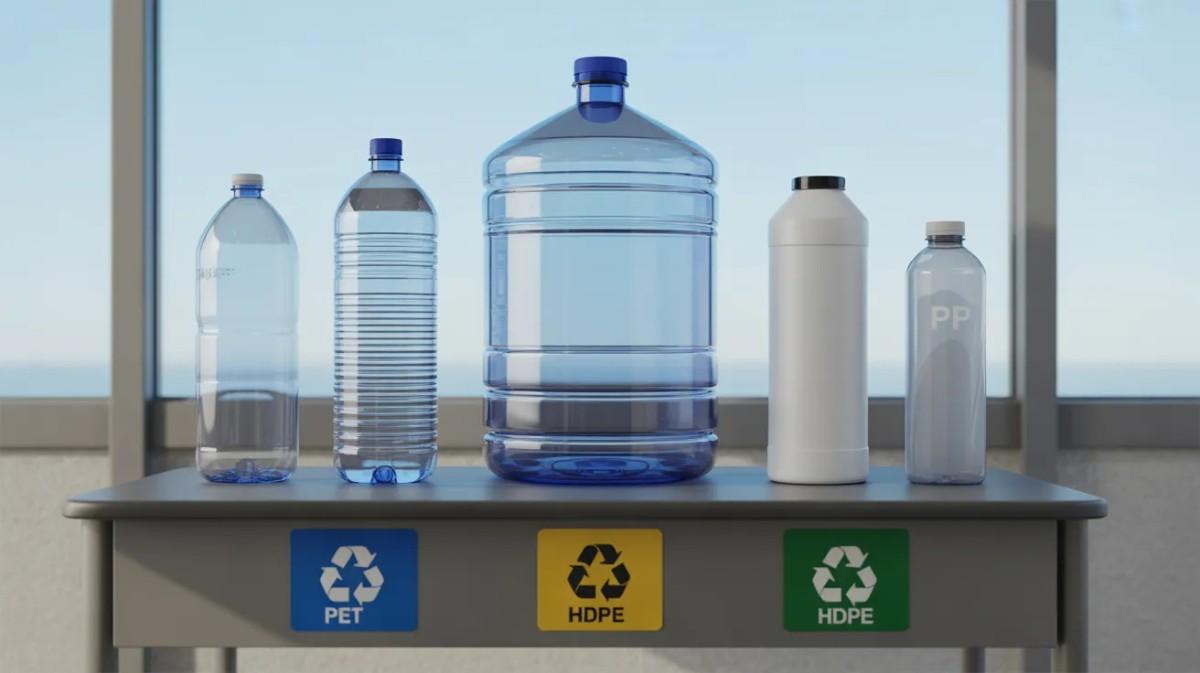
- #1 PET – widely recyclable
- #2 HDPE – recyclable
- #3, #6, #7 plastics – often not accepted
- Clear containers are easier to recycle, and this simple check improves plastic apple container recycling
Fact 4: How to Prepare for Plastic Apple Container Recycling
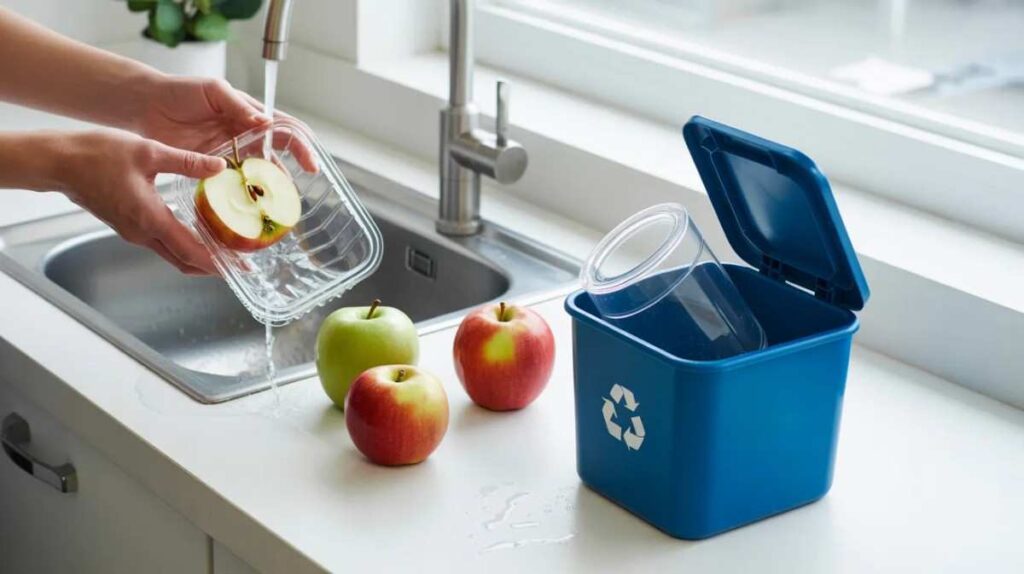
- Remove any leftover fruit pieces
- Rinse the container with water
- Remove labels or padding
- Dry the container completely
- Place it in the correct recycling bin
Following these steps makes recycling plastic food containers easier and helps prevent contamination.
Fact 5: Why Some Containers Are Not Accepted
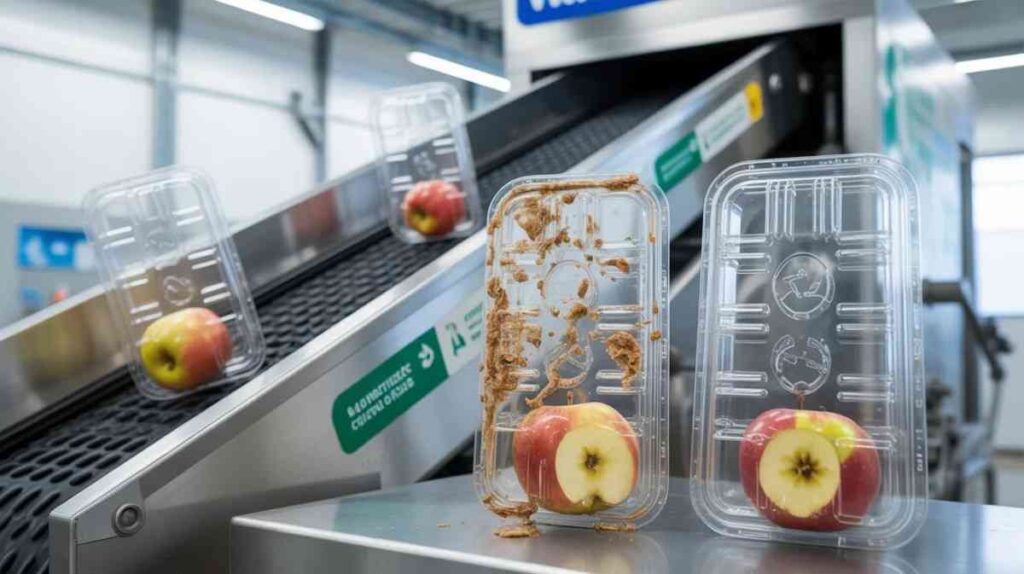
- Some recycling programs reject clamshell packaging even if the material is recyclable
- Thin and lightweight containers can cause problems
- Sorting machines are usually designed for bottles, not clamshells
- Food residue inside the container can contaminate recycling
Because of these factors, plastic apple container recycling can fail due to system limitations, not the material itself.
Fact 6: Reuse Before You Recycle
- Reusing containers is better than discarding them
- Store fruits or snacks in the containers
- Grow small plants or seeds
- Organize craft or office supplies
- Hold small household items
Reusing containers promotes eco-friendly packaging habits and helps reduce plastic waste.
Fact 7: Smart Habits for Better Recycling
- Choose loose apples when possible
- Reuse containers multiple times
- Recycle only clean and dry packaging
- Follow local recycling instructions
These habits improve plastic waste reduction and support the recovery of recyclable food packaging.
FAQ – Plastic Apple Container Recycling
Q1: Can plastic apple containers be recycled?
Yes, most are made from PET #1 plastic and can be recycled if clean and accepted by local programs.
Q2: Why are some fruit containers rejected by recycling bins?
Thin clamshell packaging can be difficult to sort, and containers with food residue may be rejected.
Q3: How can I check if my container is recyclable?
Look for the triangle recycling symbol and the number #1 PET on the bottom.
Q4: Should I wash containers before recycling?
Yes. Cleaning containers helps improve the quality of plastic apple container recycling.
Q5: Is reuse better than recycling?
Yes. Reusing containers reduces waste and supports sustainable plastic produce packaging use.
Conclusion
Knowing how to recycle plastic apple containers helps manage waste responsibly. Most containers are recyclable, but only if clean and accepted locally. Checking recycling symbols, washing containers, and reusing them first are simple steps that reduce plastic pollution and promote responsible recycling.