
LDPE Plastic Bags are lightweight, flexible, and durable, making them ideal for packaging, storage, and daily use while offering cost-effective performance.
Introduction
LDPE plastic bags, crafted from low-density polyethylene, are lightweight, flexible, and highly tear-resistant packaging solutions. They effectively protect contents from moisture, dust, and handling damage, making them perfect for retail, food storage, shipping, and industrial applications. Unlike rigid plastics, LDPE bags easily adapt to different sizes, thicknesses, and uses, providing both convenience and cost-efficiency.
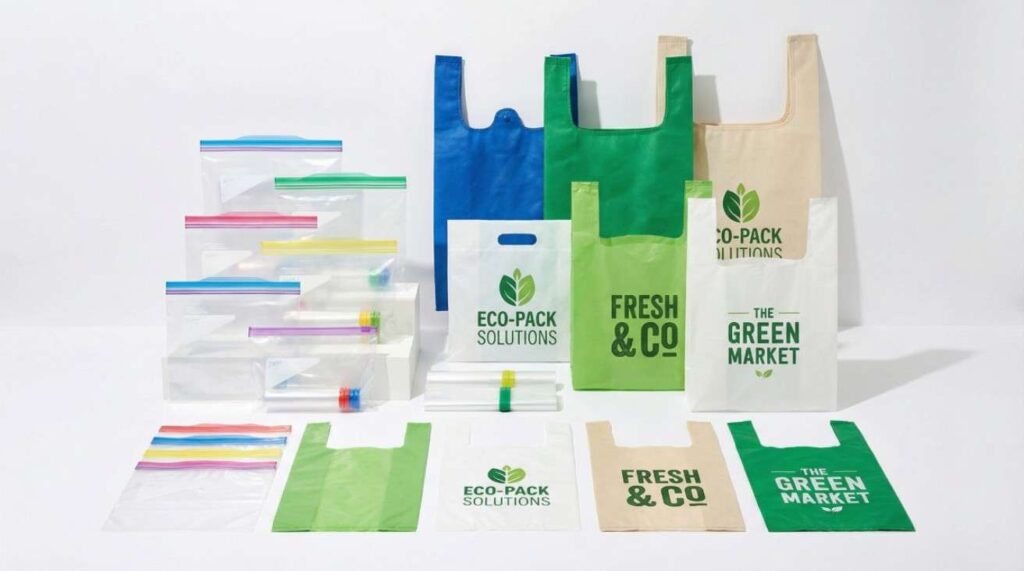
Uses and Advantages
| Category | Details |
|---|---|
| Product Type | LDPE plastic bags used across multiple industries |
| Retail Uses | Groceries, clothing, and consumer products |
| Food Applications | Baked goods, frozen items, and dry foods |
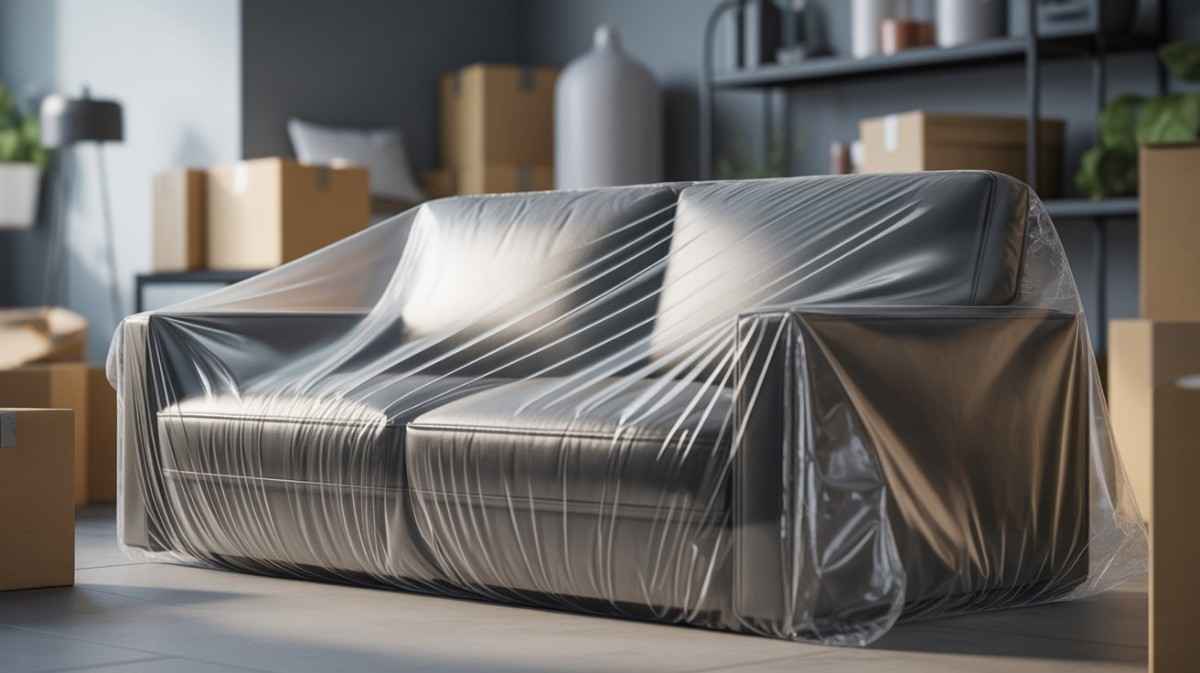
| Industrial Uses | Liners, dust covers, and agricultural wraps |
| Key Advantages | Flexibility, moisture resistance, chemical stability |
| Durability | Soft texture reduces punctures during transport |
| Cost Efficiency | Lightweight material lowers production and shipping costs |
| Eco Aspect | Recyclable (code #4) with reuse potential |
| Branding Option | Custom-printed bags for professional presentation |
Environmental Impact and Recycling
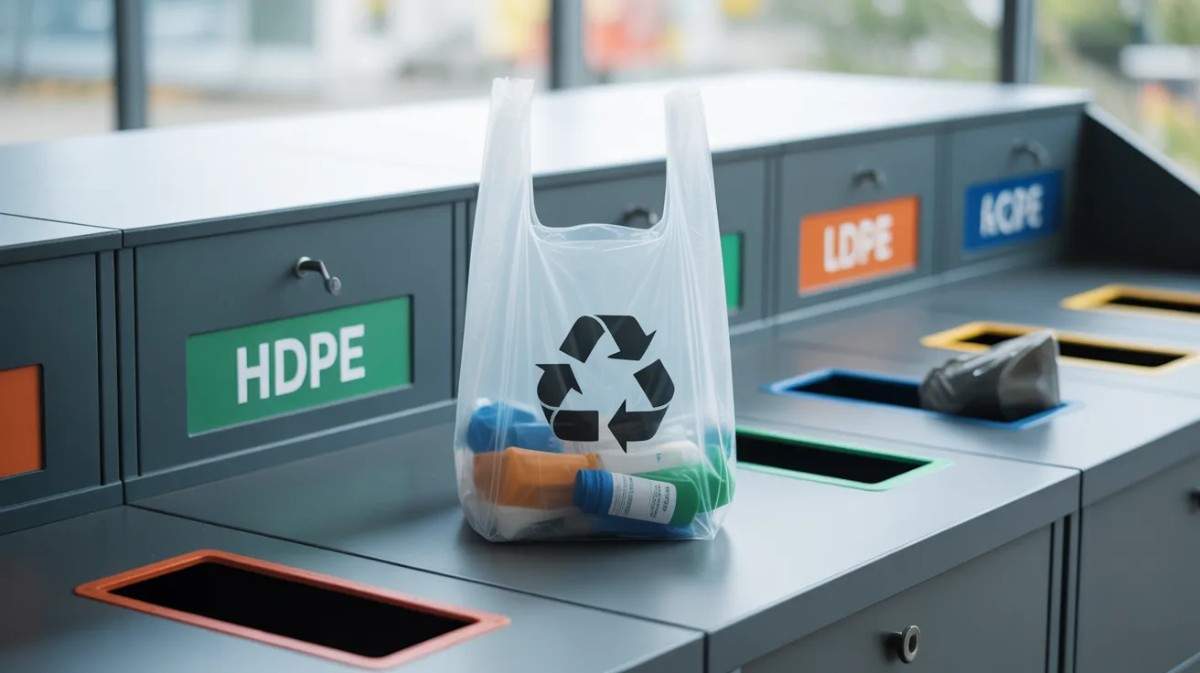
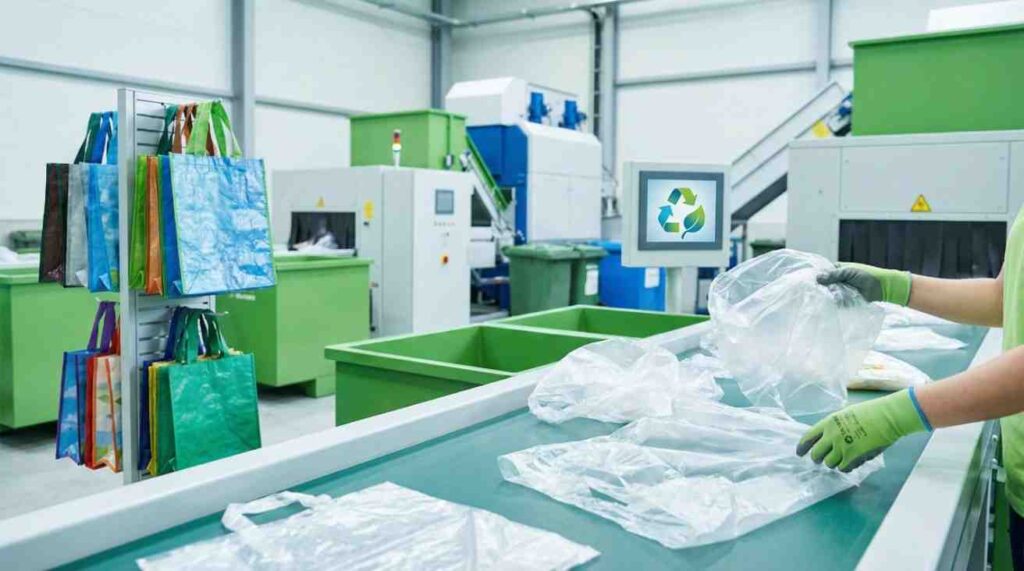
- LDPE plastic bags are not biodegradable but can be recycled at facilities that accept soft plastics.
- Proper disposal and recycling help reduce landfill waste and promote sustainable packaging practices.
- Reusing LDPE bags and choosing recycled LDPE options further minimize environmental impact.
- The moisture resistance, chemical stability, and durability of LDPE bags create environmental challenges if discarded improperly.
- Responsible use and correct recycling remain essential to reduce long-term harm.
Comparison: LDPE vs Other Plastic Bags
| Feature | LDPE Plastic Bags | Other Plastic Bags |
|---|---|---|
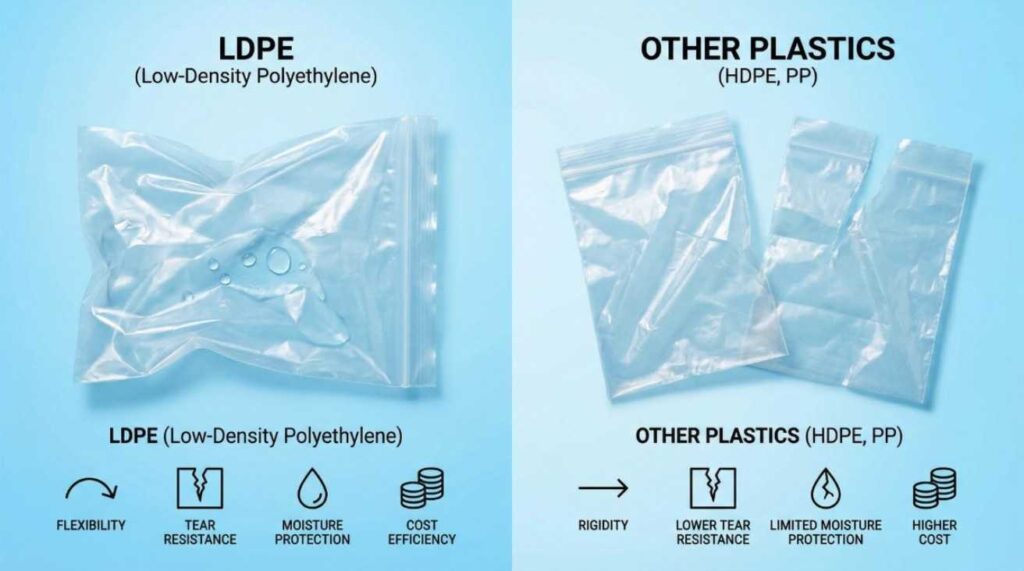
| Flexibility | Softer and highly flexible | Less flexible |
| Tear Resistance | Strong and tear-resistant | Varies by material |
| Moisture Protection | Excellent moisture barrier | Moderate protection |
| Durability | High durability for daily use | Depends on type |
| Suitability | Ideal for delicate items | Better for rigid loads |
| Cost Efficiency | Cost-effective and versatile | May be higher or limited |
Risks of LDPE Plastic Bags
While LDPE plastic bags are versatile and widely used, it’s important to know their potential risks.
1. Environmental Risks
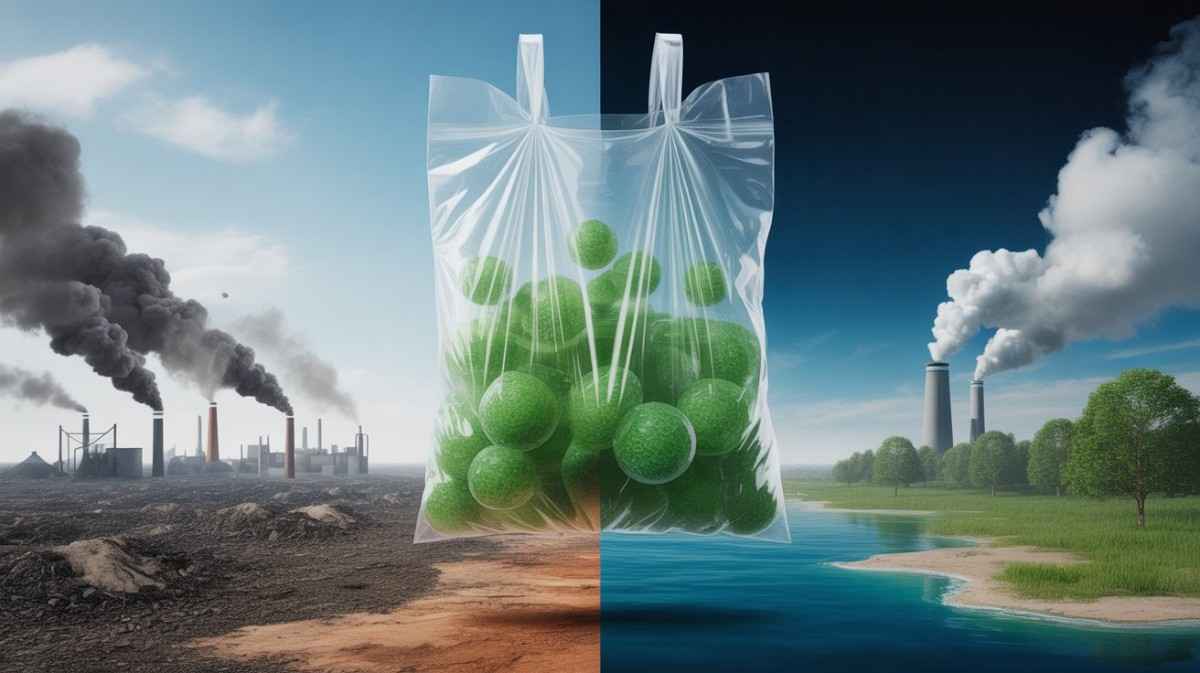
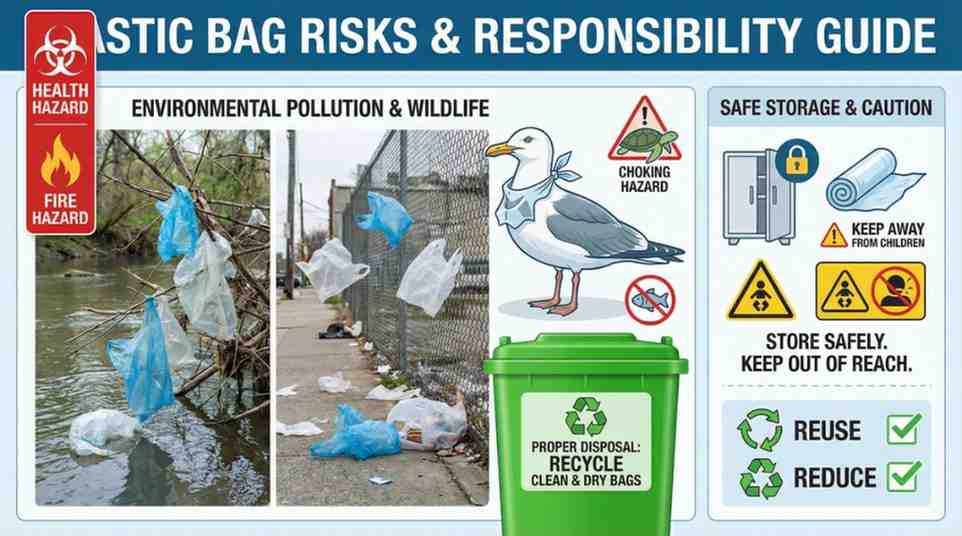
LDPE bags are non-biodegradable and can remain in landfills for hundreds of years. Improper disposal contributes to plastic pollution in oceans, rivers, and soil. Wildlife may mistake discarded bags for food, causing injury or death. These challenges emphasize responsible use, recycling, and reuse.
2. Health Risks
Although generally safe, LDPE bags can pose health risks if misused. High heat or prolonged storage may cause chemical leaching, especially from non-food-grade bags. Using food-grade LDPE bags ensures safe storage of dry, refrigerated, or frozen items.
3. Physical and Practical Risks
LDPE bags may present practical hazards. Small children can suffocate if left with loose bags. LDPE is flammable, so it should be kept away from open flames and high-heat areas. Proper handling and storage reduce these risks.
How to Reduce Risks
- Always use food-grade LDPE bags for consumables.
- Recycle or reuse LDPE bags to minimize environmental impact.
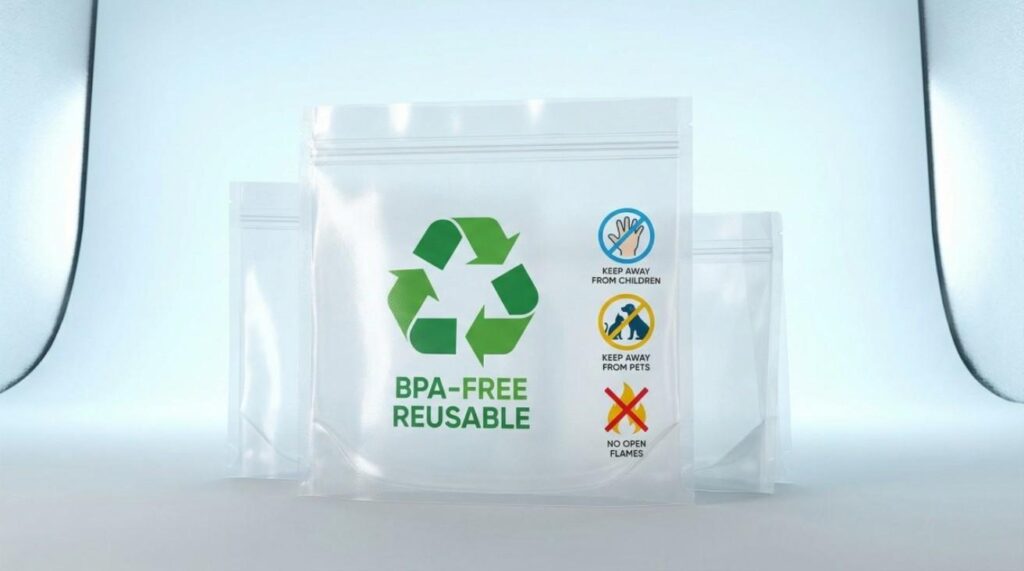
- Keep bags away from children, pets, and flames.
- Avoid prolonged exposure to heat or sunlight to prevent degradation.
With these precautions, LDPE plastic bags can be used safely and responsibly, retaining their convenience without harming health or the environment.
FAQs
Q1: Are LDPE plastic bags safe for food?
Yes. Food-grade LDPE bags are BPA-free and safe for dry, refrigerated, and frozen foods.
Q2: Can LDPE bags be recycled?
Yes, at facilities accepting soft plastics. Always follow local recycling rules.
Q3: Are LDPE bags biodegradable?
No. Reusing and recycling help reduce their environmental impact.
Q4: Why choose LDPE bags over other plastics?
They offer flexibility, moisture resistance, durability, and cost-effectiveness, making them ideal for retail, industrial, and household use.
Conclusion
LDPE plastic bags are durable, versatile, and practical packaging solutions. Their flexibility, moisture protection, and cost-efficiency suit retail, industrial, and household applications. Choosing reusable or recycled LDPE bags balances efficiency with environmental responsibility, making LDPE plastic bags a reliable and eco-conscious choice.