
Learn 7 powerful ways HEB plastic bag recycling reduces landfill waste, supports a circular economy, and turns soft plastics into new products.
HEB plastic bag recycling offers a simple way to recycle grocery bags, produce bags, and flexible plastic film. Drop-off bins at H-E-B stores and curbside pickup make it easy to recycle soft plastics responsibly, reducing landfill waste and supporting a circular economy.

HEB Plastic Bag Recycling: How It Works & Why It Matters
- Simple Drop-Off: Return grocery & produce bags at H-E-B bins.
- Curbside Option: Hand bundled bags to staff during pickup.
- Accepted Plastics: Soft film, bread bags, bubble wrap, mailers.
- Recycling Process: Cleaned, sorted, turned into new products.
- Minimizes plastic: waste in landfills and promotes a sustainable, circular use of materials.
- Sustainable Shopping: How2Recycle labels guide proper recycling.
How HEB Plastic Bag Recycling Works
| Step | What to Do | Details / Tips |
|---|---|---|
| 1. Gather Bags | Collect grocery bags, produce bags, bread bags, and soft plastic film. | Only include clean and dry plastics. Avoid rigid plastics or compostable bags. |
| 2. Bundle & Prepare | Bundle the plastic bags for easy handling. | Keeps the recycling process efficient and prevents contamination. |
| 3. Store Drop-Off | Place the bundles in HEB plastic bag recycling bins at the store entrance. | Most stores have clearly marked bins near entrances or parking areas. |
| 4. Curbside Option | For curbside shoppers, hand the bundled bags directly to H-E-B staff during grocery loading. | Ensures plastics are clean and separated for recycling. |
| 5. Recycling Process | Bags are transported to facilities, cleaned, sorted, and converted into pellets. | Pellets are used to make products like recycled trash bags, composite lumber, and packaging materials. |
| 6. Environmental Benefit | Supports a circular economy and reduces landfill waste. | Participating in HEB plastic bag recycling helps conserve resources and prevent pollution. |
What Types of Plastic Does HEB Accept?
HEB plastic bag recycling is designed for soft, flexible plastics that curbside programs usually reject. Participating in this program ensures that your plastic waste is properly recycled and contributes to a circular economy.
Accepted Items:
- Plastic grocery bags from any retailer
- Produce and bread bags
- Plastic overwrap from packaged goods
- Bubble wrap and plastic mailers
- Polyethylene film (LDPE & HDPE)
- Zip-lock bags and air pillows (must be clean and dry)
Not Accepted:
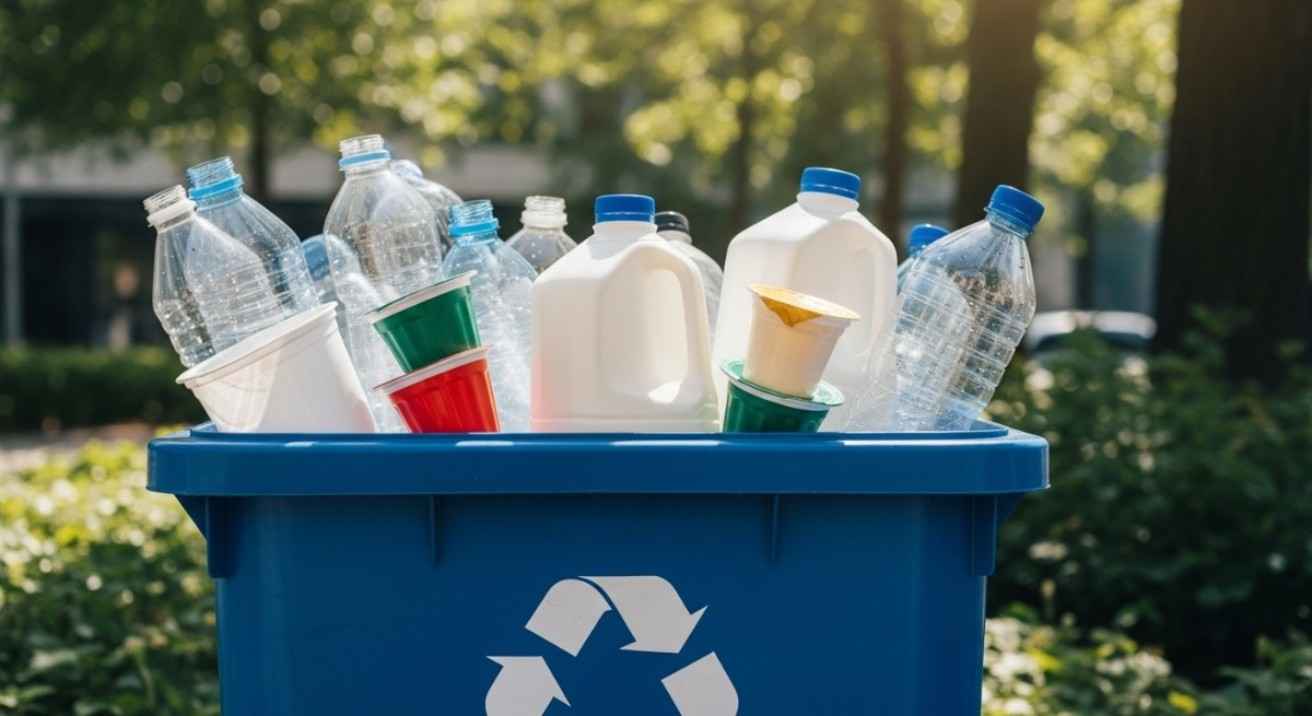
- Rigid plastics such as bottles and containers
- Frozen food packaging
- Compostable or biodegradable bags
- Pet food bags
Important: Using contaminated or non-approved plastics can disrupt the recycling process. Always follow How2Recycle guidelines to ensure your soft plastics are properly processed through HEB plastic bag recycling.

Why Recycling Plastic Bags at HEB Matters
1. Protects the Environment
- Flexible plastics like grocery and produce bags cannot be processed in most curbside recycling systems.
- HEB plastic bag recycling prevents these items from ending up in landfills or waterways.
2. Supports a Circular Economy
- Collected plastics are cleaned, sorted, and converted into new products like recycled trash bags and composite materials.
- Participating in HEB plastic bag recycling helps reduce demand for virgin plastic.
3. Reduces Contamination in Recycling Systems
- Soft plastics can jam sorting machines and contaminate recyclables if placed in curbside bins.
- Using H-E-B bins ensures plastics are properly processed and efficiently recycled.
4. Encourages Sustainable Shopping Habits
- How2Recycle labels on H-E-B products guide customers to recycle properly and separate soft plastics.
- Regular participation promotes responsible plastic use and waste reduction.
5. Community & Environmental Impact
- Every bag recycled through HEB plastic bag recycling reduces landfill waste and protects local ecosystems.
- The program aligns with H-E-B’s sustainability initiatives and community environmental efforts.

FAQs:
Q1: What plastics can I recycle at HEB?
Only clean, dry soft plastics like grocery bags, produce bags, bread bags, bubble wrap, and polyethylene film.
Q2: Why not curbside?
Soft plastics jam recycling machines and contaminate recyclables. HEB plastic bag recycling is the safe alternative.
Q3: Do all stores have bins?
Yes, most have clearly marked bins at entrances. Curbside shoppers can hand bundles to staff.
Q4: Can I bring bags from other stores?
Yes, any retailer’s soft plastics are accepted, as long as they’re clean and dry.
Q5: What happens after drop-off?
Plastics are cleaned, sorted, and processed into recycled pellets for products like trash bags and composite materials.
Q6: Are zip-lock bags and air pillows accepted?
Yes, if clean and dry. Remove labels or adhesives when possible.
Q7: Why participate?
Every bag recycled reduces landfill waste, prevents pollution, and supports a circular economy.
Conclusion:
HEB plastic bag recycling makes it easy to recycle soft plastics like grocery bags, produce bags, and plastic film. Dropping off clean, bundled bags at H-E-B bins or handing them to curbside staff reduces landfill waste and supports a circular economy.
Recycled plastics are transformed into products like trash bags and composite materials, preventing pollution and promoting sustainable shopping habits. Every bag recycled through HEB helps conserve resources and protect the environment.