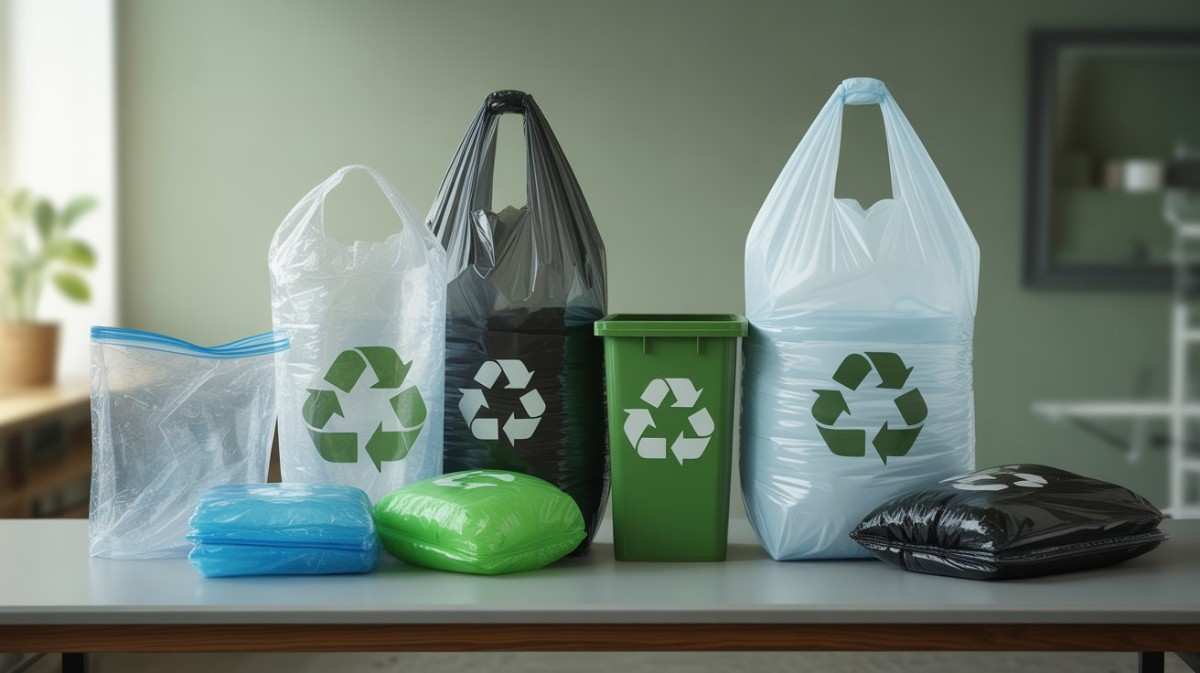

Garbage Plastic Bag Size depends on bin capacity and waste volume. Use the right size to prevent leaks, reduce waste, and improve daily trash management.
Choosing the right garbage plastic bag size is crucial for efficient waste management. A correctly sized garbage plastic bag prevents leaks, overflows, and spills, making trash disposal safer, cleaner, and more convenient. This guide highlights standard garbage plastic bag sizes, measurement tips, material options, and expert recommendations for home, office, and outdoor use. Selecting the proper garbage plastic bag size ensures durability, hygiene, and hassle-free waste handling.
Standard Garbage Plastic Bag Sizes
| Garbage Plastic Bag Size | Dimensions | Capacity | Best For |
|---|---|---|---|
| Small | 16” × 26” | 30 L / 8 gallons | Bathroom bins, office bins |
| Medium | 22” × 33” | 60 L / 16 gallons | Kitchen bins |
| Large | 29” × 35” | 90 L / 24 gallons | Large kitchen bins, office bins |
| Extra-Large / Wheeled | 38” × 45” or 50” × 60” | 120+ L / 32+ gallons | Outdoor waste, yard debris, heavy-duty cleanups |
Note: Choosing the correct garbage plastic bag size ensures a secure fit, prevents tearing, and keeps waste contained, making disposal cleaner and more efficient.

How to Measure Your Bin for the Perfect Fit
Measure Width or Circumference: For round bins, measure the width or circumference first.
Measure Height: Determine the height of the bin for accurate sizing.
Add Overhang: Add 3–4 inches to ensure the bag fully covers the bin and fits properly.
Compare to Size Chart: Match your measurements with a standard garbage plastic bag size to select the correct fit.
Use Guides for Accuracy: A bin liner guide or trash bag sizing calculator helps, especially for recycling bins, outdoor bins, and commercial containers.
Prevent Problems: Proper measurement prevents slipping, overfilling, and spills, ensuring cleaner and safer waste disposal.

Choosing the Right Material and Thickness
| Bag Material | Thickness / Strength | Best For |
|---|---|---|
| HDPE | Thin, lightweight | Light household waste |
| LDPE | Flexible, tear-resistant | Kitchen bins, office bins |
| Heavy-Duty | Thick, strong | Yard waste, construction debris, large commercial bins |
| Biodegradable / Compostable | Varies, eco-friendly | Eco-conscious disposal without compromising durability |
Note: Choosing the right bag material and thickness ensures safer, cleaner, and more efficient waste management.

Tips for Perfect Garbage Bag Selection
- Measure Your Bin: Always measure to choose the correct garbage plastic bag size.
- Allow Extra Space: Pick a slightly larger bag if unsure to prevent overflows.
- Match Bag Thickness: Select thickness according to waste type—kitchen scraps, office trash, or yard debris.
- Choose Eco-Friendly Options: Biodegradable or compostable bags ensure responsible, sustainable disposal.
- Ensure Proper Fit: The right bag prevents spills, keeps waste contained, and simplifies disposal.
- Use Size Guides: Trash bag size charts or bin liner guides help achieve a perfect fit for home, office, or commercial bins.

FAQs — Garbage Plastic Bag Size
Q1: What size garbage bag fits a standard kitchen bin?
A1: Medium bags, 22” × 33” (60 L / 16 gallons), fit most kitchen bins perfectly.
Q2: How do I measure my bin for the correct bag?
A2: Measure the width or circumference and height, then add 3–4 inches for overhang. Use a garbage bag size chart to select the right fit.
Q3: Can I use the same bag indoors and outdoors?
A3: Not always. Outdoor bins often need larger, heavy-duty bags for higher volume and heavier waste.
Q4: Are biodegradable garbage bags available in standard sizes?
A4: Yes, small, medium, and large biodegradable bags are available, suitable for various bins while providing eco-friendly disposal.
Conclusion
Choosing the right garbage plastic bag size ensures efficient, clean, and safe waste management. Always measure your bin, pick the proper size, and match bag thickness to the type of waste. For home, office, or outdoor use, the correct bag prevents spills, saves time, and simplifies disposal. Following these guidelines keeps your space organized, hygienic, and environmentally responsible.