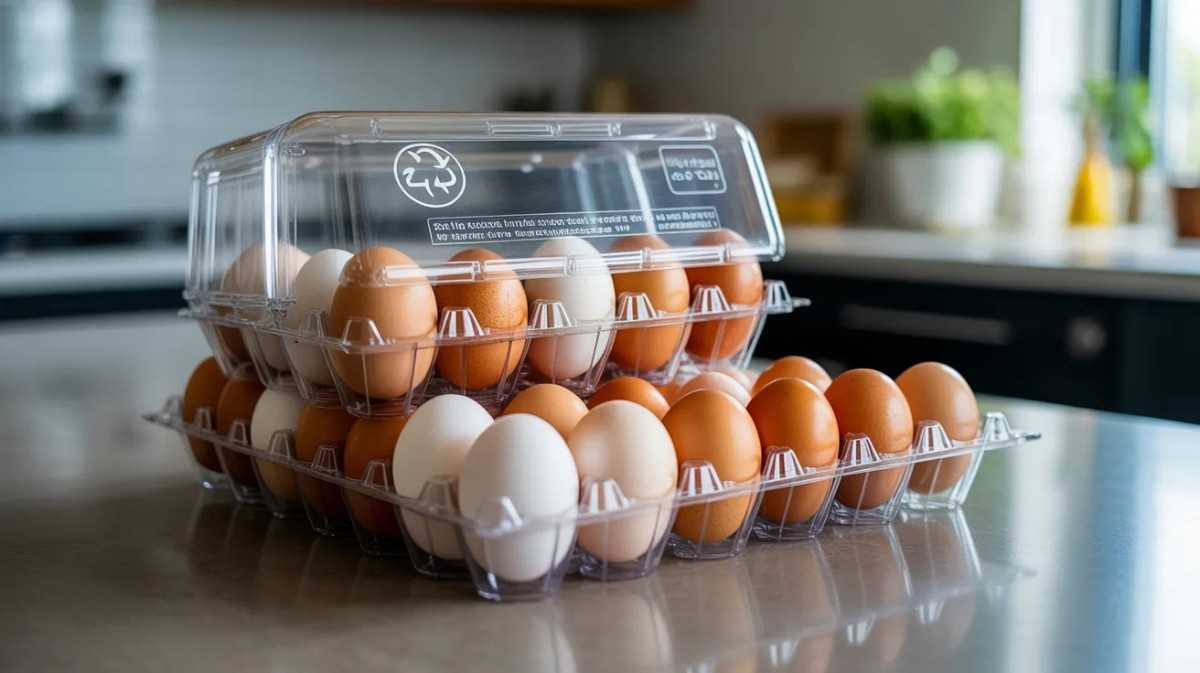
Egg Plastic Container is recyclable if made from PET or HDPE. Clean or reuse it for safe egg storage and eco-friendly packaging.
What Is an Egg Plastic Container?
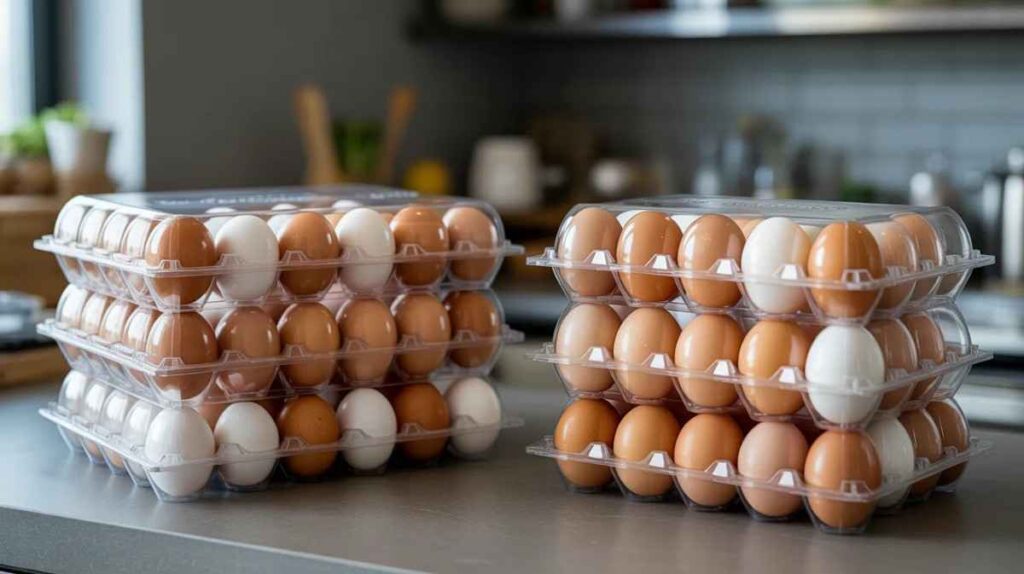
An egg plastic container is a specially designed box for storing and protecting eggs during transport and storage. Key features include:
- Protection: Prevents eggs from breaking and keeps them clean.
- Versatility: Suitable for both household use and commercial purposes.
- Visibility: Clear plastic cartons let customers inspect eggs without opening the package, reducing contamination and cracks.
- Material Options:
- Reusable containers: Made from durable polypropylene (PP), ideal for repeated use.
- Disposable trays: Lightweight and commonly used for short-term transport or retail packaging.
- Durability: More resistant to moisture and damage compared to paper or foam cartons.
- Compatibility: Works well with automated egg grading and packing systems, making it essential for modern egg packaging solutions.
Can an Egg Plastic Container Be Recycled?
Egg plastic containers may be recyclable, but it depends on the material, cleanliness, and local recycling rules.
Material Determines Recycling
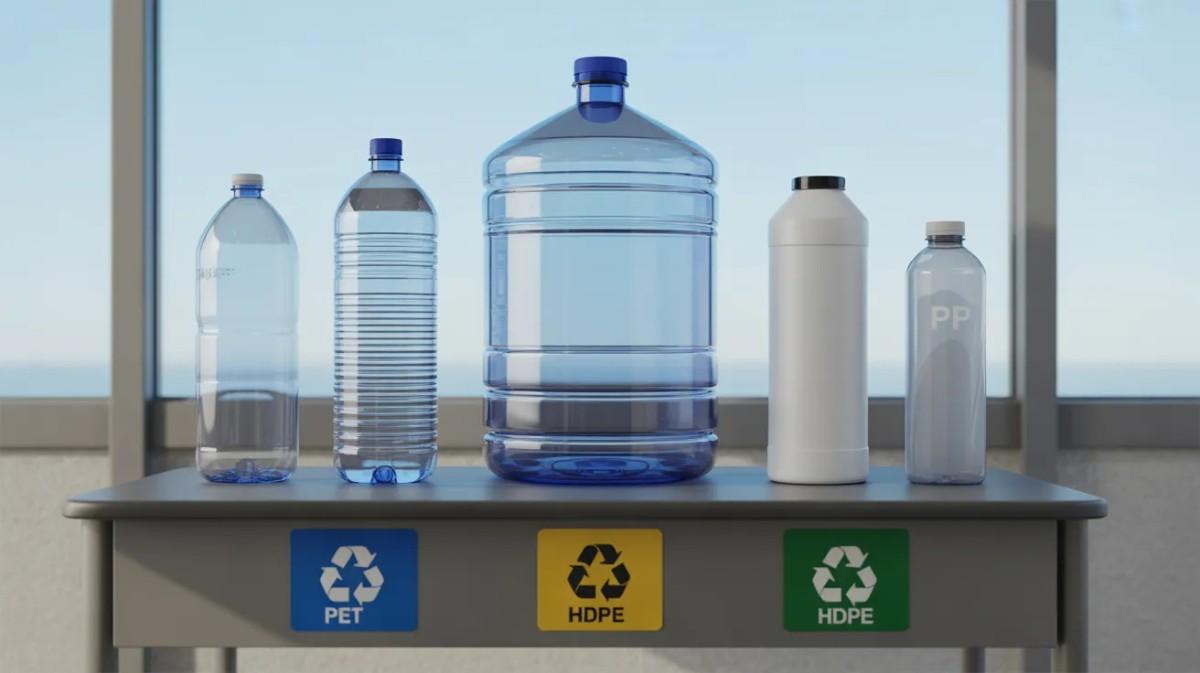
- Most containers are made from PET or HDPE, widely accepted in recycling programs.
- Clear plastic cartons are easier to recycle than black or colored ones.
- Using recyclable egg plastic cartons ensures safety and environmental responsibility.
Cleanliness Is Crucial
- Always rinse and dry containers before recycling.
- Dirt or egg residue can contaminate recycling batches and send plastic to landfill.
- Clean egg trays are more likely to be successfully recycled.
Local Recycling Facilities Matter
- Local rules affect recycling; some facilities accept only bottles or rigid plastics.
- Certain food-grade egg cartons may not be accepted.
- Check your area’s recycling regulations to dispose of egg plastic packaging responsibly.
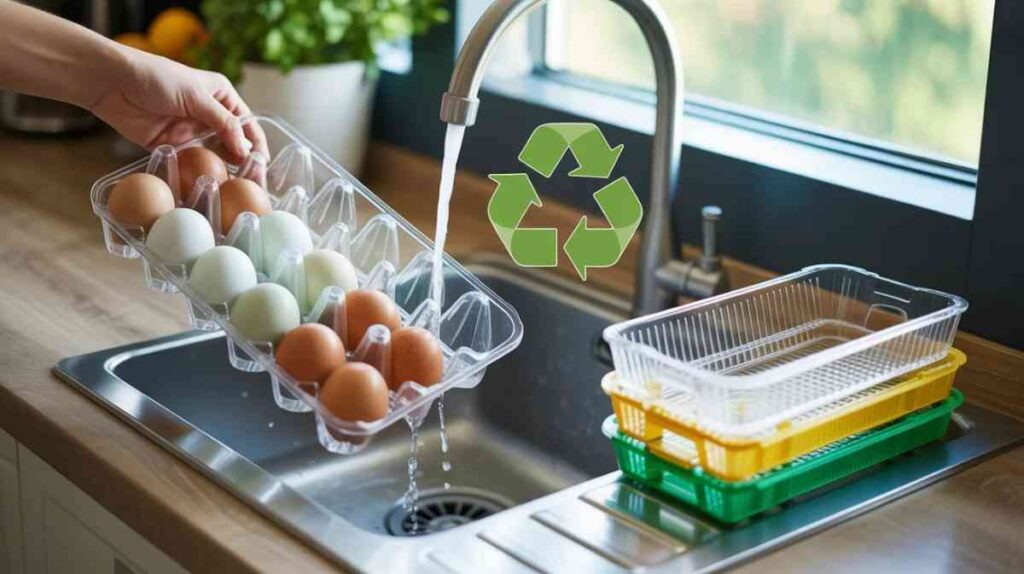
Reusable vs Disposable Egg Plastic Container
| Feature / Type | Reusable Egg Plastic Containers | Disposable Egg Plastic Containers |
|---|---|---|
| Durability | Strong and durable, designed for multiple uses | Lightweight, for short-term use |
| Preferred by | Farms and distributors | Retail displays |
| Environmental Impact | Reduces single-use packaging and plastic waste | Can increase environmental impact if not recycled properly |
| Egg Safety | Keeps eggs safe during storage and transport | Tamper-resistant, visually appealing |
| Sustainability | Supports sustainable egg packaging practices | Eco-friendly or recyclable versions can help reduce waste |
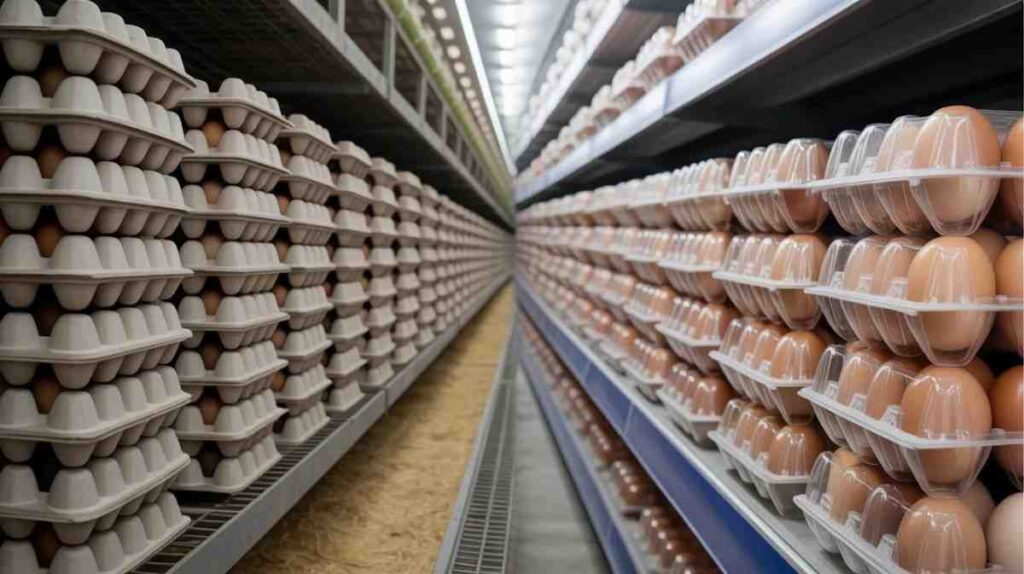
Best Practices for Recycling Egg Plastic Containers
Recycling egg plastic containers effectively involves reuse, proper handling, and smart packaging choices.
Reuse Before Recycling
- Reuse containers for fridge storage, household organization, or bulk transport.
- Helps reduce overall plastic waste before recycling.
Proper Recycling Steps
- Clean containers made from PET or HDPE can be placed in recycling bins.
- Avoid recycling mixed-material or soiled trays, as they are often rejected.
- Follow local recycling guidelines to ensure correct processing of plastic egg cartons.
Choose Simple and Clear Packaging
- Single-material and transparent containers are easier to recycle.
- Avoid black or combined-material plastics.
- Clear recycling codes and labels increase acceptance by local facilities.
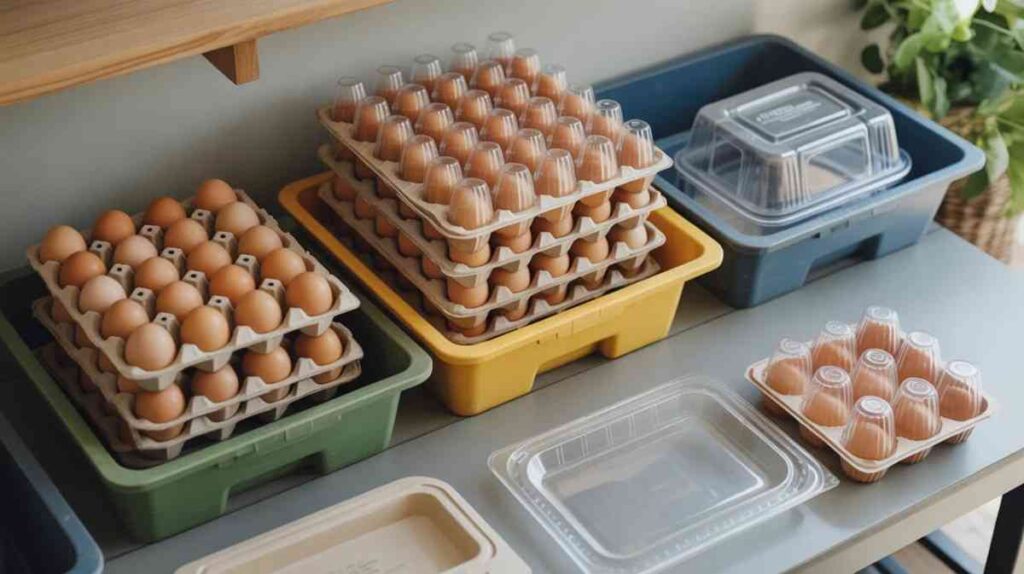
FAQ – Egg Plastic Container Recycling
1. Can an egg plastic container be recycled?
- Yes. Most containers made from PET or HDPE are recyclable if clean.
2. How do I know if my container is recyclable?
- Look for the recycling symbol.
- Clear plastic egg cartons with PET or HDPE codes are usually accepted by local facilities.
3. Should I clean the container before recycling?
- Yes. Rinse and dry the container to prevent contamination and improve recycling success.
4. Are reusable egg plastic containers better?
- Yes. Reusable containers reduce single-use plastic waste and support eco-friendly egg packaging.
5. Can it be used for fridge storage?
- Yes. A plastic egg container keeps eggs organized, prevents cracks, and avoids odor absorption.
6. Are all plastic egg cartons recyclable everywhere?
- No. Recycling depends on local facilities.
- PET and HDPE containers are widely accepted, but some colors or mixed materials may be rejected.
7. What is the most sustainable way to use it?
- Reuse first, recycle later.
- Use the container for storage or transport until it can be recycled properly.
Final Verdict – Egg Plastic Container Recycling
Egg plastic containers can be recycled, but success depends on material, cleanliness, and local recycling rules.
- Material matters: Clear PET and HDPE containers are usually recyclable.
- Cleanliness counts: Rinsing and drying containers before recycling increases acceptance.
- Reusable is better: Reusable egg plastic containers help reduce plastic waste and environmental impact.
- Responsible use: Reuse and proper recycling keeps eggs safe, hygienic, and organized.
- Smart packaging choice: Selecting simple, recyclable designs ensures egg packaging supports a sustainable cycle.