
No, Are Plastic Trash Bags Recyclable? Only in rare cases. Discover why most aren’t accepted, safe disposal methods, and eco-friendly alternatives.
Are Plastic Trash Bags Recyclable?
Are plastic trash bags recyclable? The short answer is no for curbside programs, since LDPE and HDPE film plastics often clog machines and arrive contaminated with waste. Yet, some clean bags can be accepted at store drop-off bins. This guide reveals why most trash bags fail recycling, which types qualify, where to take them, and 7 powerful alternatives to cut plastic waste and protect the environment.

What Are Plastic Trash Bags Made Of?
| Type of Bag / Material | Resin Code | Features | Recyclability |
|---|---|---|---|
| LDPE (Low-Density Polyethylene) | #4 | Very flexible, lightweight, often used for kitchen trash bags | Technically recyclable if clean, but almost never accepted in curbside recycling |
| HDPE (High-Density Polyethylene) | #2 | Strong and durable, common in heavy-duty trash bags | Sometimes recyclable at plastic film drop-off bins, but only if uncontaminated |
| Mixed Plastics / Colored Bags | Varies | Often black or tinted, may include recycled content | Hard to recycle because of dyes and additives |
| Heavy-Duty Contractor Bags | #2 / multi-layer | Extra thick, tear-resistant, used for construction or yard waste | Rarely recyclable, high risk of contamination |
Serious Dangers of Using Plastic Trash Bags
| Danger | Impact on Environment & Health |
|---|---|
| Long Decomposition in Landfills | Plastic trash bags take hundreds of years to break down, releasing microplastics into soil and water. |
| Toxic Chemicals & Dyes | Many bags contain harmful additives that pollute ecosystems and threaten human health. |
| Clogged Drainage Systems | Thin plastic film often blocks drains, leading to urban flooding and sanitation issues. |
| Marine Life Threat | Animals mistake bags for food, causing injury, suffocation, or death in marine ecosystems. |
| Non-Recyclable Nature | Unlike other plastics, trash bags are rarely recyclable, which increases long-term pollution. |
Why Most Trash Bags Aren’t Recyclable
Most people wonder why trash bags can’t go into normal recycling bins. The truth is that plastic trash bags create big problems for recycling centers. Here are the main reasons:
- Contamination from Garbage – Once trash bags are filled with food scraps, liquids, and waste, they become too dirty for recycling. Contamination makes it impossible to reuse the plastic.
- Plastic Film Issues – Trash bags are made from thin plastic film (LDPE or HDPE) which easily tangles recycling machines, causing breakdowns and delays.
- Chemical Additives – Black trash bags often contain dyes, mixed plastics, or chemicals, making them hard to separate during the recycling process.
- Curbside Recycling Restrictions – Most recycling programs do not accept trash bags to protect equipment and avoid contamination.
- Limited Recycling Options – Only unused, clean trash bags might be recycled at store drop-off bins, but used ones are almost never accepted.

Where Can Plastic Trash Bags Be Recycled?
Even though curbside programs don’t take them, there are a few other ways to recycle certain types of plastic trash bags. The key is that they must be clean, empty, and dry before drop-off.
| Recycling Option | How It Works | Limitations |
|---|---|---|
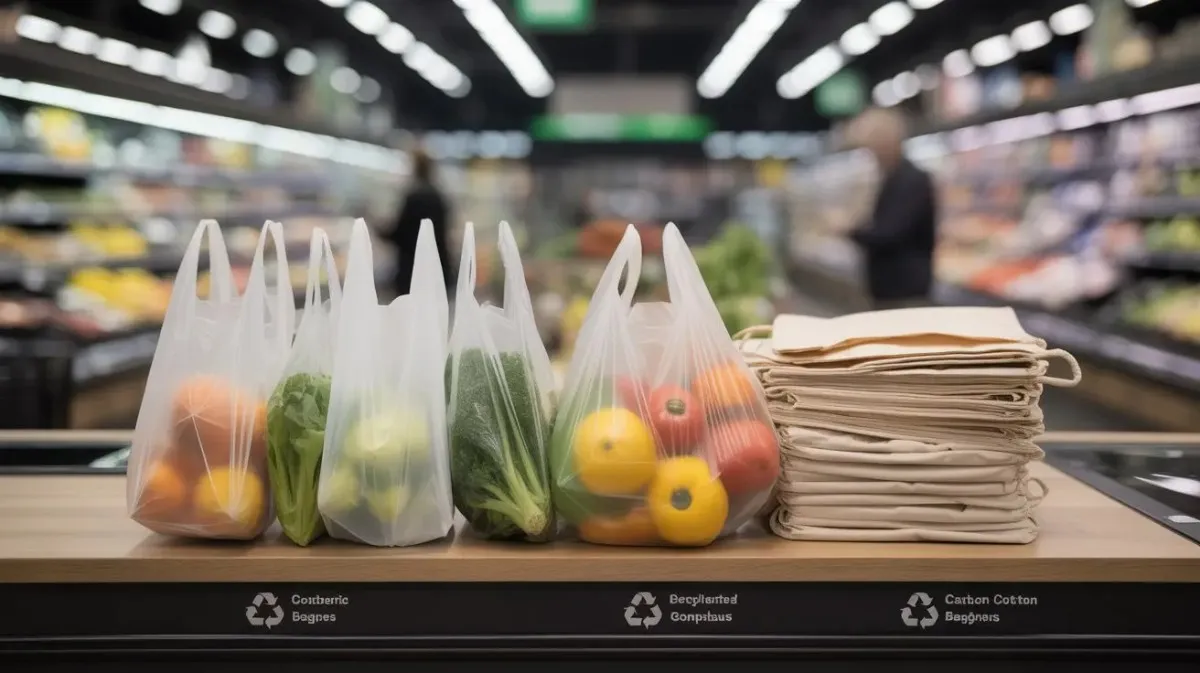
| Store Drop-Off Bins | Many grocery and retail stores have bins for plastic film recycling (LDPE & HDPE). | Only unused or clean bags accepted — no dirty trash bags. |
| Plastic Film Recycling Centers | Specialized facilities accept plastic films like grocery bags and packaging wrap. | Availability is limited; not common in every city. |
| Mail-in Recycling Programs | Some companies offer mail-back recycling services for clean bags. | Often has a cost and limited capacity. |
| Reuse Before Disposal | Use trash bags more than once (for dry waste, storage, or lining bins) to reduce plastic waste. | Doesn’t solve recycling but lowers plastic pollution. |
Eco-Friendly Alternatives to Plastic Trash Bags
Since most plastic trash bags are not recyclable, choosing better options can help reduce plastic waste and protect the environment. Here are the best eco-friendly alternatives:
- Compostable Trash Bags – Made from plant-based materials like cornstarch or potato starch, these bags break down naturally in industrial composting facilities instead of sitting in landfills.
- Biodegradable Trash Bags – These are designed to decompose faster than regular plastic, offering a greener option for households. However, they still need the right conditions to fully break down.
- Reusable Garbage Liners – Washable cloth or fabric liners can replace single-use bags and cut down plastic pollution in a big way.
- Paper Bags for Dry Waste – Strong paper bags are useful for yard waste, dry trash, and recyclable paper scraps, reducing dependence on plastic.
- Skip the Bag Method – For small bins, put waste directly in the bin and wash it regularly. This method completely avoids plastic trash bags.

How to Reduce Plastic Waste at Home
Reducing plastic waste at home is one of the simplest ways to protect the planet and support sustainable living. Here are some practical steps:
- Use Reusable Bags – Carry cloth or jute bags when shopping instead of relying on single-use plastic bags.
- Choose Refillable Containers – Buy products in bulk or refillable packaging to reduce unnecessary plastic packaging waste.
- Switch to Reusable Bottles and Cups – Use stainless steel or glass bottles and coffee mugs instead of disposable plastic.
- Recycle Smartly – Follow your local recycling guidelines and make sure containers are clean and dry before recycling.
- Avoid Plastic Trash Bags When Possible – Use eco-friendly alternatives like compostable bags, paper bags, or reusable liners for waste collection.
- Compost Food Waste – Divert kitchen scraps into a compost bin instead of plastic trash bags, reducing landfill waste.
- Limit Single-Use Plastics – Say no to plastic straws, cutlery, and plates, and opt for biodegradable or reusable options.

FAQs
1. Are plastic trash bags recyclable?
No, plastic trash bags are not recyclable in curbside bins. They are usually contaminated and clog sorting machines. Only unused or clean plastic film bags may be recycled at store drop-off bins.
2. Why can’t dirty trash bags be recycled?
Because food waste, liquids, and dirt contaminate the plastic film, making it impossible for recycling facilities to process them.
3. Can biodegradable or compostable trash bags be recycled?
No, biodegradable and compostable bags are designed to break down, not to be recycled with traditional plastics. They should be composted where facilities exist.
4. Are clear trash bags easier to recycle?
Yes, clear bags are easier to identify but still face the same recycling issues if they’re dirty or full of waste.
5. What’s the best eco-friendly alternative?
Use compostable bags, reusable liners, or paper bags where possible. Cutting down overall plastic use is the most sustainable solution.
Conclusion
So, are plastic trash bags recyclable? The harsh truth is no—once used, they’re usually contaminated and rejected by recycling programs. Even though materials like LDPE and HDPE are technically recyclable, their real-world recycling is almost impossible.
The good news? Switching to eco-friendly alternatives like compostable bags, reusable liners, and paper options can cut plastic waste drastically. Every small step matters—and your choices can drive a cleaner, greener future.