

Can roaches eat through plastic? No. Roaches can’t digest plastic, but they chew thin plastic to reach food. Discover which plastics stop them for good.
Can Roaches Eat Through Plastic?
Technically, roaches cannot digest plastic, but they can gnaw through thin packaging like grocery bags, sandwich wraps, or bread bags to reach food or trapped odors. Thick containers, such as HDPE bins or Tupperware, are generally safe. The main risk is contamination, not consumption, so proper storage and cleanliness are essential.
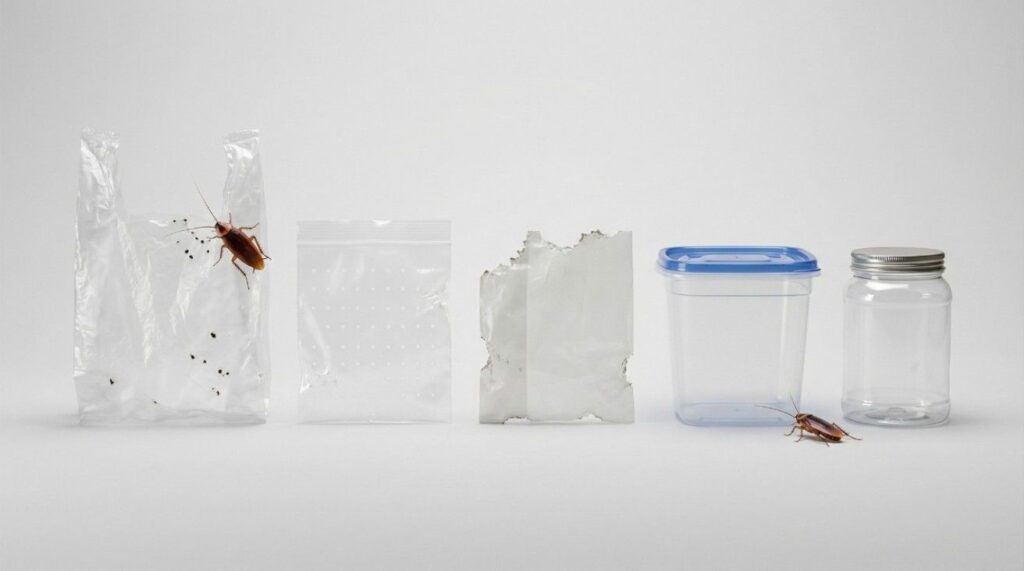
Plastic Vulnerability Index: How Roaches Interact with Different Plastics
| Plastic Type | Vulnerability Score (1–10) | Reason / Notes |
|---|---|---|
| Thin Grocery Bags (LDPE) | 9 | Easy to puncture, high odor retention, highly attractive to roaches. This shows why some ask: can roaches eat through plastic. |
| Bread Wraps / Sandwich Bags | 7 | Flexible, slightly thicker, can be gnawed if food odors are strong. |
| Biodegradable Plastics | 6 | Softer structure makes them moderately vulnerable; proper sealing is needed. |
| Rigid Containers (HDPE / Tupperware) | 2 | Thick, durable, resist cockroach chewing, ideal for pantry storage. |
| PET Bottles / Jars | 1 | Very resistant, almost impervious to roach gnawing, safe for liquids and dry foods. |
Why Roaches Gnaw on Plastic
- Roaches do not eat plastic – They gnaw mainly to reach food inside packaging. This raises the common question: can roaches eat through plastic?
- Food detection – Their feeding habits and ability to sense food odors drive them to chew through thin or weak plastic.
- Mandibles vs. plastic – Cockroach mandibles can puncture soft plastics, but they cannot digest polymers.
- Risk of contamination – Even minor gnawing can contaminate food, making proper storage essential.
- Hygiene matters – Food crumbs and residues attract roaches and increase the chance of them gnawing on packaging.
- Prevention tip – Maintaining cleanliness and storing food in airtight containers is the easiest way to protect your food from contamination.

Types of Plastic Vulnerable to Roaches
- Thin plastics are at risk – Grocery bags, bread wrappers, and sandwich bags are easy for roaches to puncture.
- Rigid plastics are safer – Containers like Tupperware, HDPE, PET, and other thick polymers resist cockroach gnawing.
- Why roaches gnaw – Roaches chew on thin plastics not for nutrition, but to reach trapped food odors.
- Packaging penetration – Weak or improperly sealed packaging increases the chance of cockroach damage.
- Roach-resistant storage tips – Using airtight containers instead of thin plastic prevents contamination and damage.
- Combine storage with hygiene – Home pest control remedies along with proper storage significantly reduce roach-related risks.

Signs That Roaches Are Trying to Access Your Plastic – Table
| Sign | What It Means | Action to Take |
|---|---|---|
| Small holes or punctures | Roaches are gnawing to reach food odors, not consuming plastic itself. | Transfer food to rigid, airtight containers. |
| Crumbs near pantry edges | Indicates cockroach feeding habits and attraction to food residues. | Clean pantry surfaces regularly. |
| Odor trails from food packaging | Shows roaches following food scents, targeting thin or flexible plastics. | Reduce food odors, seal thin plastics in rigid boxes. |
| Chewed or damaged thin bags | Evidence of roach gnawing behavior, especially on LDPE bags or wraps. | Replace vulnerable plastics with roach-resistant containers. |
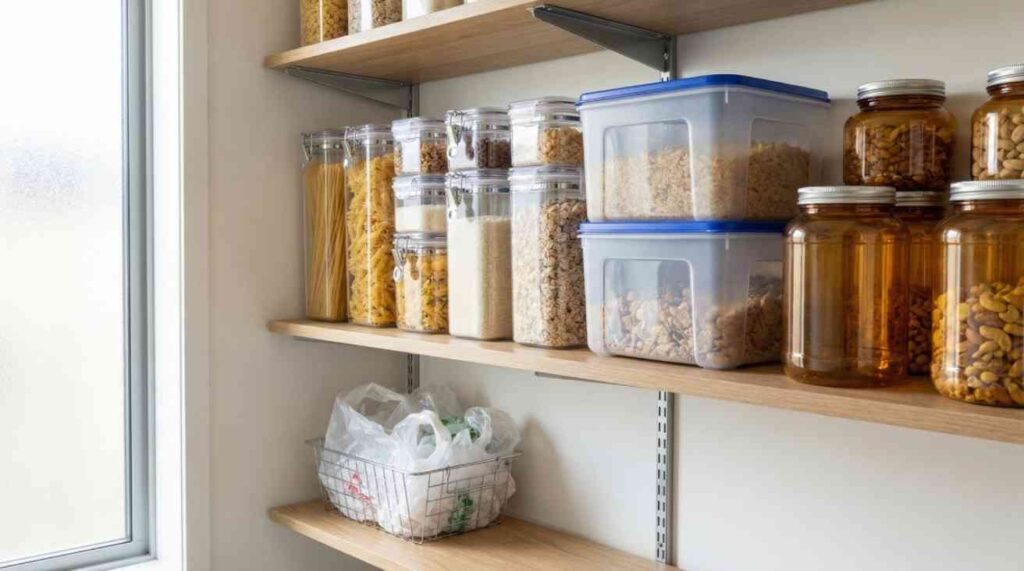
Preventing Roaches from Accessing Plastic-Wrapped Food
- Use thick, sealed containers – Store food in sturdy, airtight containers instead of thin plastic bags to prevent roaches from chewing through.
- Maintain pantry cleanliness – Clean crumbs, spills, and food residues promptly to reduce cockroach attraction.
- Seal entry points – Close gaps, vents, and cracks in walls, cabinets, and pantry areas to limit roach access.
- Professional pest control – For severe infestations, consider professional pest management to protect your food and prevent contamination.
- Reduce odors and maintain hygiene – Minimizing kitchen odors and keeping the area clean, along with roach-resistant containers, effectively controls roach gnawing behavior.
- Combine strategies – Using preventive measures, proper storage, and hygiene together provides the best protection against contamination and plastic damage.
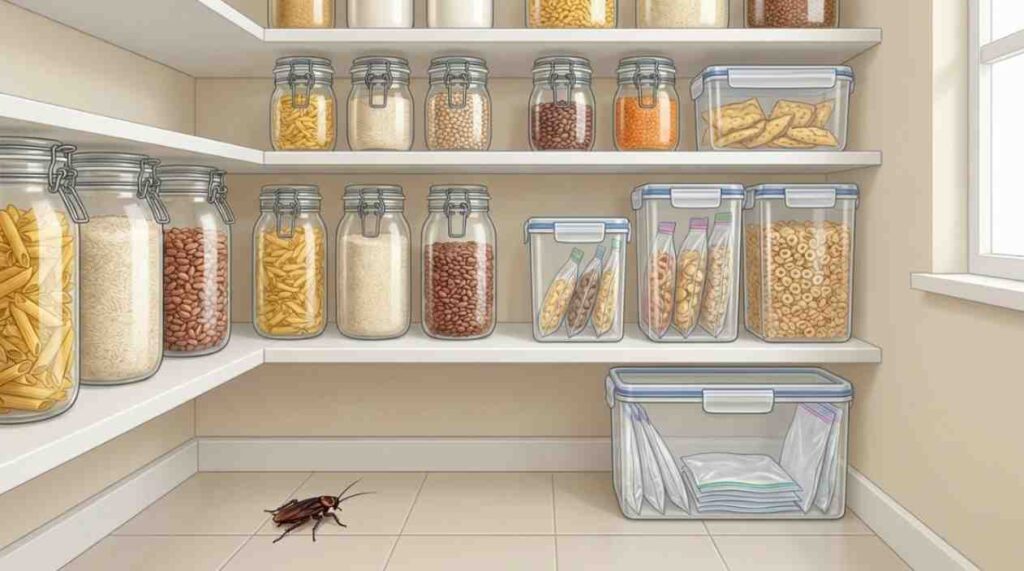
Benefits of Proper Plastic Storage Against Roaches – Table
| Benefit | How It Helps | Actionable Tip |
|---|---|---|
| Prevents contamination | Stops roaches from reaching food, reducing risk of bacteria and allergens. | Use rigid, airtight, roach-resistant containers. |
| Reduces food odors | Minimizes attraction for cockroaches and limits gnawing behavior. | Clean food surfaces and seal thin plastics. |
| Limits pest control needs | Reduces reliance on chemical pest control home remedies. | Maintain proper hygiene and regular storage checks. |
| Protects flexible plastics | Prevents damage to thin or biodegradable plastics. | Store in airtight containers or double-bag. |
| Supports overall home hygiene | Keeps pantry and kitchen safe from roaches. | Combine cleaning, sealing, and organized storage. |
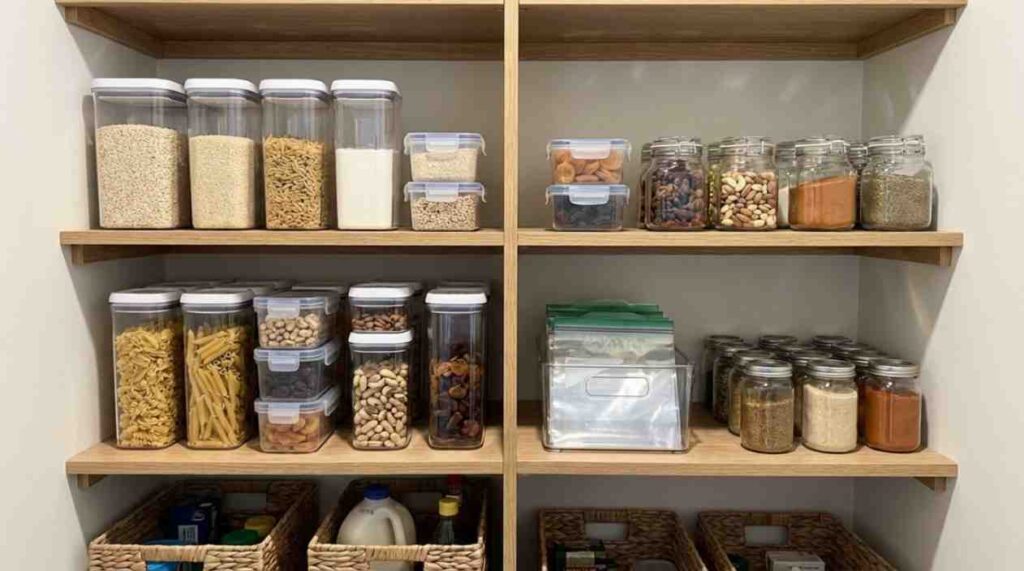
FAQ: Roaches and Plastic
Q1: Can roaches eat through plastic bags?
A: Roaches cannot digest plastic, but they can gnaw through thin plastic bags to reach food. Thick, sealed containers like Tupperware or HDPE bins are generally safe.
Q2: Do roaches prefer thin plastic over thick containers?
A: Yes. Thin plastics are easier for roaches to puncture, while rigid containers remain largely untouched.
Q3: How can I protect my food from roaches?
A: Store food in airtight containers, reduce kitchen odors, and maintain cleanliness. When roach activity is widespread or persistent, professional pest control becomes essential.severe infestations, professional pest control may be necessary.
Q4: Can roaches chew all types of plastic?
A: No. Roaches may gnaw only on thin or flexible plastics; rigid plastics resist their chewing attempts.
Conclusion
So, can roaches eat through plastic? Technically, no—they cannot digest it. However, they may gnaw through thin packaging to access food. Understanding this behavior helps you protect your home and pantry.
The best ways to prevent issues are:
- Use sealed, sturdy containers instead of thin plastics.
- Maintain kitchen hygiene by cleaning crumbs, spills, and residues promptly.
- Address infestations promptly with DIY or professional pest control.
Remember, the main risk is food contamination, not plastic consumption. By safeguarding your food and minimizing roach access, you can prevent damage and keep your home pest-free.


