

Can bed bugs live on plastic? No, they cannot survive permanently, but they may crawl temporarily. Learn effective prevention tips today.
Can Bed Bugs Live on Plastic?
No, bed bugs cannot live on plastic permanently. Smooth plastic surfaces do not provide the cracks, texture, or shelter bed bugs need to hide, reproduce, or establish an infestation.
However, bed bugs can crawl on plastic and may survive temporarily inside plastic bags, bins, or containers if they are trapped inside. Plastic does not kill bed bugs; it only prevents them from hiding or nesting.
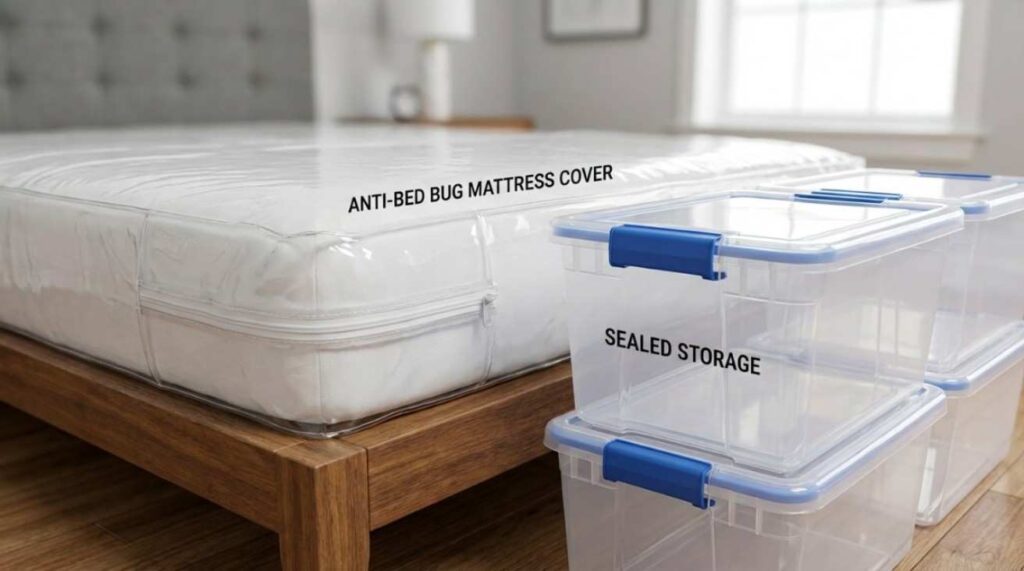
Using Plastic the Right Way for Bed Bug Prevention
| Plastic Use | Purpose / Benefit | Notes / Limitations |
|---|---|---|
| Plastic Mattress Encasements | Encases current bed bugs and blocks any new infestations from spreading. | Must be properly sealed to be effective; important because can bed bugs live on plastic is a common concern |
| Hard Plastic Storage Bins | Easier to inspect, clean, and maintain than cardboard or fabric | Only isolates items; does not kill bed bugs |
| Combined with Treatments | Works best when paired with professional methods | Heat treatment, freezing, or professional pest control are necessary for full eradication |
| Common Mistake | Relying on plastic alone | Plastic can help contain bed bugs but cannot replace proper treatment |
Can Bed Bugs Live on Plastic or Just Crawl on It?
Key Points:
- Bed Bugs Cannot Live on Plastic Permanently:
Smooth, non-porous plastic surfaces lack the fibers, crevices, and insulation that bed bugs need to hide, lay eggs, or establish an infestation. - Plastic Is Unsuitable for Nesting:
Unlike fabric, wood, or cracks, plastic offers no long-term shelter or warmth for bed bugs. - Bed Bugs Can Crawl on Plastic:
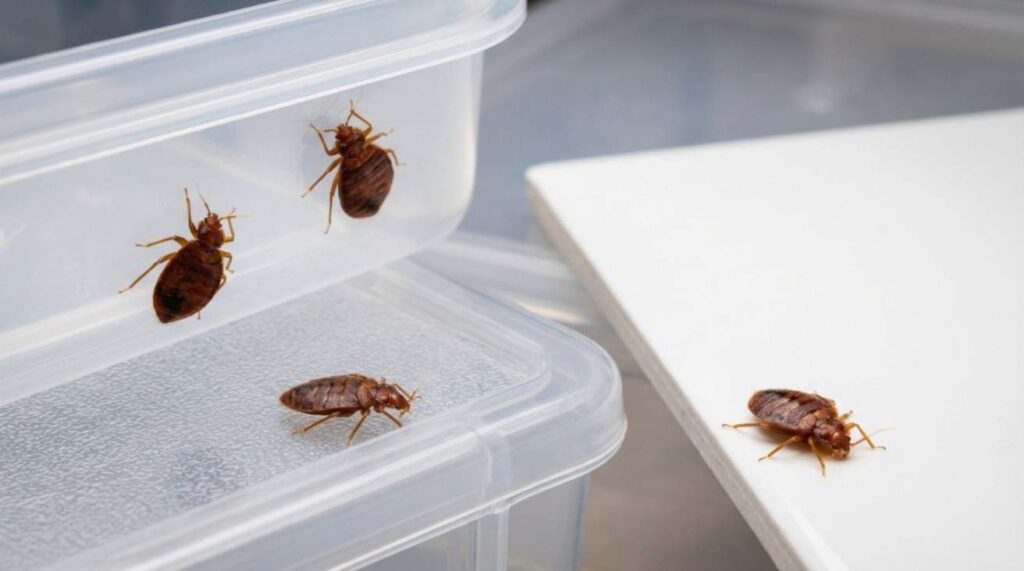
They move easily across plastic floors, bins, containers, and furniture while searching for a blood meal. - Crawling ≠ Living:
Just because bed bugs are seen on plastic does not mean they are infesting it; they are simply passing through or temporarily trapped. - Implications for Infestation Control:
Plastic can carry bed bugs if trapped inside, but it cannot support reproduction or nesting. Proper sealing and treatment are necessary to prevent spread.
Why Plastic Is Not a Preferred Bed Bug Habitat
Understanding Bed Bug Survival:
Bed bugs thrive in tight spaces close to humans, where they can hide during the day and feed at night. Their survival depends on shelter, warmth, and protection from light and movement—conditions that plastic surfaces cannot provide.
Plastic Lacks Key Features for Bed Bugs:
- Cracks, seams, and texture: Essential for hiding and laying eggs.
- Warmth retention: Plastic is smooth and non-insulating.
- Protection from light and movement: Exposed plastic offers no safety from disturbances.
Preferred Bed Bug Habitats:
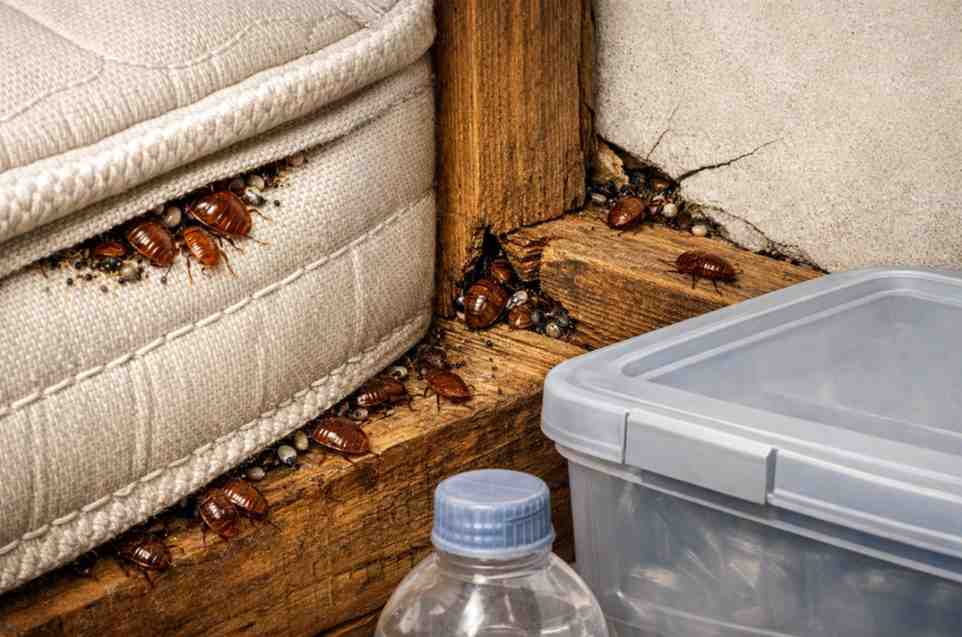
Bed bugs favor mattresses, fabric seams, wooden joints, and wall cracks. While eggs may occasionally survive near plastic edges or folds, the plastic itself cannot sustain a long-term infestation.
Key Takeaway:
Infestations rarely start on plastic. Bed bugs may appear near plastic items stored close to infested materials, but plastic is not a suitable habitat for nesting or reproduction.
Can Bed Bugs Live in Plastic Bags or Containers?
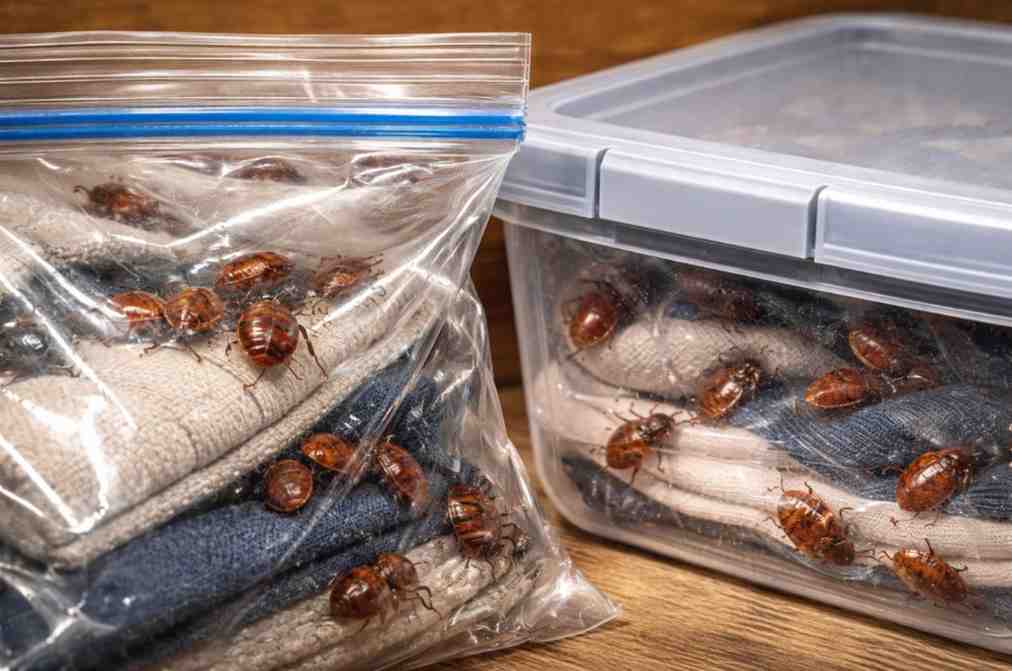
Yes, bed bugs can survive in plastic bags or containers for extended periods, which is why this is a common concern. Adult bed bugs can live weeks or even months without feeding, especially in cool, stable environments.
Plastic does not kill bed bugs. Sealing infested items in plastic bags only isolates them temporarily. Without proper heat or cold treatment, bed bugs inside sealed plastic storage can remain alive and potentially reinfest later.
Key Points for Plastic Containment:
- Airtight plastic containers are effective for isolating bed bugs but do not eliminate them.
- Improperly sealed bins, damaged lids, or reused bags can allow bed bugs to escape.
- Using plastic for containment is useful as part of a broader treatment plan, but it cannot replace professional eradication methods.
FAQs – Can Bed Bugs Live on Plastic?
Q: Can bed bugs live on plastic permanently?
A: No. Smooth plastic surfaces do not provide the cracks, texture, or shelter that bed bugs need to survive long-term or establish an infestation.
Q: Can bed bugs survive in sealed plastic bags?
A: Yes. Bed bugs can survive for weeks or even months without feeding if trapped inside sealed plastic bags or containers.
Q: Do plastic bins keep bed bugs out?
A: Only if they are airtight and free of bed bugs before use. Improperly sealed or damaged containers can allow bed bugs to escape or enter.
Q: Can bed bugs live on plastic mattress covers?
A: They cannot live on smooth plastic surfaces, but they may hide near seams, zippers, or folds where shelter is available.
Conclusion
So, can bed bugs live on plastic? The answer is no, not permanently. Plastic does not support nesting or reproduction, but it does not kill bed bugs either. Bed bugs can crawl on plastic and may temporarily survive inside plastic bags or containers.
When used correctly, plastic can help contain and prevent bed bugs, especially with mattress encasements or storage bins—but it is effective only when combined with proper treatment methods, such as heat, freezing, or professional pest control.


