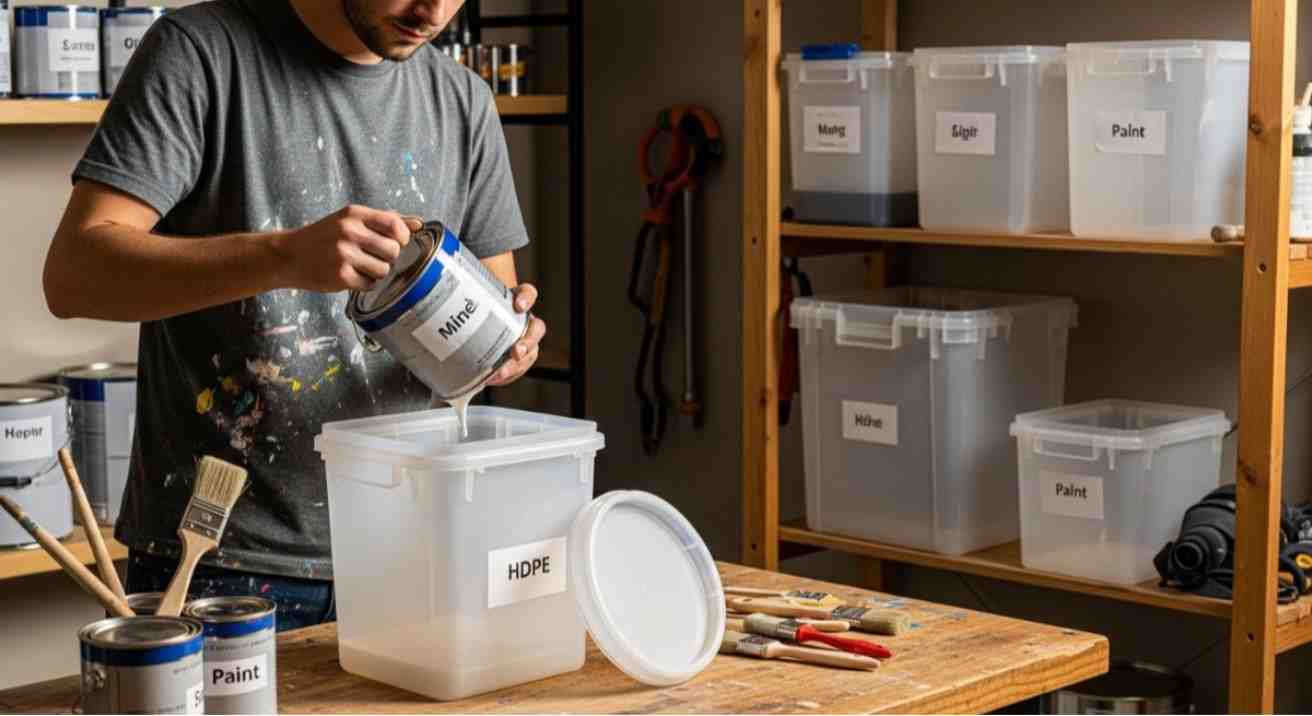

Will putting clothes in plastic bags kill fleas? Only adult fleas die; eggs and larvae survive—use washing, drying, or freezing for full removal.
Introduction
Flea infestations can spread faster than most people expect. When fleas appear on clothes, the immediate question is: will putting clothes in plastic bags kill fleas?
Clothes can temporarily carry fleas, flea eggs, or larvae, especially after contact with infested pets, bedding, carpets, or furniture. Improper handling can allow fleas to spread throughout the home.
Sealing clothes in plastic bags may seem like a simple, chemical-free solution, but adult fleas and flea eggs respond differently to isolation, temperature, and environmental conditions. Adult fleas may eventually die, but eggs and larvae can survive days or weeks.
In this article, we explain whether will putting clothes in plastic bags kill fleas, how long bagging may take, and which methods are truly effective at removing fleas from clothes and preventing household reinfestation.

Will Putting Clothes in Plastic Bags Kill Fleas?
Short Answer: Partially, but not reliably.
Key Points:
- Adult Fleas: Some may die, but not all.
Adult fleas need a blood meal to survive, and without a host, they may die in a few days. However, will putting clothes in plastic bags kill fleas? Only some adults are affected, making bagging alone unreliable.
- Common Misconception: Many think sealing clothes in plastic bags is enough to kill all fleas.
In reality, plastic bagging only temporarily affects adult fleas. Eggs, larvae, and pupae remain unharmed, so the infestation can continue unless additional steps are taken.
- Flea Eggs, Larvae & Pupae: These stages can survive inside plastic bags, even with minimal oxygen and limited resources.
Immature fleas can remain dormant for days or weeks and hatch once conditions improve. Even if you wonder “will putting clothes in plastic bags kill fleas,” eggs and pupae survival shows that bagging is not enough alone.
Conclusion: This method only affects adult fleas.
For complete flea removal, additional steps such as hot washing, high-heat drying, or freezing are necessary. Combining bagging with these methods ensures all life stages are eradicated and prevents reinfestation in your home.
Can Fleas Live on Clothes Inside Plastic Bags?
Short Answer: Yes, but not permanently.
Key Points:
- Fleas on Clothes: Fleas can jump onto clothes when a person sits or walks in an infested area.
Fleas do not permanently live on clothing like they do on pets, but they can temporarily cling to fabrics such as wool, cotton, or textured surfaces. So, if you’re asking “will putting clothes in plastic bags kill fleas,” it’s clear that fleas can survive long enough to cause reinfestation.
- Survival in Plastic Bags: Fleas may survive briefly inside bags, as trapped air and humidity can extend their life.
Even without a host, adult fleas can survive for several days, especially if the environment is moderately warm or humid. This shows that simply putting clothes in plastic bags is not a fully reliable way to kill fleas.
Flea Eggs: Eggs on clothes are the main concern.
These eggs can remain dormant for weeks and hatch later when conditions are favorable. Even with clothes sealed in plastic bags, flea eggs and larvae often survive, proving that bagging alone cannot guarantee complete flea removal.

Step-by-Step: How to Treat Flea-Infested Clothing Safely
| Step | Action | Details |
|---|---|---|
| Step 1 | Identify flea-infested clothes | Place clothes directly in plastic bags. This helps contain fleas and prevents them from spreading. Focus on items that may have been in contact with pets, carpets, or bedding. If you’re wondering “will putting clothes in plastic bags kill fleas,” bagging is the initial containment step but not enough alone. Using separate bags for heavily infested clothes can further reduce cross-contamination. |
| Step 2 | Choose treatment | Options: – Wash + high heat dry: Kills adult fleas, eggs, larvae, and pupae. Most effective for washable fabrics. – Freeze sealed clothes: For delicate/non-washable items, freezing 24–48 hours kills fleas and eggs. Seal bags tightly to prevent moisture. Combining bagging with these methods ensures all flea life stages are removed, addressing the question of whether putting clothes in plastic bags kills fleas. |
| Step 3 | Seal treated clothes | Keep clothes sealed until the environment is clean. Flea removal is ineffective if pets, carpets, and bedding remain infested. Store clean clothes separately or in airtight containers to prevent reintroduction. |
| Additional Tip | Integrated flea control | Combine bagging with proper washing/freezing and environmental treatment. This ensures all flea life stages are eliminated and minimizes reinfestation risk, proving that plastic bags alone cannot kill fleas completely. |

How Sealing Clothes in Plastic Bags Affects Fleas
Key Points:
- Main Benefit: Sealing clothes in plastic bags mainly contains fleas, it does not kill them.
Plastic bags are useful for temporary containment, preventing fleas from spreading while you prepare for proper treatment. - Prevents Spread: Stops fleas from moving to other parts of the home.
By isolating infested clothing, fleas cannot jump onto clean fabrics, carpets, or furniture, which reduces the immediate risk of reinfestation. - Survival Inside Bags: Most plastic bags have enough oxygen for fleas to survive.
Adult fleas can remain alive for several days even in sealed bags, especially if the temperature is moderate. - Moisture Issue: Trapped humidity can create a favorable environment for flea eggs and larvae.
High humidity inside the bag can actually prolong the survival of immature fleas, making bagging alone unreliable. - Killing Fleas: Fleas are only killed if additional factors like heat or freezing are used.
For complete flea removal, combine bagging with hot washing, high-heat drying, or freezing to target all life stages. - Recommendation: Plastic bags alone are not enough for effective flea control.
Use them as a temporary step alongside environmental treatment and pet care to ensure successful eradication.

Do Plastic Bags Kill Flea Eggs and Larvae?
Short Answer: No.
Flea Eggs: Can survive even without oxygen.
Flea eggs are extremely resilient and can remain dormant for weeks, even inside sealed clothing or plastic bags. Their ability to survive without oxygen means that simply placing clothes in bags will not kill them. Once conditions become favorable—like warmth or humidity—they can hatch and restart the infestation cycle.
Larvae and Pupae: Specially designed to survive harsh conditions; plastic bags do not kill them, only delay development.
Flea larvae feed on organic debris and develop over time, while pupae can stay dormant for months. Plastic bags may slow their activity temporarily, but they do not eliminate them. This is why flea infestations often reappear after bagged clothes are returned to use.
Survival in Sealed Bags: Flea eggs often survive inside.
Even in airtight conditions, immature fleas are tough and can survive long periods. Bagging may give the illusion of control, but it is not a standalone solution.
Misconception: People may think the infestation returned, while it never fully ended.
Because eggs, larvae, and pupae survive, the flea population can bounce back quickly. This leads many to believe that plastic bags are ineffective, when in reality, they only delay the problem.
Recommendation: For full flea eradication, bagging should be combined with heat treatment, high-heat drying, or freezing. This ensures that adult fleas, eggs, larvae, and pupae are all destroyed, reducing the risk of reinfestation in your home.

Best Ways to Kill Fleas on Clothes
| Method | Effectiveness | Details |
|---|---|---|
| Hot Washing & High-Heat Drying | Most effective | Adult fleas, eggs, and larvae all are killed. Washing clothes in hot water followed by high-heat drying ensures complete eradication of all flea life stages. This method is reliable for most washable fabrics and is the recommended first step for flea-infested clothing. |
| Freezing Clothes | Second best | Keeping clothes in the freezer for 24–48 hours kills fleas and eggs. This method is suitable for delicate or non-washable fabrics. Ensure that clothes are tightly sealed in plastic bags to prevent moisture or contamination during freezing. |
| Heat Requirement | Effective only with high temperature | Heat only works if the temperature is consistently high. Low or moderate temperatures will not reliably kill fleas, eggs, or larvae, so simply warm air or sunlight may be insufficient. |
| Plastic Bags Alone | Least effective | Isolation with plastic bags only contains fleas temporarily but does not kill them. Bagging may reduce adult flea movement, but eggs, larvae, and pupae often survive, making it an incomplete solution. |
Additional Tips:
- Combine methods for best results. For example, wash clothes and then bag them if immediate use is not needed.
- Treat surrounding environment and pets simultaneously. Fleas on clothing may return if carpets, bedding, or pets remain infested.
- Regular monitoring: Check clothing and storage areas periodically to prevent reinfestation.

When Plastic Bagging Is Not Enough
Key Points:
- Limited Effectiveness: If fleas are in carpets, pets, or bedding, plastic bags will not work.
Fleas can infest multiple areas in your home, including carpets, furniture, bedding, and pets. Placing clothes in plastic bags may contain fleas temporarily, but it does not eliminate them from the environment. Once the clothes are removed, fleas from other sources can easily reinfest them.
- Holistic Approach Needed: Flea infestation control always requires a complete, holistic approach.
Effective flea control includes treating pets with veterinarian-approved flea medications, washing all infested fabrics, and thoroughly cleaning carpets and furniture. Ignoring any part of the environment allows fleas to survive and reproduce, making single-step solutions like bagging insufficient.
- Partial Solution: Treating clothes alone only solves part of the problem.
Even if clothes are temporarily free of fleas, eggs, larvae, and pupae elsewhere in the home can continue the life cycle. An integrated strategy—treating fabrics, environment, and pets together—is essential for complete flea eradication.
- Additional Expert Tip:
Maintain a regular routine of vacuuming, washing pet bedding and clothing, and monitoring your pets for fleas. This reduces reliance on temporary measures like plastic bagging and ensures a flea-free home.

FAQs: Will Putting Clothes in Plastic Bags Kill Fleas?
- Q: Will putting clothes in plastic bags kill fleas completely?
No. Adult fleas may die, but eggs and pupae survive. Plastic bags alone cannot eliminate all flea life stages, so relying solely on bagging is not enough for complete flea eradication.
- Q: How long should clothes stay in plastic bags to kill fleas?
At least 1–2 weeks, still no guarantee. Even after extended periods, flea eggs and pupae may survive and hatch once clothes are removed, making bagging an unreliable method for total control.
- Q: Can fleas survive in sealed plastic bags?
Yes, especially flea eggs and larvae. Sealed bags may slow adult flea activity, but immature stages are highly resilient and can survive until favorable conditions return.
- Q: What kills fleas on clothes instantly?
Hot washing and high-heat drying. These methods effectively destroy adult fleas, eggs, larvae, and pupae, making them the most reliable way to treat infested clothing.
- Q: Is freezing clothes effective?
Yes, 24–48 hours in the freezer is very effective. For delicate or non-washable items, freezing kills fleas and eggs when the clothes are sealed properly in airtight bags.
Conclusion
So the final answer to Will putting clothes in plastic bags kill fleas?
In limited cases, yes, but it is not a reliable solution.
Plastic bags can contain fleas, but they do not kill them.
For effective flea control, heat, washing, freezing, and environmental treatment are necessary.
When treated properly, clothes do not become a source of infestation — and the problem is permanently eliminated.