

Can a metal detector detect plastic? No, metal detectors only respond to metal objects. Plastic remains invisible unless metal parts are present.
No, a metal detector cannot detect plastic. Can a metal detector detect plastic? The answer is no, because plastic has no metallic or conductive properties. This means a metal detector cannot detect plastic unless the plastic item contains metal parts, such as wires, chips, screws, or metal coatings. To locate pure plastic objects, experts use X-ray scanners, GPR (ground-penetrating radar), infrared, and ultrasound instead of metal detectors.

What Does a Metal Detector Actually Detect?
Many beginners ask: can a metal detector detect plastic? The answer lies in understanding how metal detectors work.
- Detects metals only – ferrous and non-ferrous objects.
- Electromagnetic induction – generates a magnetic field that reacts to metal.
- Eddy currents – metal objects produce electrical signals the detector reads.
- Non-metallic items ignored – plastic, glass, wood, and ceramic remain invisible.
- Depth and soil matter – detector response depends on metal size, type, and ground conditions.
- Exceptions exist – plastic with metal parts (caps, screws, foil) can be detected.
Key takeaway: A metal detector cannot detect plastic unless metal is embedded.
Why Pure Plastic Is Invisible to Metal Detectors
| Feature | Metal Detector Response | Reason Plastic Is Invisible | Examples |
|---|---|---|---|
| Conductivity | Detects metals | Plastic has no free electrons | PVC pipes, plastic bottles, toys |
| Magnetism | Detects ferrous metals | Plastic is non-magnetic | Acrylic sheets, polypropylene containers |
| Electromagnetic Interaction | Generates signal | Plastic cannot disturb magnetic field | Plastic food wraps, storage bins |
| Material Composition | Metal alloys | Pure plastic composed of polymers | PET bottles, polyethylene sheets |
| Depth Impact | Metal signal affected by soil & moisture | Depth doesn’t matter for plastic | Buried plastic toys, containers |
| Embedded Metal | Detected if present | Only metal inside triggers detector | Plastic with metal screws, foil layers, batteries |
Key takeaway: A metal detector cannot detect plastic because plastic lacks conductivity, magnetism, and electromagnetic response. Only when metal is embedded does detection occur.

When a Metal Detector Does Detect Plastic (Exceptions)
Although a metal detector cannot detect plastic by itself, there are certain exceptions where detection is possible:
- Plastic with embedded metal: Screws, wires, electronic chips, or small metal parts inside the plastic can trigger the detector.
- Metal-coated plastic: Plastic items with foil layers, metal paint, or metallic films can be detected.
- Mixed-material objects: Toys, containers, or packaging that combine plastic and metal components are picked up by the detector.
- Industrial metal-detectable plastics: Some safety plastics are intentionally blended with metal particles for detection in factories.
- Plastic containers with batteries or electronics: Any electronic device inside a plastic shell can generate a signal.
Key takeaway: A metal detector detects the metal within the plastic, not the plastic itself. This distinction is critical for hobbyists, treasure hunters, and industrial inspections.
Best Ways to Detect Plastic When Metal Detectors Fail
Key takeaway: When a metal detector cannot detect plastic, alternative technologies like GPR, X-ray scanners, tracer wires, and ultrasound provide reliable solutions. These tools are essential for locating pure plastic objects in industrial, security, and construction applications.
| Method | How It Works | Best Use Cases | Advantages |
|---|---|---|---|
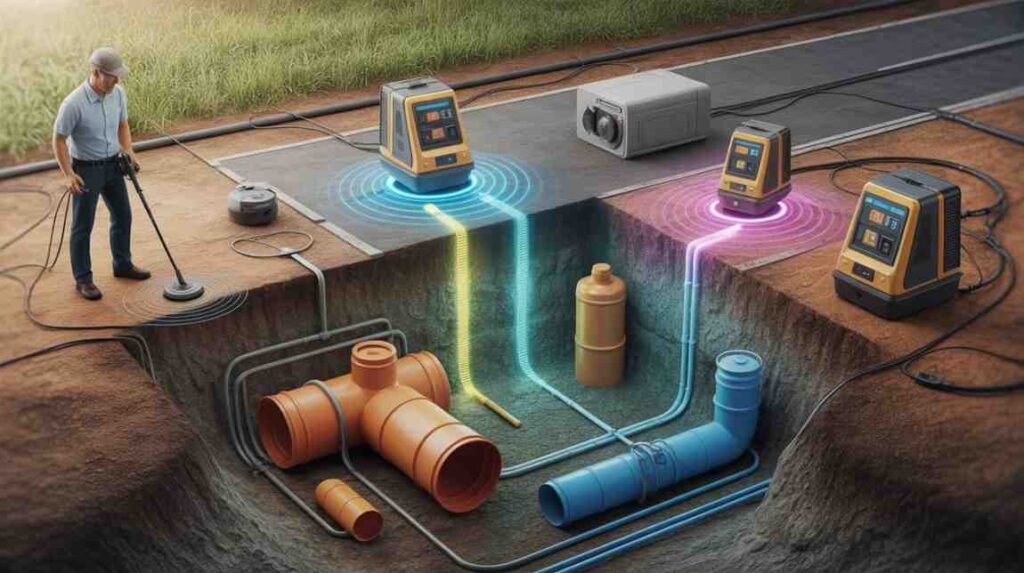
| Ground Penetrating Radar (GPR) | Sends electromagnetic waves into the ground and detects changes in density | Buried plastic pipes, tanks, or objects | Detects non-metal objects, works underground |
| Tracer Wires | Metal wires installed alongside plastic pipes that metal detectors can follow | Plastic plumbing, underground utilities | Simple, cost-effective for pipeline detection |
| X-Ray Scanners | Uses X-ray imaging to detect objects based on density, not metal | Industrial inspections, security scanning | Detects hidden plastic items, safe for food or containers |
| Ultrasound & Infrared | Uses sound waves or heat patterns to locate non-metal objects | Wall-embedded plastic, industrial equipment | Non-invasive, accurate for embedded objects |
| Metal-Detectable Plastics | Plastic blended with metal particles | Factory tools, safety utensils | Allows standard metal detectors to find plastic |
FAQs:
Q1: Can a metal detector detect plastic?
No. A metal detector cannot detect plastic unless it contains metal parts like screws, foil, or wires.
Q2: Why doesn’t plastic trigger a metal detector?
Plastic is non-conductive and non-magnetic, so it doesn’t disturb the detector’s electromagnetic field.
Q3: Can plastic bottles or toys be detected?
Only if they contain metal components. Pure plastic remains invisible.
Q4: How can plastic pipes be located underground?
Use GPR, tracer wires, or specialized equipment. Metal detectors alone won’t detect them.
Q5: Are there plastics detectable by metal detectors?
Yes. Metal-detectable plastics contain small metal particles for industrial detection.
Q6: Do airport metal detectors detect plastic items?
No. They detect only metal, so plastic objects without metal won’t trigger a signal.
Conclusion
A metal detector cannot detect plastic because plastic is non-conductive and non-magnetic. Detection occurs only if metal is embedded. For locating pure plastic objects like pipes, bottles, or containers, use GPR, tracer wires, or X-ray systems.