

Yes, can plastic surgery be reversed? Some procedures can — non-permanent treatments like fillers or implants are reversible, but major surgeries are not.
Can plastic surgery be reversed? Yes, it can be reversed in some cases. Procedures like fillers, fat grafting, or breast implant removal can often be safely undone, while surgeries that alter skin or bone, such as facelifts or rhinoplasty, are usually permanent. Most results can be refined through revision plastic surgery, but a complete cosmetic surgery reversal is extremely rare.
Recovery and Results After Plastic Surgery Reversal
| Aspect | Details |
|---|---|
| Healing Time | Most reversal or revision surgeries require 2–6 weeks for visible recovery, depending on the procedure. |
| Swelling & Bruising | Mild swelling and bruising are common; they fade gradually with proper aftercare. |
| Pain Management | Discomfort is usually minimal and managed with prescribed medication. |
| Final Results | Can plastic surgery be reversed completely? Not always — results vary based on skin elasticity, tissue healing, and surgical skill. |
| Aftercare Tips | Follow your surgeon’s advice, avoid strenuous activity, and maintain a healthy lifestyle for best reversal outcomes. |
Understanding Plastic Surgery Reversal vs. Revision
1. What Is Plastic Surgery Reversal?
- Plastic surgery reversal means undoing or removing the effects of a previous procedure.
- It aims to restore your natural appearance as closely as possible.
- Common examples include dermal filler dissolving, breast implant removal, or fat graft reversal.
- Reversal is most effective for temporary or minimally invasive procedures.
2. What Is Revision Surgery?
- Revision surgery focuses on improving or correcting unsatisfactory cosmetic results from a prior operation.
- It’s a corrective procedure, not a full reversal.
- Surgeons use this to fix asymmetry, scarring, or healing issues after the first surgery.
- The goal is to enhance the surgical outcome, not erase it.
3. Which Option Is Right for You?
- The decision depends on the type of surgery, tissue changes, and your healing response.
- Always consult a board-certified plastic surgeon to understand whether a reversal or revision is safer and more effective for your case.

Procedures That Can Be Reversed or Corrected
1. Dermal Fillers
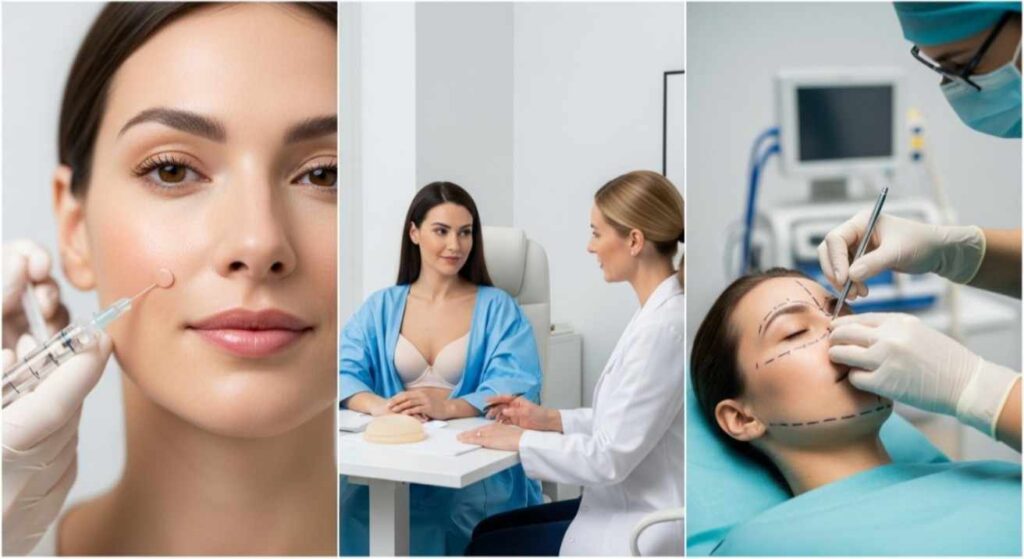
- Dermal fillers are among the easiest procedures to reverse.
- If the results look uneven or unnatural, hyaluronidase enzyme injections can dissolve the filler quickly and safely.
- This non-surgical reversal helps restore natural facial contours within days, making it one of the most reversible cosmetic procedures available.
2. Breast Implants
- Breast implant removal (explant surgery) is another common form of plastic surgery reversal.
- Patients may choose this to return to their natural breast shape, address discomfort, or replace old implants.
- Depending on tissue condition, a breast lift may follow for balanced cosmetic results.

3. Fat Grafting or Fat Transfer
- Fat transfer reversal is possible when excess fat creates asymmetry or irregularities.
- Surgeons can use liposuction to remove or reduce transferred fat, refining the surgical outcome.
- Although partial, this revision plastic surgery offers a natural correction without major complications.
4. Minor Corrective Procedures
- Small cosmetic revisions like eyelid touch-ups or scar corrections can fix subtle issues.
- These procedures enhance aesthetic balance and patient satisfaction, though they don’t fully reverse the initial surgery.
Procedures That Are Difficult or Impossible to Reverse
1. Facelifts (Rhytidectomy)
- Facelifts involve permanent tightening of facial skin and muscles, which makes them extremely difficult to reverse.
- Once tissue has been repositioned or removed, it cannot return to its original state.
- Only revision surgery can make minor adjustments, but complete reversal of facelift results is not possible.
2. Rhinoplasty (Nose Surgery)
- Rhinoplasty correction is one of the most complex revision procedures in cosmetic surgery.
- Because cartilage and bone are permanently reshaped, restoring the original nasal structure is nearly impossible.
- Surgeons can improve symmetry or breathing, but a total reversal cannot be achieved.
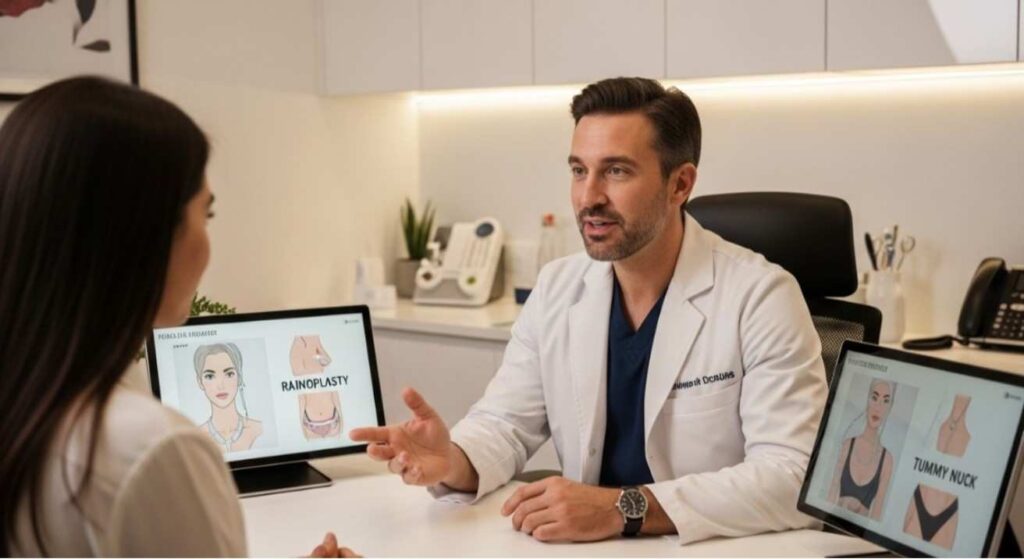
3. Body Contouring & Tummy Tuck
- Tummy tucks, liposuction, and body contouring remove fat and excess skin permanently.
- Once these tissues are gone, they cannot be replaced naturally.
- While revision plastic surgery may enhance contours, these are irreversible procedures by nature.
Risks and Considerations of Reversal Surgery
| Type of Risk | Description | How to Manage It |
|---|---|---|
| Surgical Complications | Like any operation, reversal surgery can involve bleeding, infection, or anesthesia reactions. | Choose a board-certified plastic surgeon and follow all post-surgery care instructions. |
| Scar Tissue Formation | Pre-existing scar tissue may limit how well plastic surgery can be reversed or revised. | Surgeons can use precision techniques to minimize new scars. |
| Unrealistic Expectations | Some procedures are irreversible, and full restoration is rarely possible. | Have a clear consultation to understand achievable revision outcomes. |
| Emotional Impact | The process can cause stress, regret, or dissatisfaction if results differ from hopes. | Seek emotional support and set realistic goals with your surgeon. |
| Delayed Healing | Repeated surgery can slow recovery and affect tissue strength. | Maintain a healthy lifestyle and follow your recovery plan closely. |

How to Decide If Reversal Surgery Is Right for You
1. Assess Your Reasons
- Be clear about why you want a reversal — whether it’s dissatisfaction with results, discomfort, or a desire to restore your natural look.
- Understanding your motivation helps determine if a cosmetic correction or full reversal is the right step.
2. Consult a Qualified Surgeon
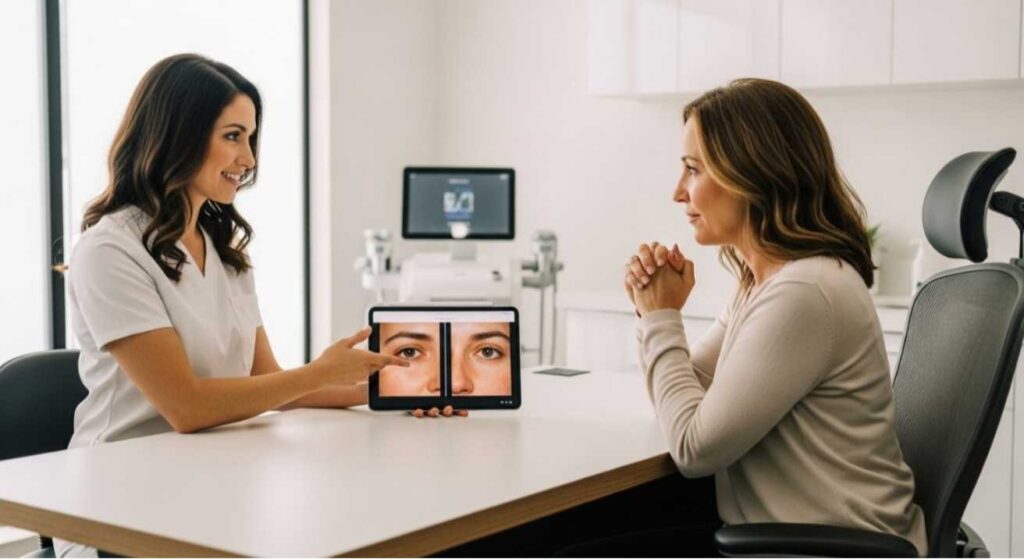
- Always seek guidance from a board-certified plastic surgeon experienced in revision and reversal surgery options.
- They can assess your skin condition, scar tissue, and healing capacity to see if plastic surgery can be reversed safely.
3. Set Realistic Expectations
- Even with skilled care, results may not fully restore your original appearance.
- The goal of reversal or revision surgery is improvement — not perfection.
FAQs About Plastic Surgery Reversal
1. Can plastic surgery be reversed completely?
Not always. Some procedures like fillers and breast implants can be reversed safely, but surgeries that alter bone or skin structure — such as rhinoplasty or facelifts — are usually irreversible.
2. How long does reversal or revision take to heal?
Most patients recover within 2–6 weeks, depending on the type of procedure and individual healing process.
3. Is reversal surgery expensive?
Reversal or revision surgeries often cost more than the original procedure due to their complexity and precision.
4. Can I fix poor results without surgery?
Yes, certain non-surgical corrections, like filler dissolving or laser treatments, can refine results safely.
Conclusion
The possibility of reversing plastic surgery largely depends on the type of procedure and how well your body heals afterward. depends on the procedure type and healing process, modern techniques allow many results to be refined or partially undone.
However, complete reversal is rare, especially for surgeries that permanently alter bone or skin structure.
Choosing a qualified, board-certified plastic surgeon is crucial to ensure safe, realistic, and satisfying outcomes.
With expert care and honest expectations, you can confidently move toward restoring your natural look and regaining self-assurance.


