Yes, you can recycle plastic containers, but not all types. Learn which plastics are accepted, how to prepare them, and the benefits of recycling.
Yes, you can recycle plastic containers, but not all types are accepted. PET bottles and HDPE jugs are widely recyclable, while Styrofoam, black plastic, and contaminated items are usually rejected. Always check local recycling rules, rinse containers, and follow plastic recycling codes to ensure proper recycling.
Plastic Recycling Codes and Container Types
| Plastic Code | Common Containers | Can You Recycle It? | Notes |
|---|---|---|---|
| #1 PET (Polyethylene Terephthalate) | Water bottles, soda bottles, food packaging | Yes | Most accepted in plastic recycling programs; turned into new bottles, textiles |
| #2 HDPE (High-Density Polyethylene) | Milk jugs, detergent bottles, shampoo containers | Yes | Strong demand in recycling; highly reusable |
| #3 PVC (Polyvinyl Chloride) | Cooking oil bottles, blister packs | No | Difficult to recycle; usually non-recyclable plastic |
| #4 LDPE (Low-Density Polyethylene) | Plastic bags, squeezable bottles | Sometimes | Requires special drop-off; not curbside in most areas |
| #5 PP (Polypropylene) | Yogurt cups, margarine tubs, food lids | Limited | Accepted in some programs; check local recycling |
| #6 PS (Polystyrene / Styrofoam) | Disposable plates, foam cups, meat trays | No | Styrofoam containers are rarely recyclable |
| #7 Other (Mixed Plastics) | Multi-layer packaging, baby bottles | No | Hard to separate; often ends up as trash |
Can You Recycle Plastic Containers?
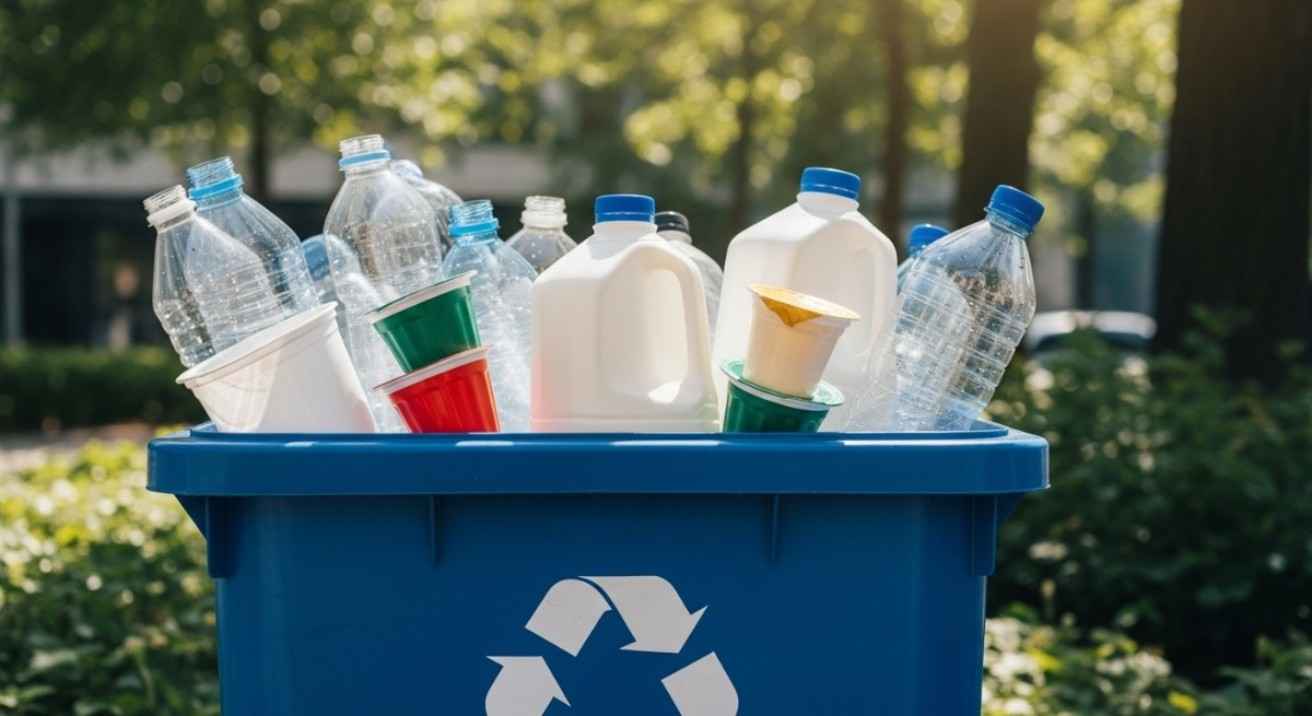
Yes, you can recycle plastic containers, but the truth is that not every container qualifies for recycling. The key lies in the plastic recycling codes printed on the packaging. PET bottles (#1), such as water or soda bottles, and HDPE jugs (#2), like milk and detergent containers, are the most reliably recycled plastics in almost every curbside program.
PP containers (#5), including yogurt cups and food tubs, may be accepted in some areas but rejected in others. By contrast, Styrofoam (#6), black plastic trays, and any food-contaminated containers are almost always discarded as trash.
So when you ask, “can you recycle plastic containers?” the strong answer is: check the recycling symbol, clean the container, and follow local recycling programs. Doing this not only ensures acceptance but also keeps your effort from being wasted.

How to Properly Prepare Plastic Containers for Recycling
If you wonder can you recycle plastic containers, the answer is yes—but only if you prepare them correctly. Recycling facilities reject thousands of pounds of plastics every day because of contamination from food, labels, or mixed materials. Following a few simple steps ensures your effort does not go to waste:
- Rinse Containers Thoroughly
Always wash out leftover food, oils, or liquids. Clean plastic bottles and tubs prevent mold and contamination in recycling bins. - Remove Labels and Caps
Some curbside programs require labels, straws, or caps to be removed, especially from PET bottles and HDPE jugs. Check local guidelines. - Avoid Food-Stained Plastics
Pizza boxes, greasy trays, or Styrofoam containers are not recyclable. Dirty plastics ruin entire batches and should be discarded. - Flatten Where Possible
Crushing bottles or tubs saves space and helps transport efficiency. - Sort by Recycling Code
Always look for the plastic recycling code (#1–#7) and place accepted containers in the proper bin.
Proper preparation is the difference between a container being recycled or rejected. By cleaning, sorting, and following local rules, you ensure your plastics actually get a second life instead of ending up in landfills.
Benefits of Recycling Plastic Containers
| Benefit | How It Helps Communities & Economy |
|---|---|
| Job Creation | The recycling industry creates more jobs than landfilling or incineration. Sorting and processing plastic containers supports local employment. |
| Cost Savings | Community recycling programs reduce landfill expenses. Cities spend less on waste disposal when plastic bottles and HDPE containers are recycled. |
| Local Economy Growth | Manufacturers reuse recycled PET bottles and HDPE plastics for packaging, textiles, and building materials, boosting local industries. |
| Cleaner Communities | Recycling reduces plastic pollution in streets, rivers, and oceans, leading to healthier neighborhoods. |
| Sustainable Circular Economy | Recycling supports a circular economy, where resources are reused instead of wasted, ensuring long-term economic and environmental balance. |

Common Mistakes to Avoid When Recycling Plastic Containers
Many people ask, can you recycle plastic containers? The truth is yes—but only if you avoid common mistakes. These errors are the main reason why so many plastics never get recycled, even when they should.
- Leaving Food Residue
Dirty bottles or tubs with food residue cause recycling contamination. Even one greasy container can ruin an entire recycling load. - Recycling the Wrong Plastics
Styrofoam, black plastic trays, and multi-layer packaging are almost always non-recyclable plastics. Adding them to the bin slows sorting and increases waste. - Ignoring Plastic Recycling Codes
Always check the symbol. PET bottles (#1) and HDPE containers (#2) are widely accepted, but many other codes are rejected in curbside recycling programs. - Bagging Plastics in Grocery Bags
Film and thin bags jam recycling machines. Place containers directly in the bin instead. - Not Following Local Rules
Every city has its own recycling guidelines. What is recyclable in one area may be trash in another.
Avoiding these mistakes keeps recycling efficient and ensures that the plastic you collect actually gets processed instead of being dumped in landfills.
Environmental Impact of Recycling Plastic Containers
When people ask can you recycle plastic containers, the answer matters far beyond household waste—it directly impacts the environment. Recycling plastics reduces the demand for virgin materials and lowers the pressure on natural resources.
1. Less Landfill Waste
Recycling prevents millions of plastic bottles, HDPE containers, and PP tubs from piling up in landfills where they take centuries to break down.
2. Lower Carbon Footprint
Making new plastics from raw oil requires massive amounts of energy. Recycling plastic containers conserves energy and cuts greenhouse gas emissions.
3. Reduced Plastic Pollution
Every recycled bottle means one less item polluting oceans, rivers, and streets. This protects wildlife from ingesting or choking on plastic waste.
4. Supports a Circular Economy
Proper recycling ensures materials are reused to make new PET bottles, packaging, or textiles, promoting sustainable recycling practices instead of a throwaway culture.
The impact is clear: recycling plastic containers reduces waste, conserves energy, and protects the planet. By preparing and sorting plastics correctly, individuals play a powerful role in building a cleaner and greener future.

FAQs
Q1: Can you recycle plastic containers with food residue?
No. Food residue causes recycling contamination. Always rinse PET bottles and HDPE containers before recycling.
Q2: Are all plastic containers recyclable in curbside recycling?
No. While PET (#1) bottles and HDPE (#2) jugs are widely accepted, Styrofoam and black plastic trays are not.
Q3: Do I need to remove labels and caps?
Yes, many curbside programs require removing caps, straws, and labels to improve sorting.
Q4: What happens if I recycle the wrong plastic?
It contaminates the batch, wastes resources, and may send everything to landfill. Always check the plastic recycling code (#1–#7).
Q5: Can you recycle Styrofoam food containers?
No. Styrofoam (#6) is rarely accepted because it breaks easily and is costly to process.
Q6: Why recycle plastic containers?
It reduces landfill waste, saves energy, lowers carbon emissions, and fights plastic pollution.
Q7: Where to find recycling rules?
Check your city’s website or local recycling program for accepted plastics.
Conclusion:
So, can you recycle plastic containers? Yes—but only if you clean, sort, and follow local recycling codes. Recycling is more than a habit; it cuts plastic waste, saves energy, and supports a circular economy.
With better recycling programs and eco-friendly packaging, the future of plastics can be sustainable. Each rinsed bottle and sorted tub is a powerful step toward a cleaner planet.
Strong action today ensures a greener tomorrow—start recycling plastic containers the right way.