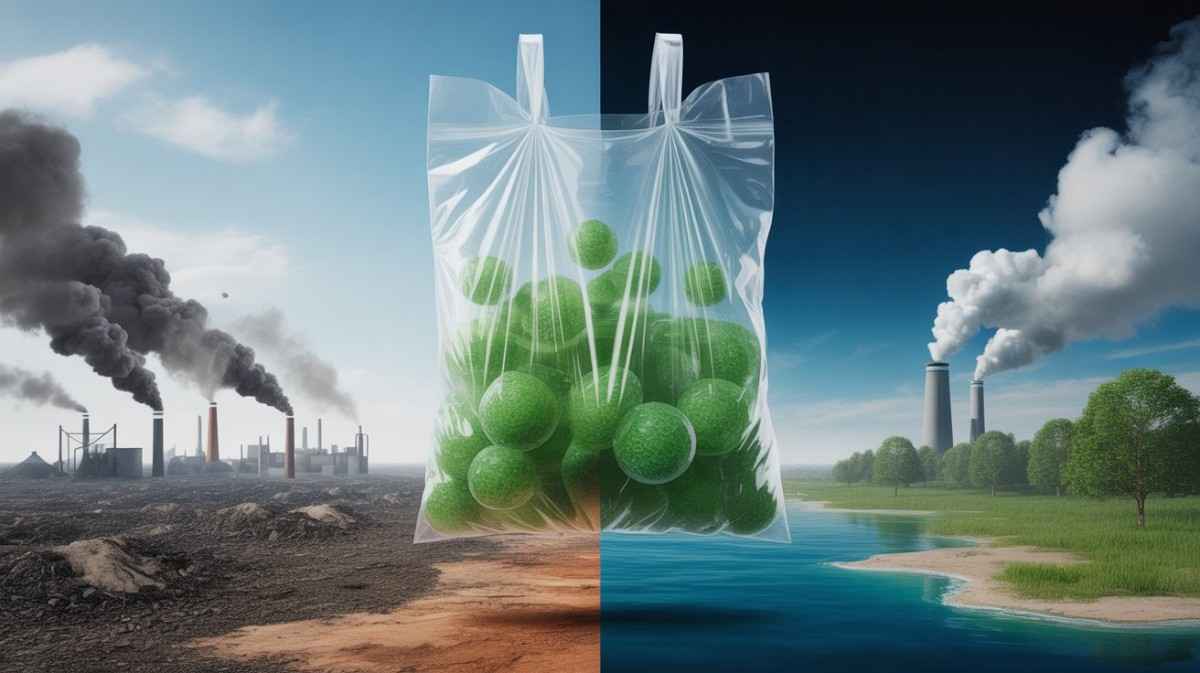
Thick plastic bags made of HDPE or LDPE are recyclable; multi-layer, coated, or dirty bags cannot be recycled. Know what works now!
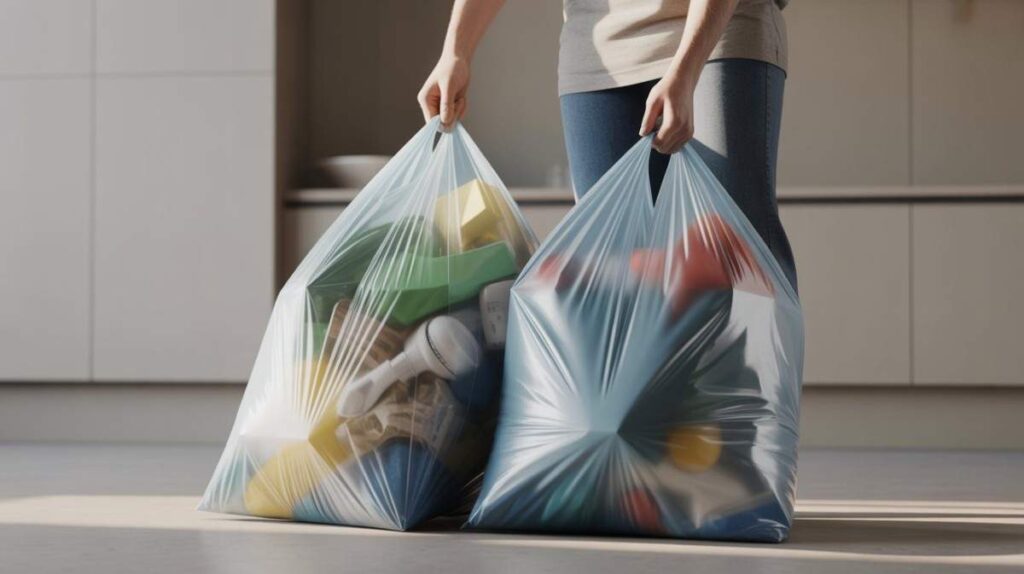
What Are Thick Plastic Bags?
Thick plastic bags are specially made for durability and heavy-duty use. Key points:
- Strength and Durability: Built to carry heavy loads and resist tearing, making them suitable for sharp or bulky items.
- Thick plastic bags are usually 60–100 microns or thicker and are made from durable materials like HDPE, LDPE, or LLDPE.
- Enhanced Performance: Increased thickness improves stretchability, tear resistance, and reliability.
- Common Uses: Ideal for garbage disposal, packaging, industrial waste, and storage purposes.
- Recyclability Considerations: Thickness alone does not ensure recyclability; material type, cleanliness, and local recycling rules are the deciding factors.
Are Thick Plastic Bags Recyclable?
- Not Always: Recyclability depends on material, thickness, and condition.
- Accepted Materials: HDPE or LDPE bags that are clean and free from food or chemicals are usually recyclable.
- Limitations: Multi-layer, laminated, or heavily soiled bags are often rejected.
- Local Rules Matter: Some areas allow store drop-offs, while curbside programs may not accept them.
- Key Takeaway: Thickness alone doesn’t determine recyclability; always check material type, cleanliness, and local guidelines.
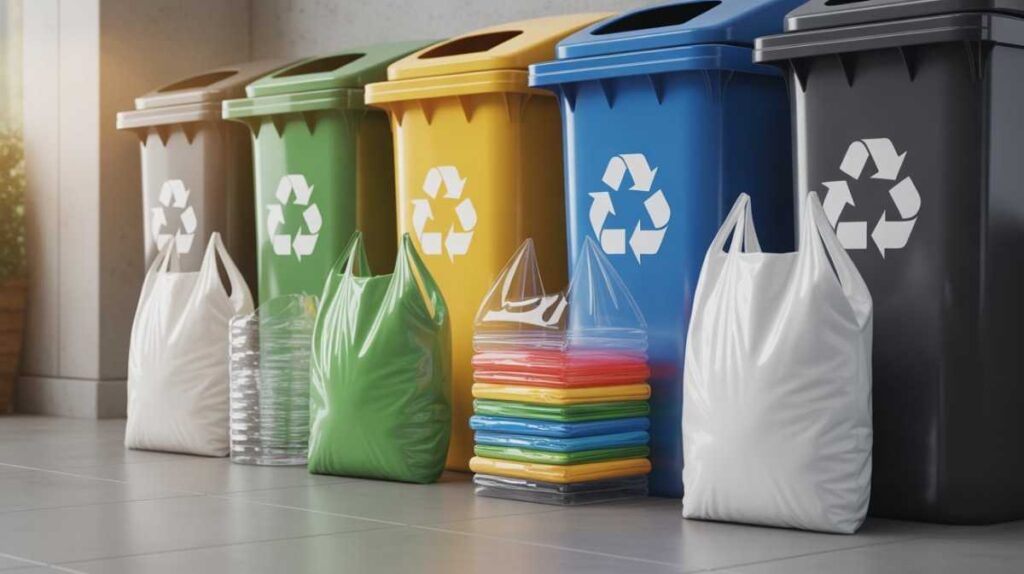
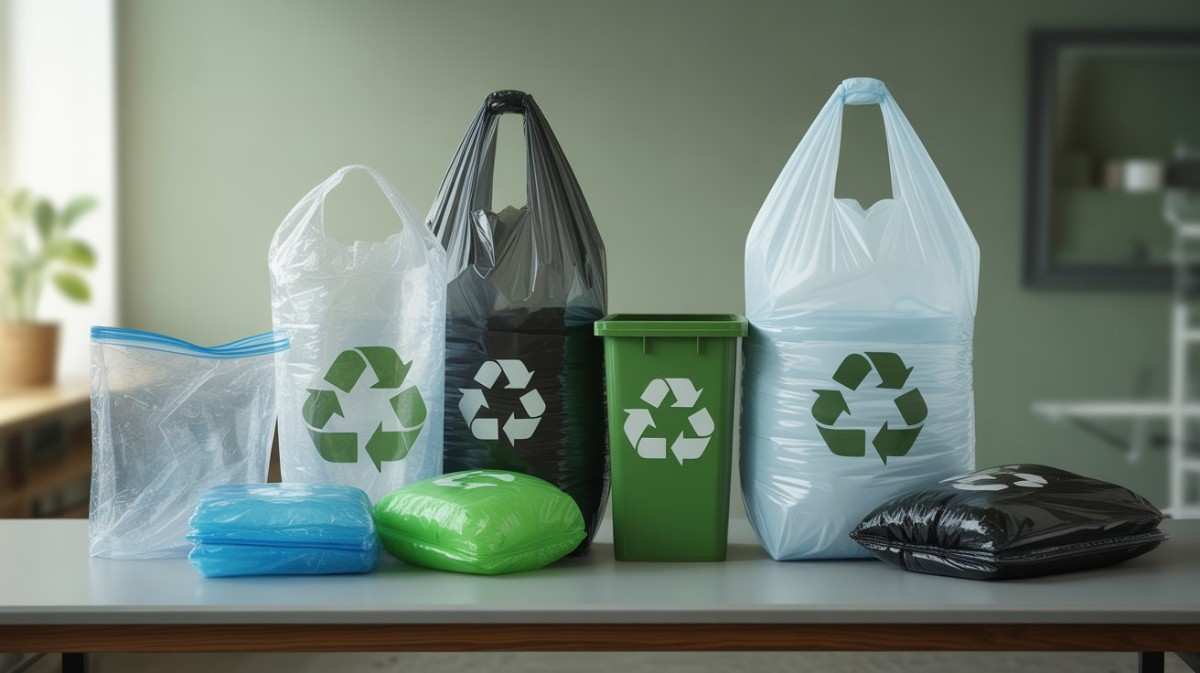
Thick Plastic Bags That CAN Be Recycled
- Accepted Materials: HDPE and LDPE thick bags are usually recyclable.
- Common Uses: Used for shopping, packaging, or dry household storage.
- Cleanliness Matters: Bags must be clean, dry, and free of food, liquids, or labels.
- Recycling Options: Many stores offer drop-off points, even if curbside pickup doesn’t accept them.
- Environmental Benefit: Properly sorted, uncontaminated bags can be made into new plastic products, reducing waste.
- Key Point: Using bags that meet these criteria ensures they help recycling efforts instead of ending up in landfills.
How to Check If a Thick Plastic Bag Is Recyclable
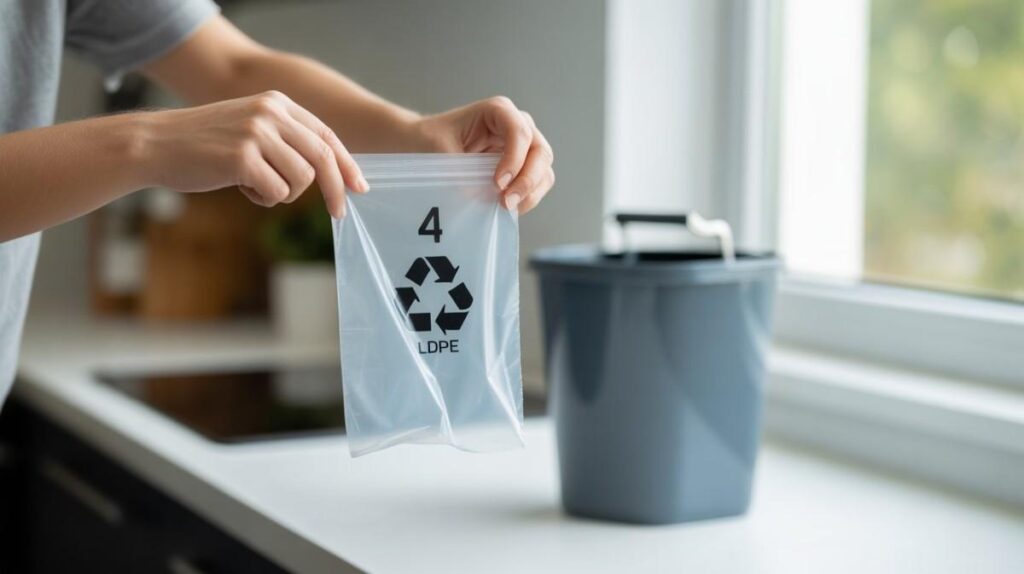
- Material Type: Look for HDPE (recycling code 2) or LDPE (code 4), which are widely recyclable.
- Cleanliness Check: Ensure the bag is clean, dry, and free of food, liquids, or adhesive labels.
- Recycling Symbols: Check for printed recycling marks that indicate if the bag can be processed.
- Local Recycling Rules: Curbside programs vary; some require store drop-off for thick bags.
- Responsible Disposal: Following these steps helps recycling facilities process materials efficiently and reduces contamination.
Thick Plastic Bags That CANNOT Be Recycled
| Section | Topic | Key Points |
|---|---|---|
| 1 | What Are Thick Plastic Bags? | – Built for strength and durability. – Thickness: usually 60–100 microns; made from HDPE, LDPE, or LLDPE. – Offers tear resistance, stretchability, and reliability. – Commonly used for garbage, packaging, industrial waste, and storage. – Note: Thickness alone doesn’t ensure recyclability; material type, cleanliness, and local recycling rules matter. |
| 2 | Are Thick Plastic Bags Recyclable? | – Recyclability depends on material, thickness, and condition. – HDPE or LDPE bags that are clean and free from food or chemicals are usually recyclable. – Multi-layer, laminated, or heavily soiled bags are often rejected. – Local rules: Some areas allow store drop-offs; curbside pickup may not. – Key point: Thickness alone isn’t enough—check material, cleanliness, and local guidelines. |
| 3 | Thick Plastic Bags That CAN Be Recycled | – Materials: HDPE and LDPE bags are usually recyclable. – Common uses: shopping, packaging, or dry household storage. – Cleanliness: Bags must be clean, dry, and free of food, liquids, or labels. – Recycling options: Many stores offer drop-off points if curbside pickup doesn’t accept them. – Environmental benefit: Properly sorted, uncontaminated bags can be made into new plastic products, reducing waste. – Key point: Using bags that meet these criteria ensures they help recycling instead of going to landfills. |
| 4 | Thick Plastic Bags That CANNOT Be Recycled | – Multi-layer, laminated, or coated bags are rejected because layers cannot be separated. – Contaminated bags: With food, liquids, or chemicals cannot be safely recycled. -Industrial and heavy-duty bags, such as those used for construction or industrial waste, or bags with adhesives or dyes, are not recyclable. – Size & weight limits: Even bags made from recyclable materials may be rejected if they are too large, heavy, or bulky for local recycling programs. – Importance: Correctly identifying non-recyclable bags prevents contamination and ensures recyclables are processed efficiently. |
Better Alternatives When Thick Plastic Bags Aren’t Recyclable
- Reuse Bags: Repurpose thick plastic bags for storage, moving, or as liners to extend their life.
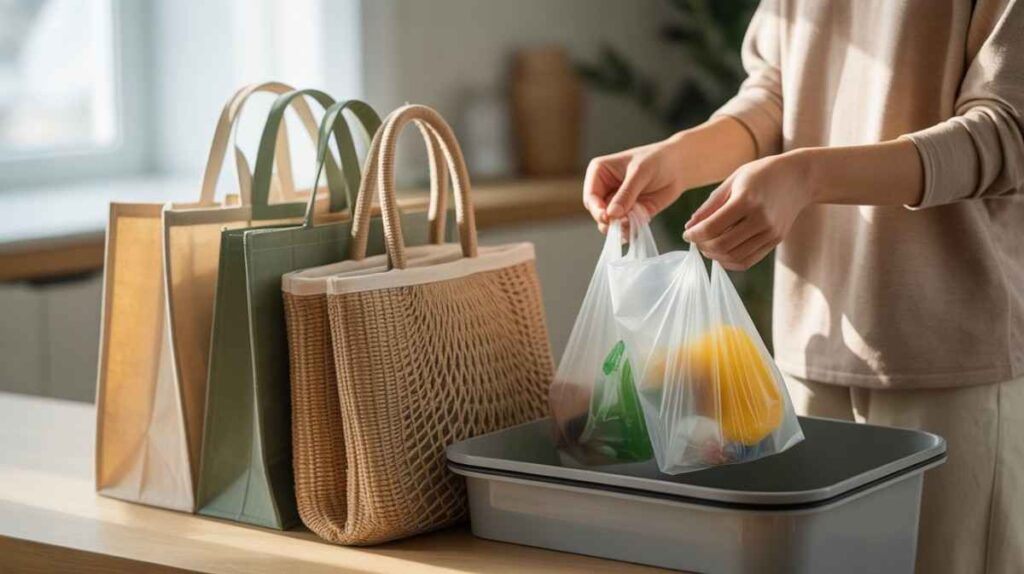
- Switch to Reusables: Choose cloth, jute, or durable recycled plastic bags as eco-friendly alternatives.
- Proper Disposal: Dispose of non-recyclable bags in landfill-safe bins to minimize environmental impact.
- Simpler Materials: Select bags with simpler materials to improve future recyclability.
- Environmental Benefit: Prioritizing reuse and responsible disposal helps reduce plastic pollution while making the most of thick plastic bags.
FAQ: Thick Plastic Bags and Recycling
- Are all thick plastic bags recyclable?
No. Only bags made from recyclable materials like HDPE or LDPE that are clean and uncontaminated can be recycled. Multi-layer or soiled bags usually cannot be processed. - Does thickness affect recyclability?
Not directly. Thicker bags are stronger and reusable, but recyclability depends on material type, contamination, and local recycling rules, not just thickness. - Can thick garbage bags be recycled?
Only if they are clean and made from recyclable plastic. Bags with food waste or chemicals are typically non-recyclable. - How do I know if a thick plastic bag is recyclable?
Check the recycling code or symbol, ensure the bag is clean and dry, and verify with your local recycling program. - Is reusing thick plastic bags better than recycling?
Yes. Reusing bags extends their life and reduces waste, especially for bags that cannot be recycled. - What should I do with non-recyclable thick plastic bags?
Reuse them if possible. Otherwise, dispose of them in regular waste bins to avoid contaminating recyclables.
Final: Thoughts on Thick Plastic Bags
- Strong and Durable: Thick plastic bags are strong, durable, and ideal for heavy or sharp items.
- Recyclability Factors: Depends on material type, cleanliness, and local recycling rules, not thickness alone.
- Responsible Choices: Knowing which bags can or cannot be recycled helps make better decisions.
- Reuse and Alternatives: Reuse thick bags or choose eco-friendly alternatives to reduce waste.
- Minimize Environmental Impact: Responsible disposal, reuse, and careful selection help reduce plastic pollution.
- Practical and Sustainable: Following these steps ensures everyday use of thick plastic bags is practical and sustainable.