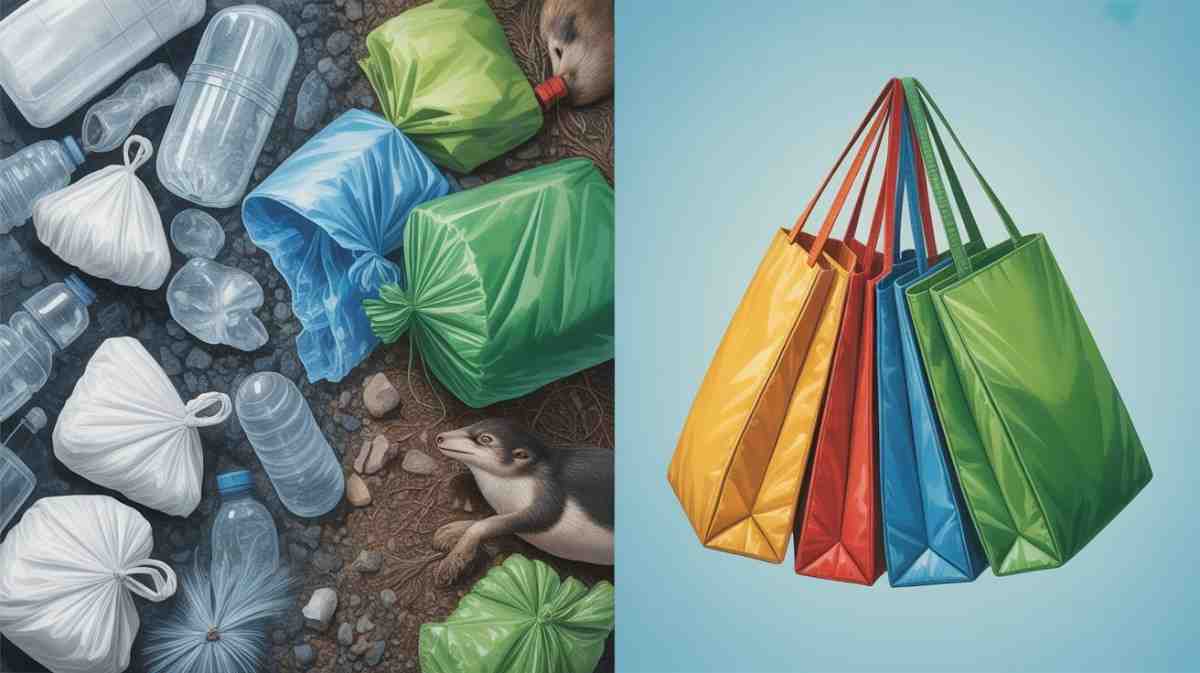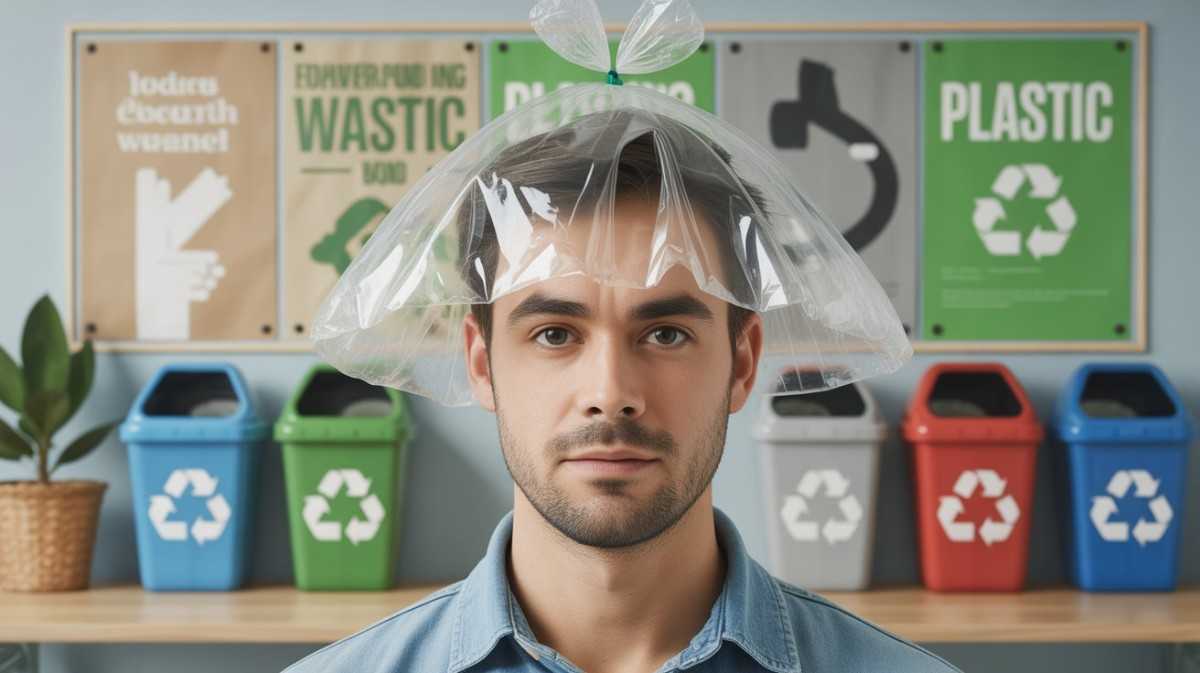
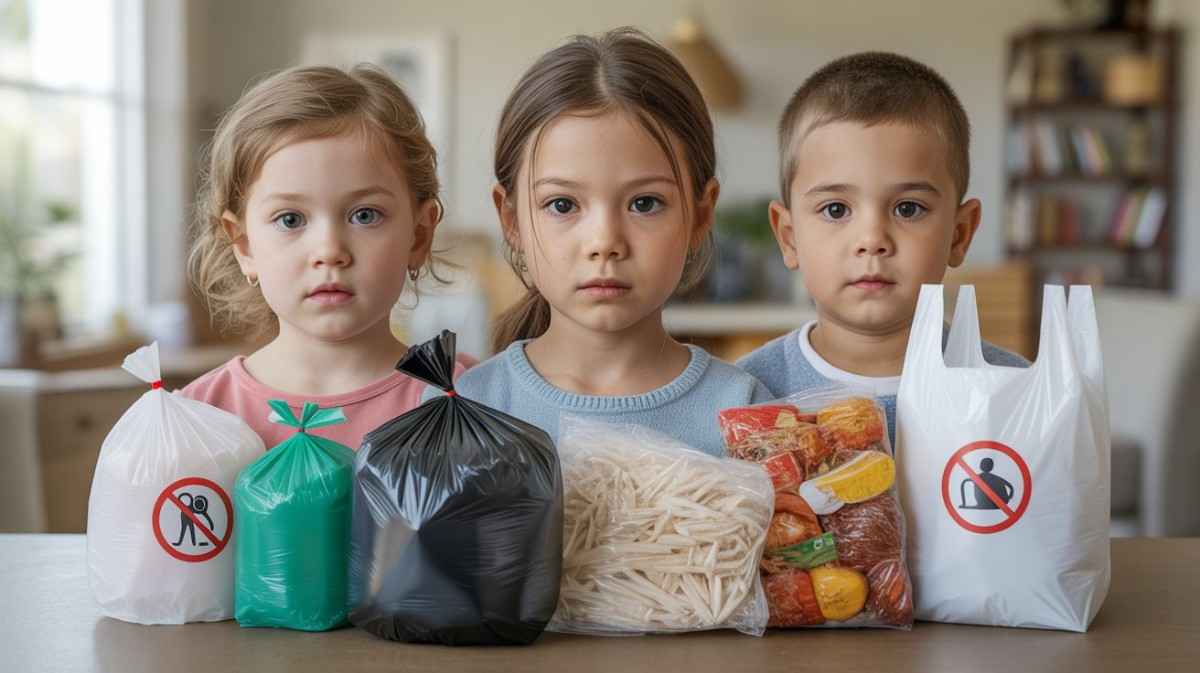
Plastic bag suffocation happens when thin carry bags, dry-cleaner bags, garbage bags, produce bags, and toy packaging block breathing—none are recyclable.
Plastic bags are used in almost every home. They are easy to carry, store, and throw away. However, some plastic bags are unsafe and should never be recycled or reused. One serious risk linked to these bags is plastic bag suffocation, which mainly affects infants and young children.
Many people focus only on recycling and forget about safety. In reality, certain plastic bags cause both environmental problems and serious health risks. Knowing which bags are unsafe helps protect families and supports proper waste disposal.
Understanding Plastic Bag Suffocation
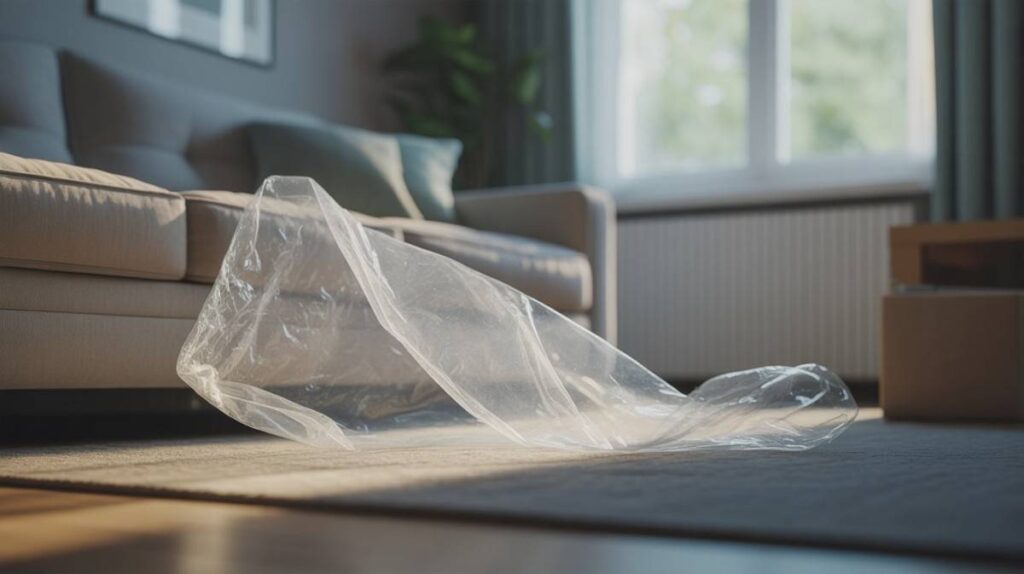
Plastic bag suffocation occurs when a plastic bag blocks breathing from the outside. Thin plastic can tightly stick to the face and cause serious breathing problems.
- Thin plastic sticks closely to the nose and mouth
- Airflow is blocked, causing airway obstruction
- Oxygen cannot reach the lungs properly
- Oxygen levels drop quickly, becoming dangerous within minutes
Why Children Are at Higher Risk
- Children cannot easily remove a bag once it covers their face
- Small size and limited strength make escape difficult
- Carbon dioxide builds up inside the bag, making breathing harder
Why Plastic Bags Are a Safety Hazard
- They create a high risk of suffocation
- Danger increases when bags are left within reach at home
- This is why plastic bags are considered a serious household safety hazard
How Risk Can Be Reduced
- Many plastic bags carry safety warning labels
- Warnings alone are not enough
- Proper handling and correct disposal are equally important
Why Recycling and Suffocation Risk Are Linked
Not all plastic bags are suitable for recycling. Many bags are too thin, too flexible, or made from mixed materials, which causes problems in recycling systems.
Why These Bags Fail in Recycling
- Thin and flexible bags jam recycling machines
- Mixed materials contaminate other recyclable waste
- Recycling facilities cannot process them properly
How This Increases Safety Risks at Home
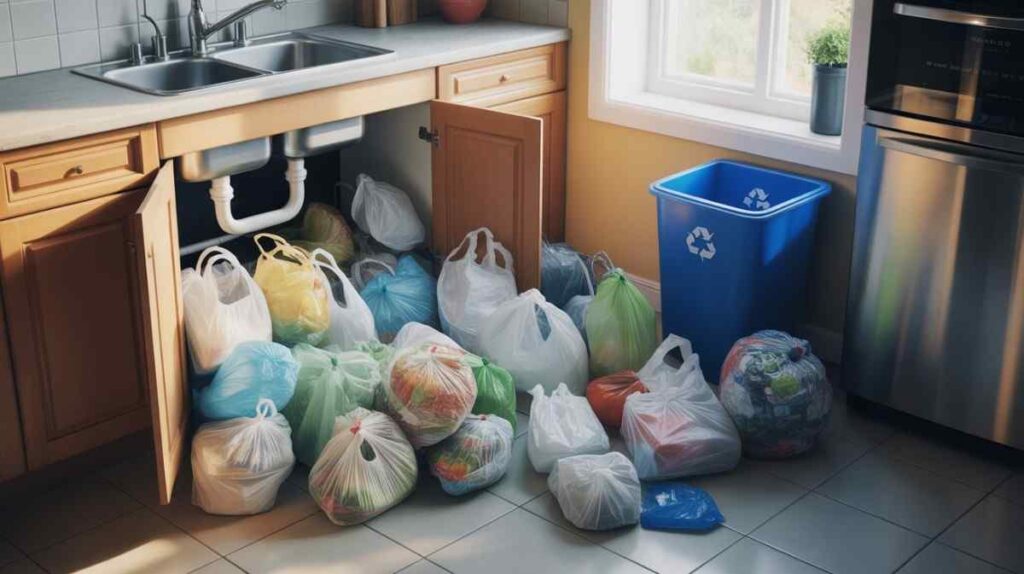
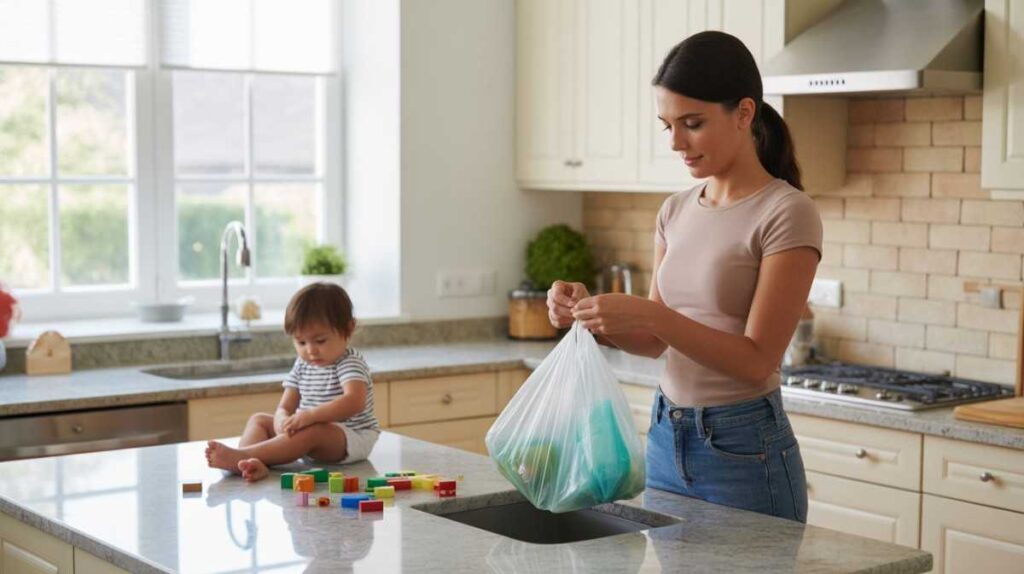
- Unrecyclable bags are often stored inside homes
- Loose bags kept in drawers or under sinks raise danger
- Bags near play areas can lead to accidental plastic bag suffocation
Why Quick Removal Matters
- Keeping these bags increases child safety risks
- Such bags should be removed from living spaces quickly
- Proper disposal lowers both recycling and safety issues
Key Insight
- Understanding the link between recycling failure and suffocation risk
- Helps families make safer and smarter disposal choices
1. Thin Grocery Plastic Bags
Thin grocery plastic bags are among the most dangerous items found in homes. They cling closely to the face and can block airflow within seconds, increasing the risk of plastic bag suffocation.
Most of these bags are made from low-quality plastic and are not accepted in standard recycling programs. Reusing them for storage or leaving them near play areas increases the danger, especially for infants and young children.
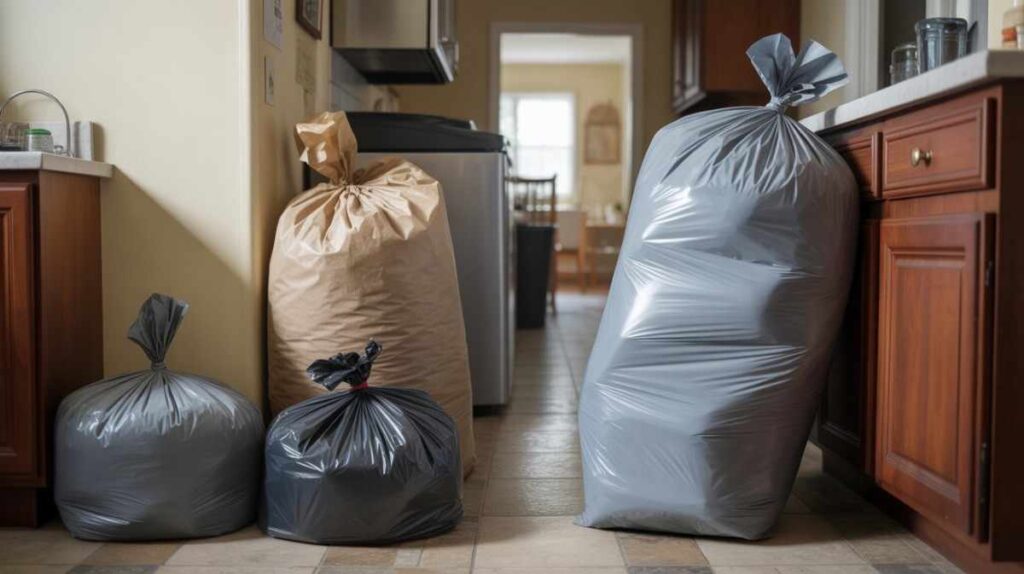
2. Garbage and Trash Bags
Garbage and trash bags are large in size and can completely cover the head. This leads to rapid oxygen loss and creates a serious suffocation risk.
Because trash bags usually contain household waste, food residue, or liquids, they are not suitable for recycling. Leaving them open indoors, even for a short time, increases infant suffocation hazards and should always be avoided.
3. Dry-Cleaning Plastic Bags
Dry-cleaning plastic bags are widely known for their safety risks. Their long and wide shape makes them especially dangerous for children.
These bags often carry suffocation warning or plastic bag safety messages, yet many people ignore them. Due to their material and size, dry-cleaning bags are not recyclable and should be discarded immediately after use.
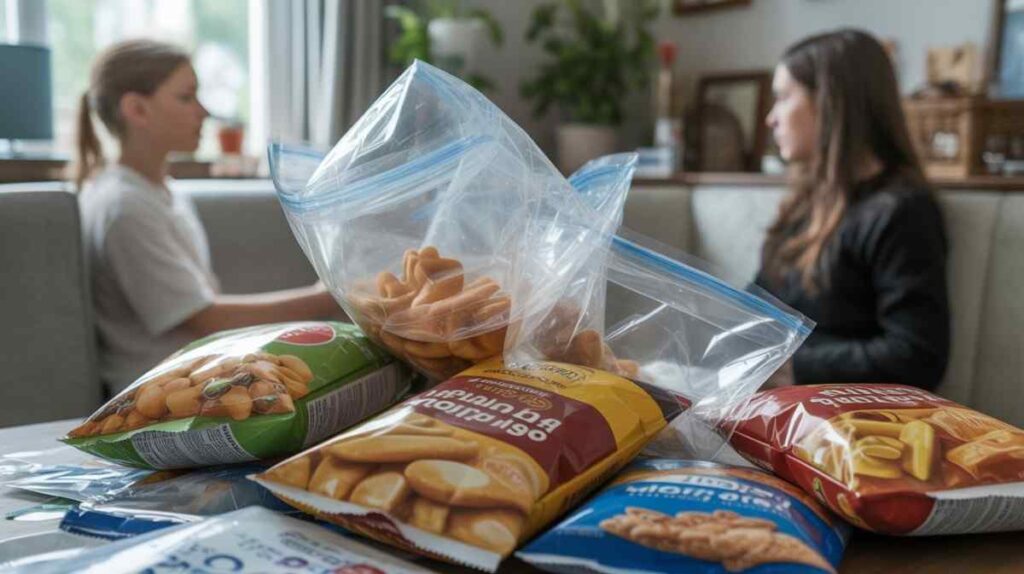
4. Snack and Food Packaging Bags
Snack and food packaging bags may look recyclable, but most are made from multiple layers of plastic. These layers cannot be separated, making recycling impossible.
They also cling tightly to the mouth and nose, increasing breathing restriction and external airway obstruction, especially during play.
5. Plastic Wrap and Stretch Film
Plastic wrap sticks easily to the skin and can quickly block airflow, making it extremely dangerous for infants and toddlers.
Stretch film is also not recyclable and should never be left within reach of children. Proper safe disposal is essential to prevent accidents.
How to Prevent Plastic Bag Suffocation
| Step | Action | Purpose / Benefit |
|---|---|---|
| 1 | Store all plastic bags in closed cabinets or on high shelves | Keeps bags out of reach of children, reduces suffocation risk |
| 2 | Never allow children to play with plastic bags | Prevents accidental suffocation |
| 3 | Knot or cut bags before disposal | Stops bags from forming a seal and blocking airflow |
| 4 | Follow local recycling rules | Ensures only accepted materials are recycled and unsafe bags are kept out of living areas |
| 5 | Keep unsafe plastic bags out of living spaces | Reduces both safety risks and environmental damage |
Why Recycling Symbols Don’t Mean Safe or Recyclable
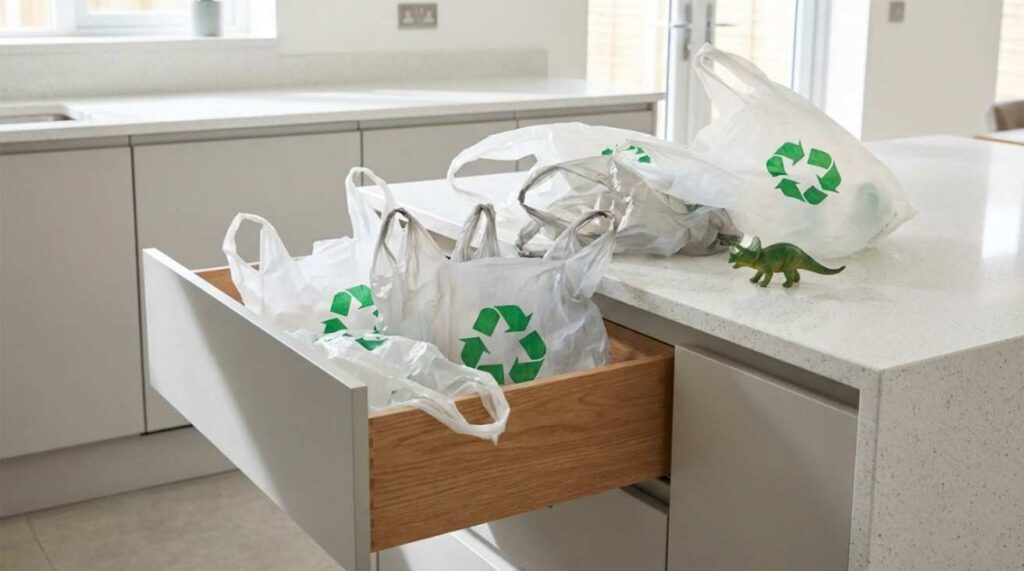
What a Recycling Symbol Really Means
- A recycling symbol only shows the type of plastic material used.
- It does not mean the bag is safe to reuse at home.
- It also does not guarantee the bag is accepted in recycling programs.
Why This Confuses People
- Many people assume a symbol means the bag is safe and recyclable.
- Because of this belief, bags are stored and reused repeatedly.
- This increases plastic bag suffocation risk, especially for children.
Safety Risks Linked to Symbol-Marked Bags
- Thin plastic bags cling easily to the face.
- They can cause breathing obstruction and airway blockage.
- Children cannot remove these bags on their own, making them a serious household safety hazard.
Recycling Reality of These Bags
- Most thin or stretchy bags cannot be recycled in normal bins.
- They jam recycling machines and contaminate other recyclable items.
- Even with a recycling symbol, these bags often end up in landfills or open waste areas.
The Safer and Smarter Choice
- Do not rely on symbols alone when deciding what to recycle.
- Follow local recycling rules carefully.
- Remove unsafe plastic bags from living spaces to reduce suffocation hazards.
- Proper disposal protects both people and the environment.
FAQs: Plastic Bag Safety & Recycling
Can plastic bags cause suffocation?
Yes. Plastic bags can block airflow and cause oxygen loss within minutes.
Are all plastic bags recyclable?
No. Many thin or mixed-material bags are not recyclable.
Why are plastic bags dangerous for children?
Children often cannot remove bags easily, which may lead to rapid oxygen loss.
Is suffocation the same as choking?
No. Choking blocks air inside the throat, while suffocation blocks breathing from the outside.
How can this risk be reduced at home?
Store plastic bags safely, dispose of them properly, and keep them out of children’s reach.
Final Thoughts
Plastic bags may seem harmless, but some pose serious safety risks and are not recyclable. Knowing which bags are unsafe helps protect children and supports responsible waste management. Small changes in handling and disposal can prevent serious accidents.