Reusable vs plastic bags explained with shocking recycling facts. Plastic bags mostly fail recycling, reusable bags reduce waste and pollution.
Reusable vs Plastic Bags: What Are They?
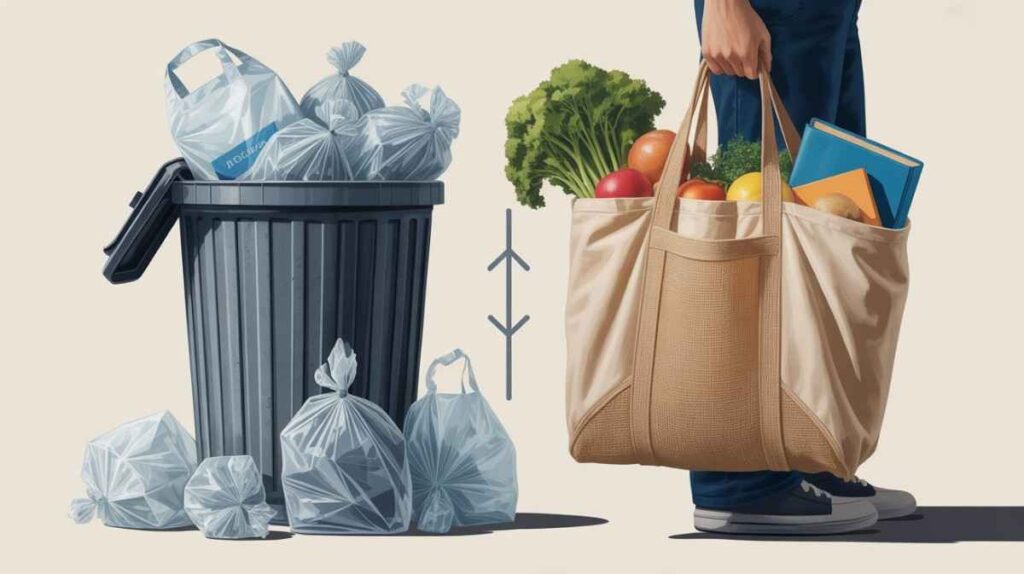
When comparing reusable bags and plastic bags, the main difference is how they are used and discarded.
Plastic bags are usually single-use plastic bags. They are thin, lightweight, and meant for one-time use. After shopping, most plastic bags are thrown away. Even when placed in recycling bins, they often do not get recycled.
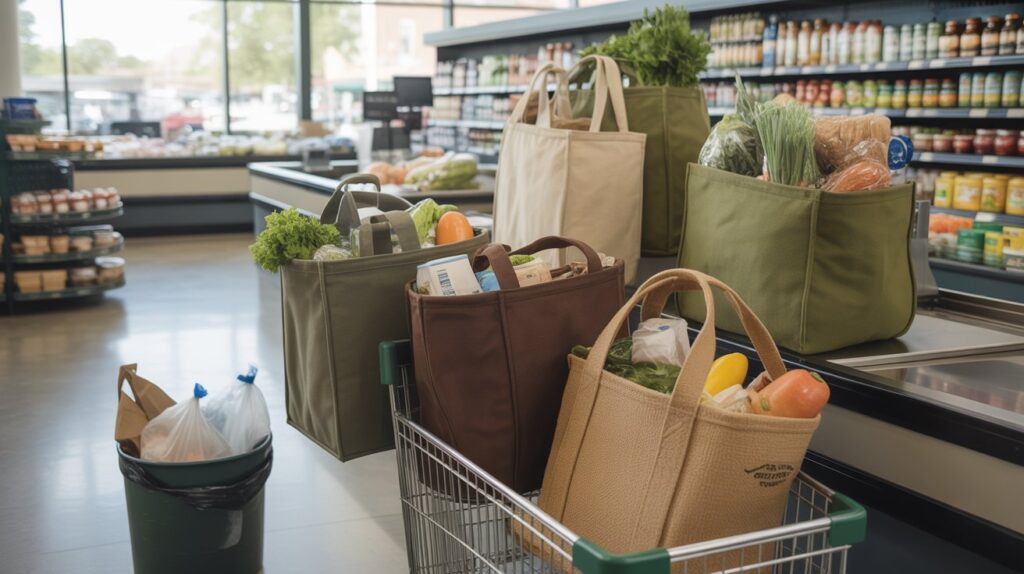
Reusable bags are strong bags designed to be used many times. They are made from materials such as cotton reusable bags, non-woven polypropylene bags, or recycled PET bags. These bags can carry heavy items and last for years.
This basic difference helps explain which type of bag supports waste reduction and recycling more effectively.
Fact 1: Plastic Bags Are Mostly Not Recyclable
One shocking truth in reusable vs plastic bags is that most plastic bags cannot be recycled in normal recycling systems.
Plastic bags:
- Get stuck in recycling machines
- Are rejected by recycling facilities
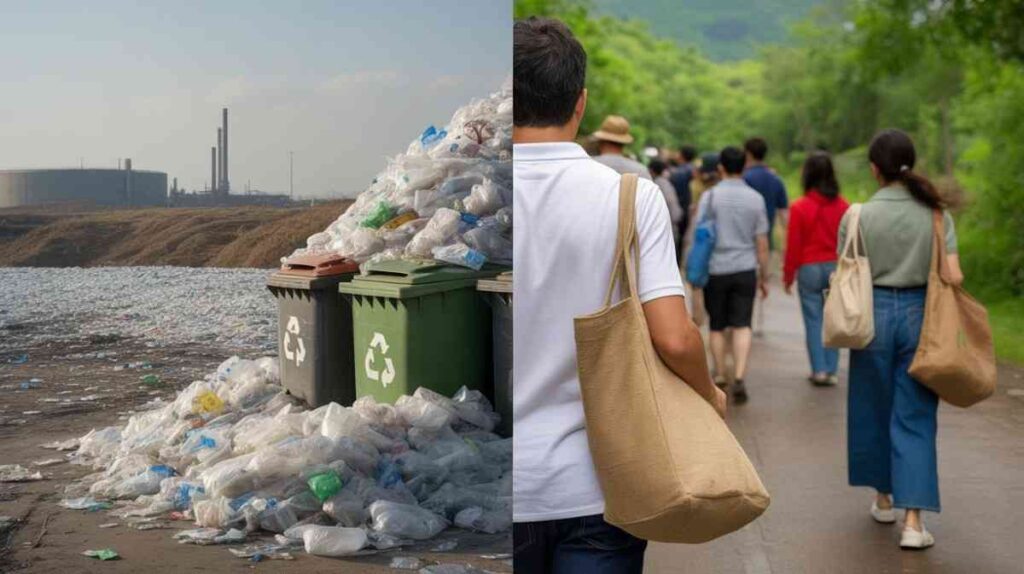
- End up in landfills or natural environments
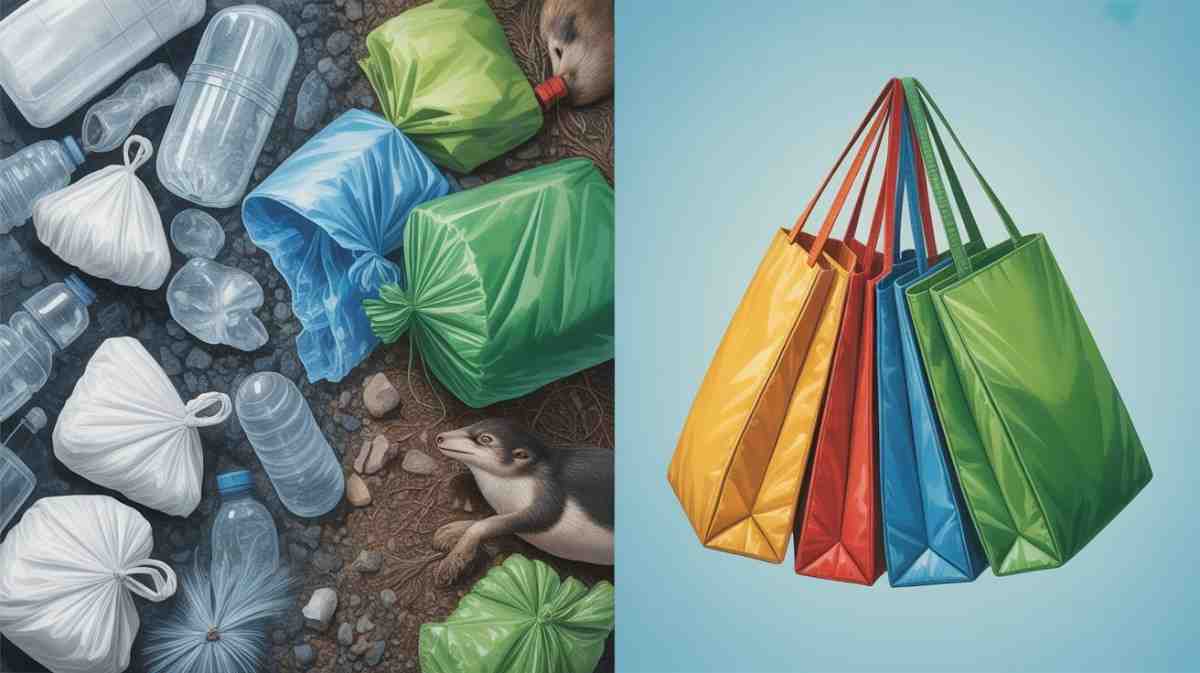
Even bags marked “recyclable” are rarely recycled correctly. This leads to serious plastic pollution and increases marine pollution, harming animals and birds.
Clear answer: plastic bags are mostly not recyclable.
Fact 2: Reusable Bags Reduce Waste Before Recycling Is Needed
Recycling should be the last step, not the first.
Using reusable shopping bags reduces waste at the source. One reusable bag can replace many plastic bags. This helps reduce:
- Trash volume
- Pollution
- Pressure on recycling systems
In the reusable vs plastic bags comparison, reusable bags are better because reusing works better than recycling.
Fact 3: Plastic Bags Create Microplastics
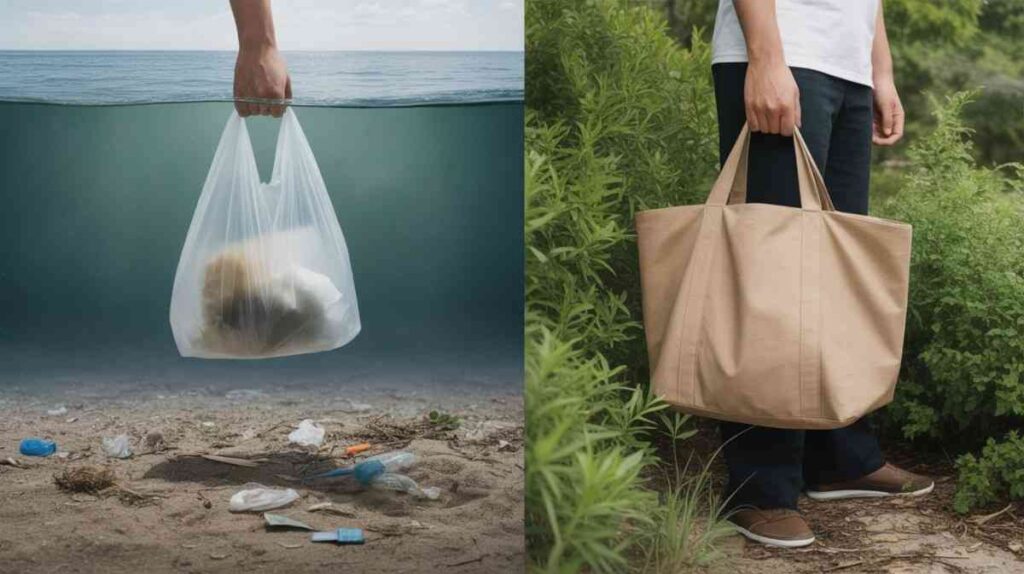
Plastic bags never fully disappear. Over time, they break into tiny pieces called microplastics.
These microplastics:
- Mix with soil and water
- Enter the food chain
- Harm fish and wildlife
This is a serious environmental impact of plastic bags. Recycling cannot remove microplastics once they spread into nature.
Reusable bags do not cause this long-term damage.
Fact 4: Reusable Bags Are Better Over Their Lifetime
Some people say reusable bags need more energy to produce. This is true, but only once.
When reusable bags are used again and again, their carbon footprint per use becomes very low. This is known as a life cycle assessment.
In simple words:
- Plastic bag → short use, long pollution
- Reusable bag → long use, less waste
This makes reusable bags an important part of sustainable shopping.
Fact 5: Recycling Alone Cannot Fix Plastic Bag Pollution
Recycling plastic bags may seem helpful, but in reality, it does not solve the problem.
Plastic bag recycling rates are very low. That is why many countries implement plastic bag bans and fees. Recycling systems cannot process plastic bags properly.
The best solution is:
- Reduce plastic use
- Reuse strong bags
- Recycle only what is truly recyclable
This supports eco-friendly bags and genuine environmental protection.
Why Recycling Labels on Plastic Bags Confuse People
Recycling Symbols Create False Hope
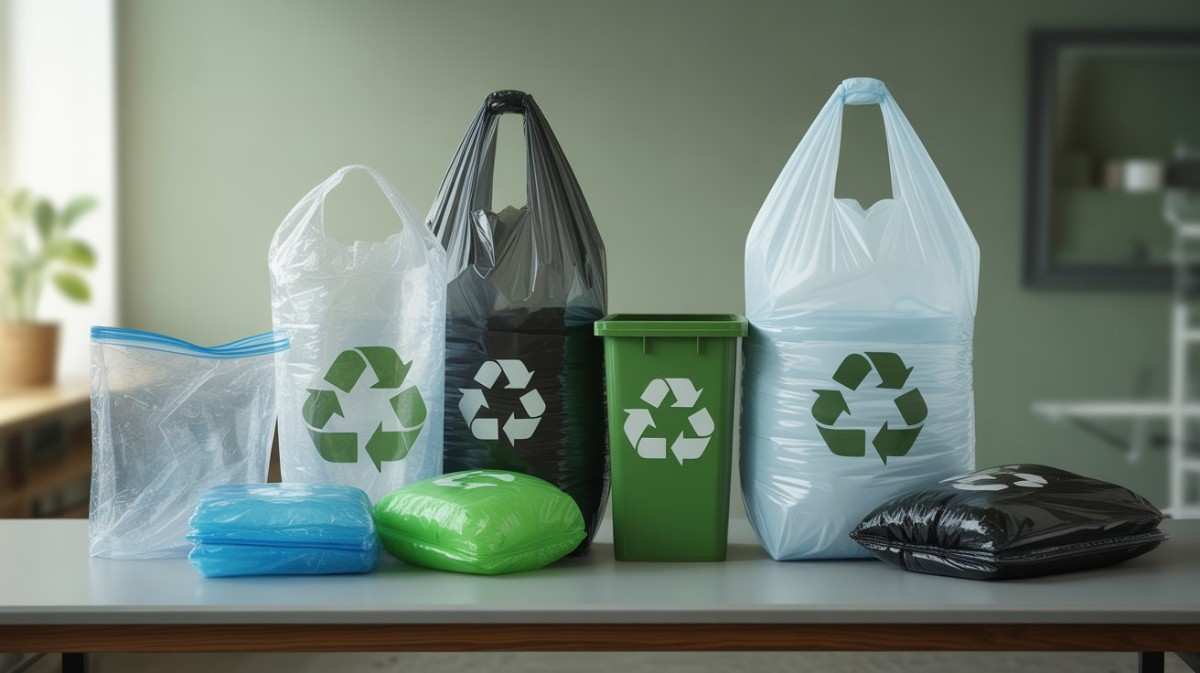
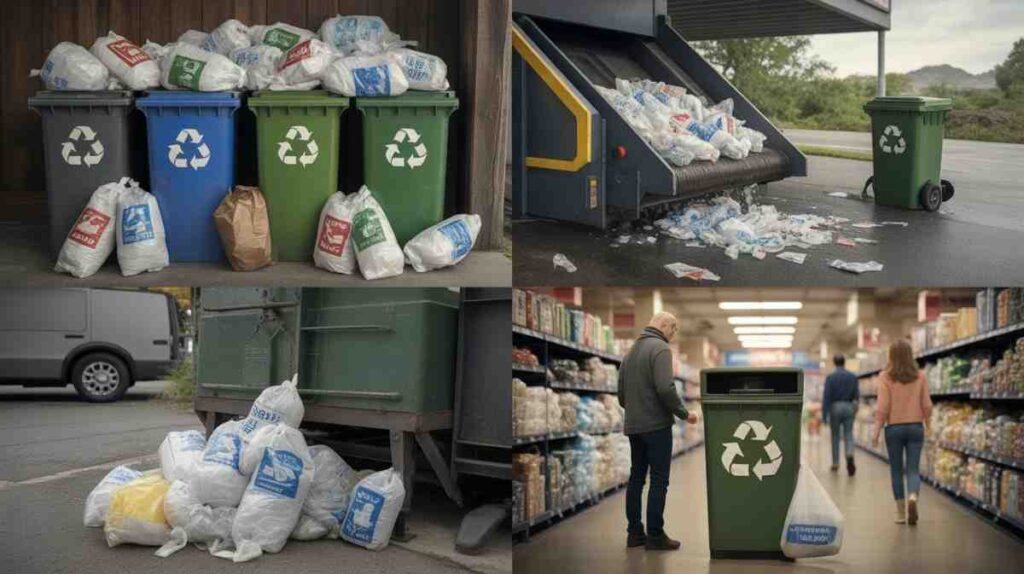
Many plastic bags display recycling symbols, but these symbols only indicate the plastic type, not actual recyclability.
Most people assume the bag will be recycled, but in reality, it usually is not.
Plastic Bags Fail in Recycling Centers
Plastic bags often clog recycling machines.
Sorting lines slow down or stop, and bags are removed, ending up in landfills or being burned.
Store Drop-Off Confusion
Some plastic bags require special store drop-off recycling.
Most users are unaware of this, and placing bags in home bins causes recycling contamination.
How This Increases Plastic Pollution
Recycling batches get rejected, sending more waste to landfills.
Instead of reducing it, plastic pollution increases.
Why Reusable Bags Are the Better Choice
Reusable shopping bags do not rely on confusing labels.
They can be used again and again, supporting waste reduction and sustainable shopping.
Key Takeaway
Recycling labels on plastic bags can mislead users.
In the reusable vs plastic bags debate, reusable bags are the safer and smarter choice.
FAQs: Reusable vs Plastic Bags
Are reusable bags better than plastic bags?
Yes. Reusable bags reduce waste, last longer, and help lower plastic pollution.
Can plastic bags be recycled at home?
No. Most plastic bags cannot be recycled in home recycling bins.
Do reusable bags need cleaning?
Yes. Washing reusable bags keeps them clean and safe for food use.
Why are plastic bags harmful to the environment?
Plastic bags cause pollution, harm animals, and produce microplastics.
Which bag supports recycling efforts more?
Reusable bags support recycling by reducing waste before recycling is needed.
Conclusion: Which Bag Is the Better Choice?
The answer in the reusable vs plastic bags debate is clear.
Plastic bags are mostly not recyclable and cause long-term pollution. Recycling alone cannot solve this problem.
Reusable bags reduce waste, protect nature, and support a cleaner environment.
For recycling awareness and environmental safety, reusable bags are the smarter and better choice.