Plastic bags for plants are mostly NOT recyclable in normal bins due to soil contamination. Get clear facts and safe reuse options here.
Many people use plastic bags for plants in home gardens and nurseries, but one common question often comes up: are plastic bags for plants recyclable or not? There isn’t a simple yes or no answer. It depends on the type of plastic used, its condition after use, and local recycling rules. This article explains the real facts in simple words so anyone can easily understand.
Fact 1: Plastic Bags for Plants Are Made from Recyclable Plastic
- Most plastic bags for plants are made from LDPE (Low-Density Polyethylene) or HDPE (High-Density Polyethylene).
- These plastics are classified as recyclable materials.
- They are also commonly used in bottles, containers, and packaging.
- In theory, this means plastic grow bags and nursery plastic bags can be recycled.
- However, recycling only works when the material meets certain requirements.
- Being made from recyclable plastic alone does not guarantee it will be recycled.
Fact 2: Dirty Plastic Bags for Plants Usually Cannot Be Recycled
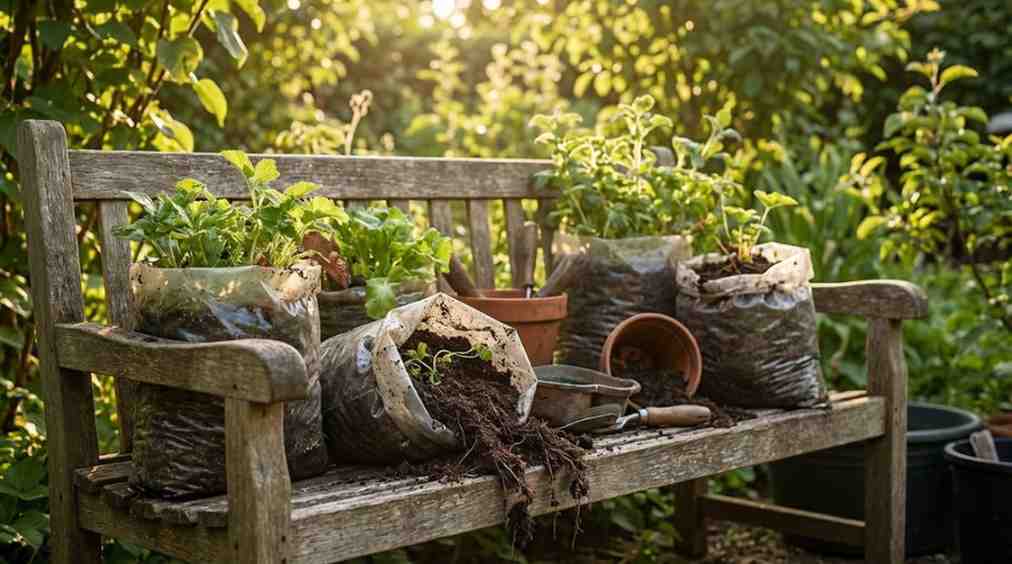
- The biggest issue with plastic bags for plants is soil contamination.
- After use, these bags are often covered with soil, roots, and fertilizer residue.
- Recycling machines cannot handle dirty plastic materials.
- Most recycling centers reject plant grow bags that are not clean and dry.
- Because of this, many plastic planting bags end up in landfills.
- This happens even though the plastic material itself is recyclable.
Fact 3: Black Plastic Grow Bags Are Hard to Recycle
- Many plastic bags for plants are black in color.
- Black plastic is difficult for sorting machines to identify.
- This makes black plastic harder to recycle.
- Even clean black nursery bags for plants are often ignored by recycling facilities.
- This makes black plastic grow bags one of the least recycled garden items.
Fact 4: Local Recycling Rules Decide Everything
- Whether plastic bags for plants are recyclable mostly depends on local recycling systems.
- Some areas accept agricultural plastic, while others do not accept plastic bags at all.
- Many cities require people to take plastic plant bags to special drop-off points.
- Without proper recycling facilities, recyclable plastic still ends up as waste.
Fact 5: Reuse Is Better Than Recycling
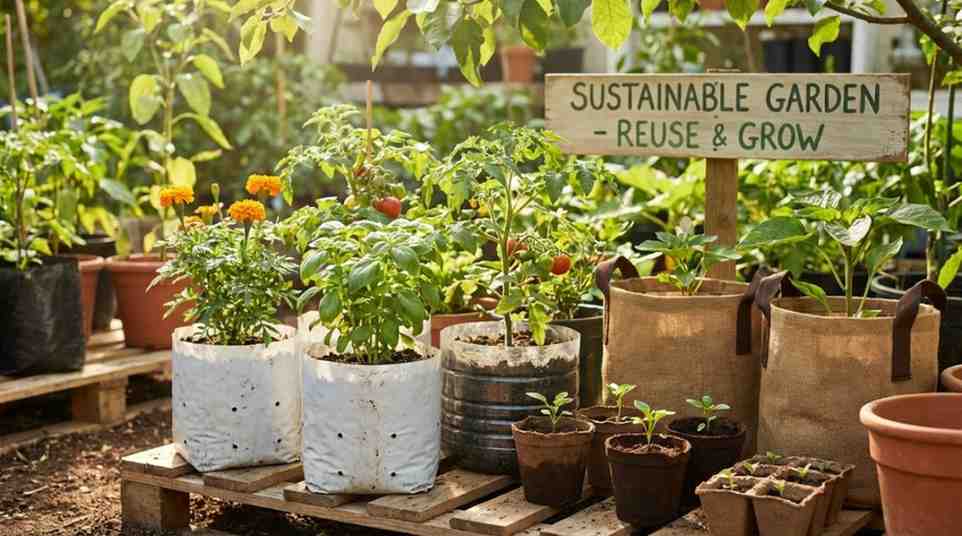
- When recycling is not possible, reusing plastic bags for plants is the better choice.
- Reuse helps reduce plastic waste and conserves resources.
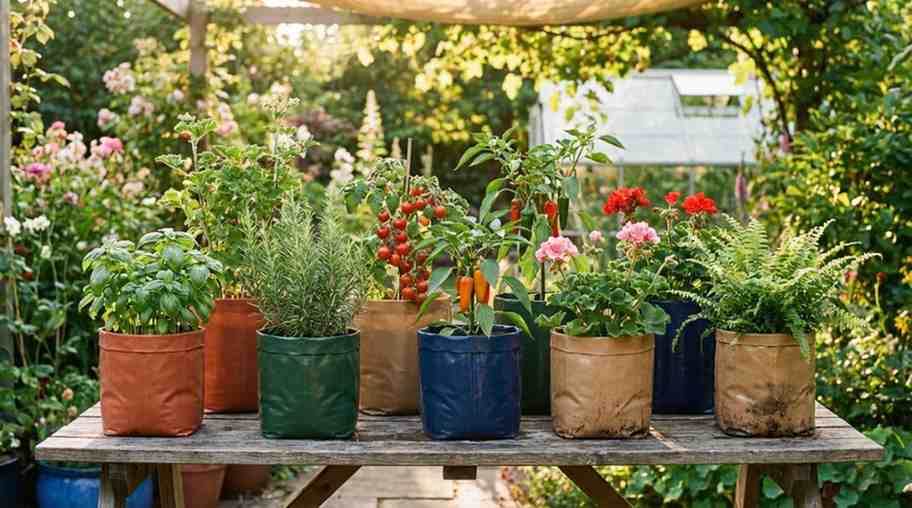
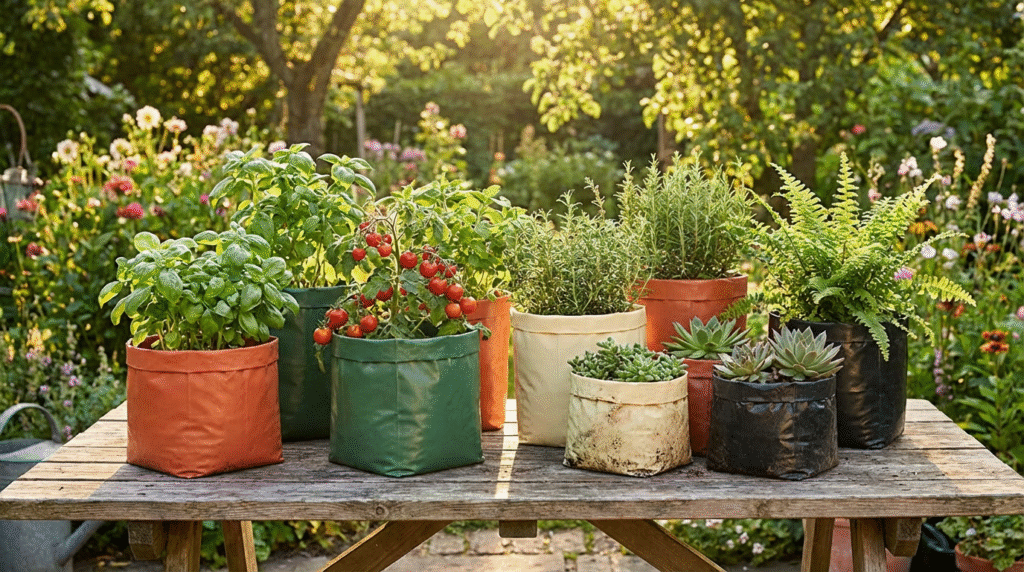
- For long-term use, eco-friendly plant containers, fabric grow bags, and biodegradable grow bags are safer for the environment.
Recycling Symbols & Plastic Codes for Plastic Bags for Plants
| Plastic Code / Symbol | Plastic Type | Used in Plastic Bags for Plants | Recyclable in Normal Bins? | Clear Explanation |
|---|---|---|---|---|
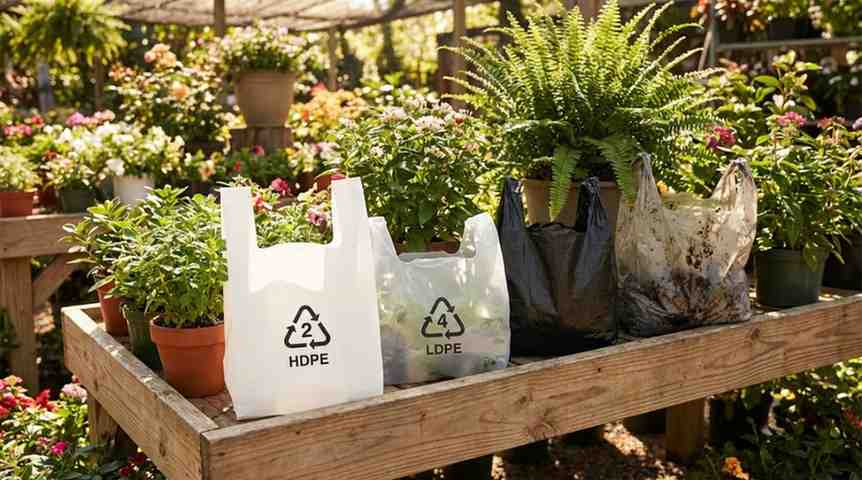
| #2 (HDPE) | High-Density Polyethylene | Some nursery plastic bags | Mostly No | Recyclable plastic, but usually rejected due to soil and dirt |
| #4 (LDPE) | Low-Density Polyethylene | Most plastic grow bags | Mostly No | Flexible plastic, but recycling centers require it to be very clean |
| No Symbol | Unknown plastic | Many cheap plant bags | No | Recycling centers cannot identify the plastic type |
| Black Plastic | LDPE or HDPE | Common nursery bags | No | Sorting machines cannot detect black plastic |
| Clean & Dry Bag | HDPE / LDPE | Reused plant bags | Sometimes | Only accepted in special recycling facilities |
Benefits and Risks of Using Plastic Bags for Plants (Recycling View)
Advantages
- Plastic bags for plants can be reused, helping to reduce plastic waste.
- Reuse lowers the burden on recycling systems.
- Using existing plastic is better than discarding it.
- Suitable for temporary plant use before proper disposal.
Risks
- Soil and roots on plastic bags for plants make recycling difficult.
- Old plastic can break down into microplastics in soil.
- Black plastic bags are rarely recycled.
- Burning or dumping plastic causes environmental harm.
FAQ – Plastic Bags for Plants
Are plastic bags for plants recyclable?
Yes, they are made from recyclable plastic, but dirt and soil often prevent them from being recycled.
Can I recycle dirty plastic grow bags?
No. Recycling centers usually accept only clean and dry plastic.
Are nursery plastic bags recyclable everywhere?
No. Recycling rules differ by location.
Is it safe to reuse plastic bags for plants?
Yes, if they have drainage holes and are still in good condition.
What is the best alternative to plastic planting bags?
Fabric grow bags, biodegradable pots, and terracotta containers are better gardening options.
Conclusion
Plastic bags for plants are recyclable in material, but in practice, they are often not recycled due to dirt, black color, and local recycling limits. Reusing them is a short-term solution, but switching to sustainable gardening containers is the best long-term choice.
Understanding these facts helps reduce plastic waste and protects the environment.