Plastic bag hat is usually not recyclable because it becomes contaminated. These 5 facts explain when reuse works and recycling does not.
What Is a Plastic Bag Hat?
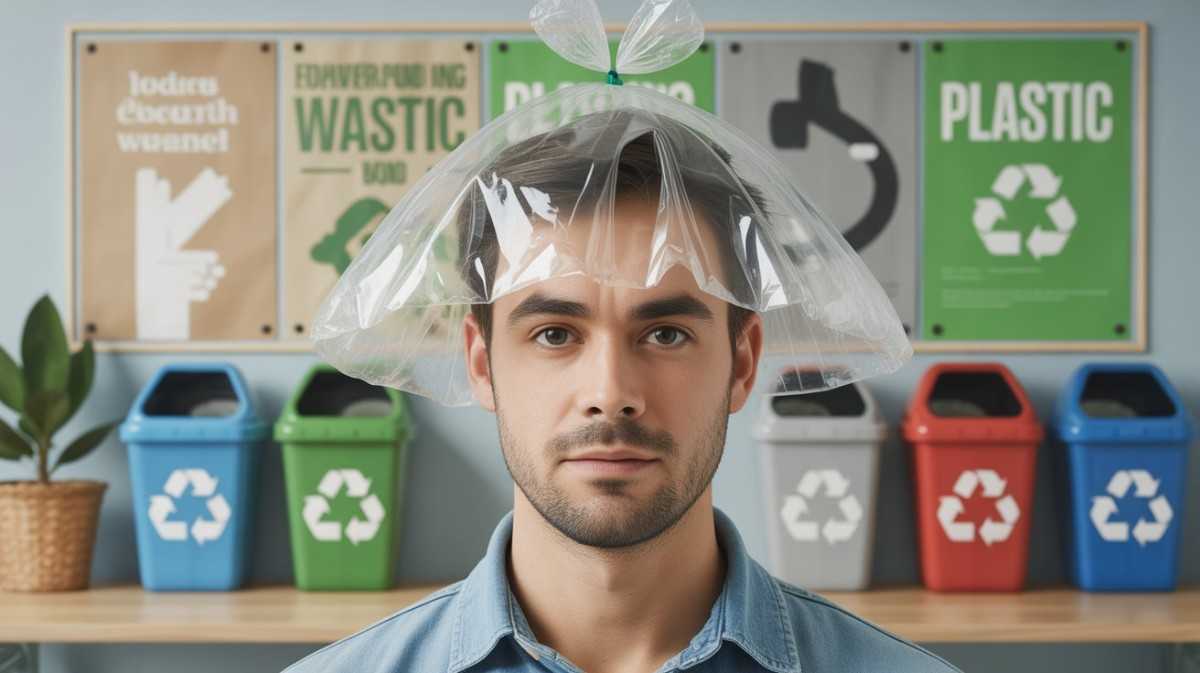
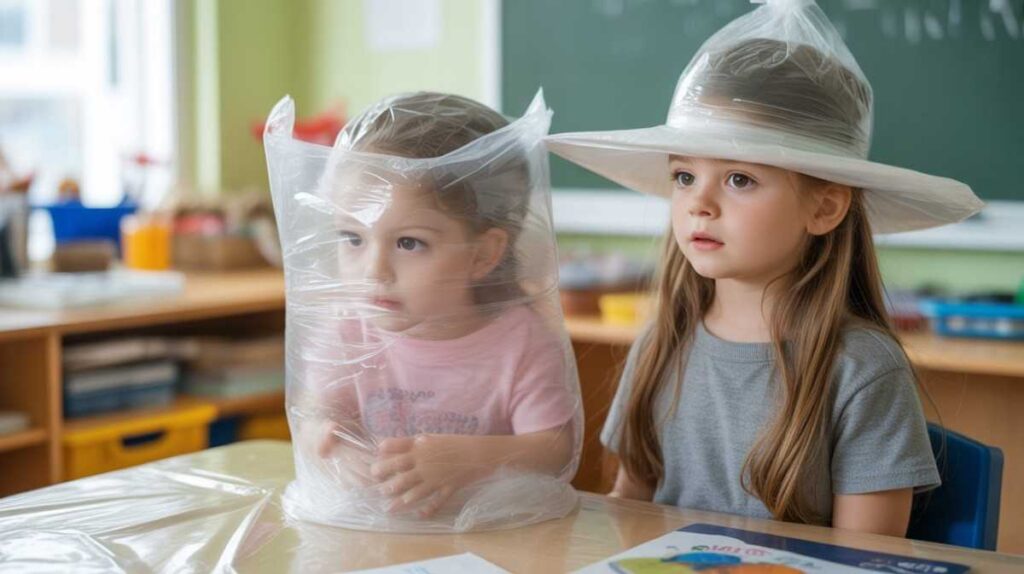
A plastic bag hat is a simple, temporary head covering made by reshaping a standard plastic shopping bag. It is mostly used in:
- DIY crafts and school projects – A fun way to create art and practice recycling.
- Costume design and experimental fashion – Often used for quirky or creative outfits.
- Sustainability demonstrations – Highlights the issue of plastic waste and encourages reuse.
Key features of a plastic bag hat:
- No fixed structure – Unlike regular hats, it is flexible and short-term.
- Lightweight and temporary – Not meant for long-term wear or comfort.
- Environmentally conscious – Promotes discussions about reusing or recycling plastics.
Since it’s made from thin plastic, consider airflow, wear time, and disposal options carefully.
Advantages of Using a Plastic Bag Hat
| Advantage of a Plastic Bag Hat | Description |
|---|---|
| Encourages Creative Reuse | Turns ordinary plastic bags into fun, imaginative projects. |
| Illustrates Recycling Limits | Helps learners understand what can and cannot be recycled. |
| Raises Environmental Awareness | Sparks conversations about plastic waste and sustainability. |
| Cost-Effective Craft | Requires no extra materials or expenses to make. |
| Supports Hands-On Learning | Provides a practical tool for interactive education and discussion. |
Types of Plastic Bag Hats and Their Purpose
Plastic bag hats come in different forms, each made for a specific reason:
- Educational and Craft Hats – Students often make simple plastic bag hats to explore recycled crafts or promote environmental awareness. These are usually minimal and worn briefly.
- Costume and Performance Hats – In theater, fashion, or performances, plastic bag hats are used for visual impact and creative expression.
- Experimental Fashion Hats – Designers experiment with plastic bags to highlight consumer habits and material waste in innovative ways.
- Improvised Rain Hats – Some use plastic bags as quick head coverings during rain, but this is not recommended for safety reasons.
Each type shows creativity, resourcefulness, and sustainability awareness.
Fact 1: A Plastic Bag Hat Isn’t Always Recyclable
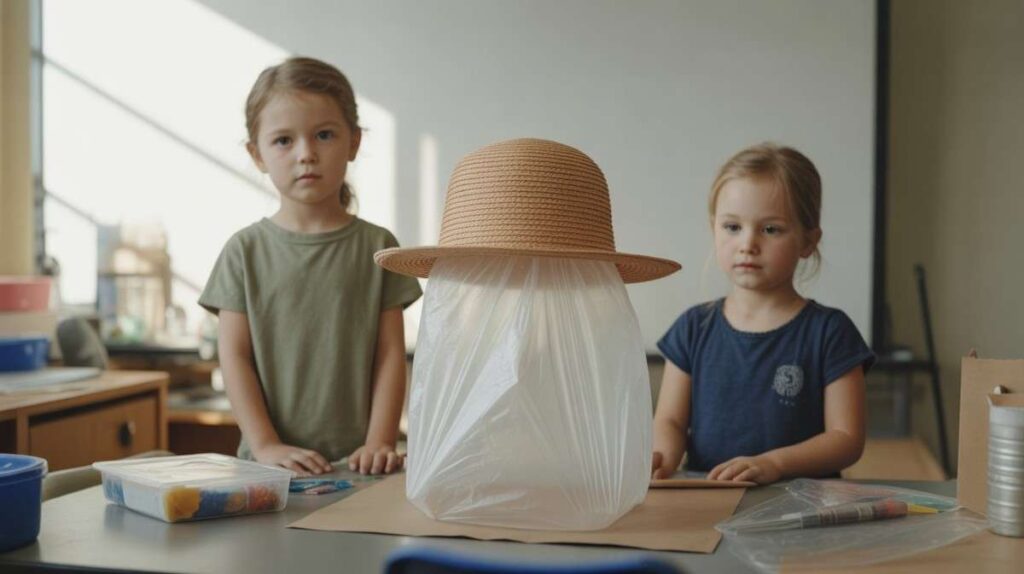
Plastic bag hats may seem eco-friendly, but recycling isn’t always possible. Key points:
- Modified Bags Can’t Be Recycled – Cutting, painting, taping, or combining a bag with other materials often makes it unsuitable for recycling.
- Contamination Blocks Processing – Decorations, glue, or ink can prevent recycling facilities from properly handling the material.
- Know Local Rules – Even recyclable bags can lose their recyclability when turned into crafts. Always check local recycling guidelines before disposal.
Being aware of this helps you make smarter and more sustainable choices when reusing or crafting with plastic bags.
Fact 2: Reuse Is Often More Eco-Friendly Than Recycling
Reusing plastic bag hats can have a bigger environmental impact than recycling. Key points:
- Extend the Life of Materials – Hats made for school projects or events can be reused multiple times, reducing the need for new plastic.
- Save Energy – Reuse avoids the energy and resources required for recycling processes.
- Ideal for Short-Term Use – For creative or educational purposes, reusing is often the most practical and responsible option.
Choosing reuse helps reduce waste and promotes sustainable habits in everyday activities.
Fact 3: Recycling Depends on Local Facilities
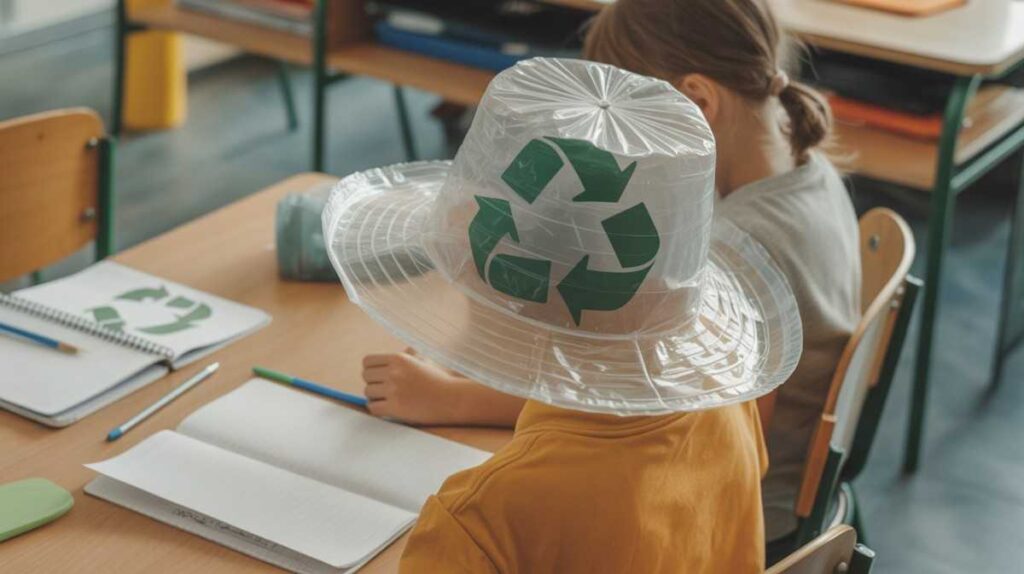
Recycling a plastic bag hat isn’t always straightforward—it depends on your local system. Key points:
- Curbside Programs Often Don’t Accept Bags – Many municipal recycling programs reject plastic bags, requiring special drop-off locations.
- Only Clean, Unaltered Bags Can Be Recycled – Once a bag is cut, painted, or crafted, it may no longer qualify for recycling.
- Check Local Guidelines – Knowing your area’s recycling rules helps prevent contamination and reduce unnecessary waste.
Understanding local recycling rules ensures responsible disposal and better environmental impact.
Fact 4: Safety and Recycling Are Closely Connected
Using plastic bag hats safely also affects how they can be recycled. Key points:
- Limited Airflow – Plastic bags restrict airflow, making extended wear unsafe.
- Alterations Affect Recycling – Modifications for ventilation or comfort can reduce recyclability.
- Responsible Use – Hats made for education or awareness should be worn briefly and disposed of carefully.
Prioritizing safety ensures both user protection and environmentally responsible handling of plastic bag crafts.
Fact 5: Educational Value Matters More Than the Material
Even if recycling isn’t always possible, plastic bag hat projects offer meaningful lessons. Key points:
- Understand Recycling Limits – They teach the realities of what can and cannot be recycled.
- Encourage Mindful Use – Promote thoughtful consumption and reduce unnecessary waste.
- Support Environmental Learning – Spark conversations about plastic waste, reuse, and long-term impact.
Focusing on education ensures these crafts provide lasting value beyond the material itself.
Risks and Limitations of a Plastic Bag Hat
| Risks and Limitations of a Plastic Bag Hat | Description |
|---|---|
| Restricted Airflow | Wearing the hat for too long can create breathing hazards. |
| Not Suitable for Extended Use | Unsuitable for long-term or unsupervised wear. |
| Limited Recycling Options | Once modified, the bag often cannot be recycled. |
| Needs Supervision for Children | Adult guidance is important to ensure safety. |
| Potential to Become Waste | Without planning for reuse, the hat may end up discarded. |
Understanding the Lifecycle of a Plastic Bag Hat After Reuse
Reusing a Plastic Bag Hat affects its environmental impact throughout its lifecycle. Key points:
- Material Changes During Use – Cutting, shaping, or adding materials can reduce recyclability.
- Plan Ahead – Considering reuse, recycling, and disposal in advance leads to better environmental outcomes.
- Maximize Reuse – Using the hat multiple times for education or awareness increases its value.
- Responsible Disposal – When reuse is no longer possible, follow local waste guidelines instead of assuming it can be recycled.
- Lifecycle Awareness – Treating reuse, recycling, and disposal as connected steps supports smarter waste management.
This ensures a thoughtful, sustainable approach to using plastic bag crafts.
Frequently-Asked Questions About a Plastic Bag Hat
- Can it be recycled after use?
Most modified plastic bag hats cannot be recycled through standard programs. Only clean, unaltered bags have better recycling potential. - Is it environmentally friendly?
Not inherently, but it can support sustainability education when used for reuse and awareness projects. - Is it safe for children?
Only when supervised and for short periods. Safety should always come first. - Why is reuse recommended over recycling?
Reuse extends the material’s life and avoids the energy cost of recycling, especially where facilities are limited. - Why do schools use it in projects?
It helps students understand plastic waste, reuse concepts, and recycling limits.
Conclusion
A Plastic Bag Hat teaches important lessons about plastic waste and responsible use. Key points:
- Reuse Over Recycling – Extends material life and reduces unnecessary waste.
- Educational Value – Encourages awareness, creativity, and hands-on learning.
- Promotes Thoughtful Decisions – Helps guide better choices about plastic consumption and waste management.
Handled thoughtfully, a Plastic Bag Hat becomes more than just a craft—it’s a practical tool for learning, sustainability, and creative reuse.