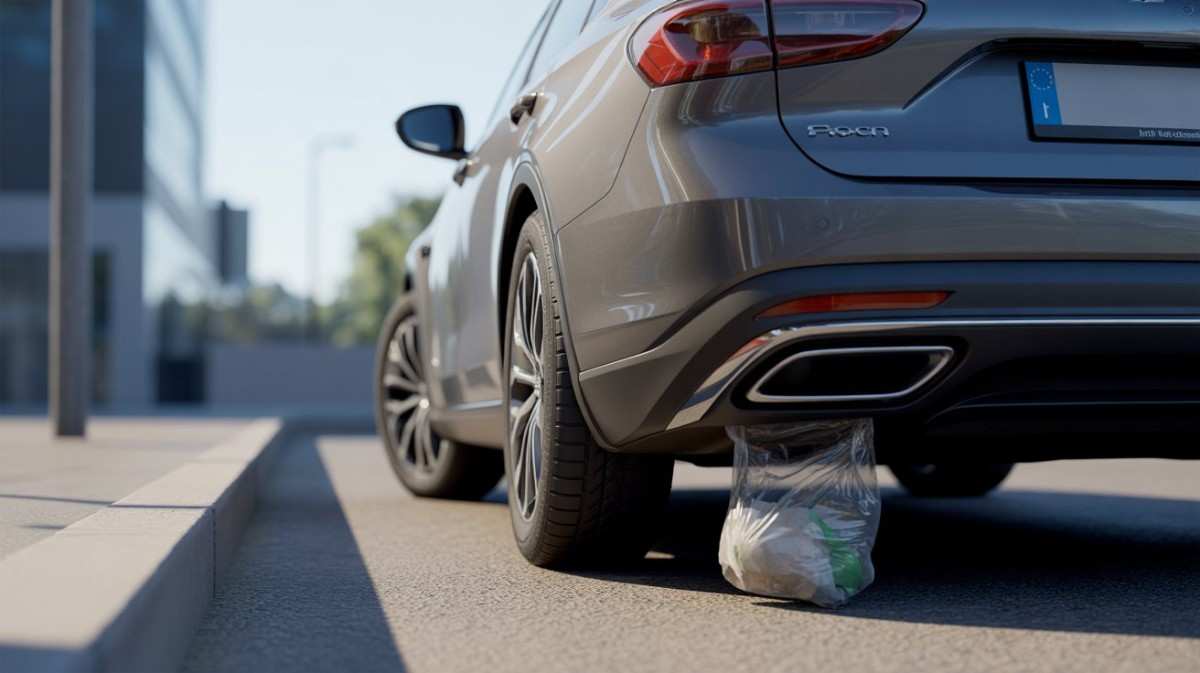
Plastic Bag Stuck Under Car is usually non-recyclable and must be removed safely to prevent damage to your car and the environment.
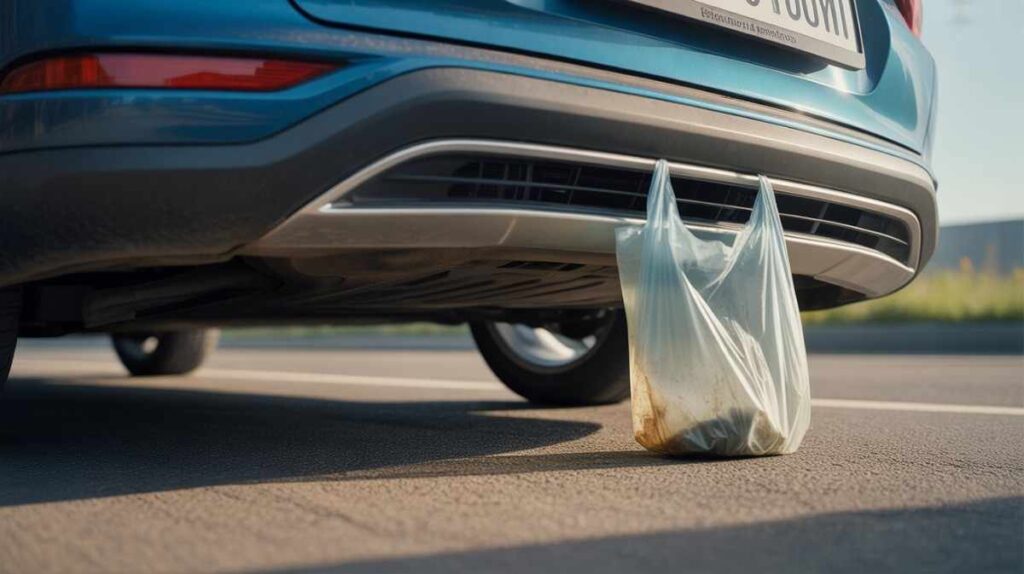
Plastic Bag Stuck Under Car
A plastic bag stuck under your car can happen to anyone. These plastic bags are very light, so wind or passing vehicles can easily push them onto roads. Sometimes drivers don’t notice, and the bag gets trapped in the car’s undercarriage or near heat shields.
- Melting Hazard: If the bag touches hot engine parts or the exhaust system, it may start to melt, leaving sticky residue and a strong burning plastic smell.
- Difficult to Recycle: Once melted, the bag mixes with oil, dirt, and dust, making it hard to recycle.
- Curbside Rejection: Even if the bag looks clean, most curbside recycling programs mark it as non-recyclable.
Types of Plastics and Recycling Challenges
| Plastic Type / Issue | Details | Recycling Notes |
|---|---|---|
| LDPE (Low-Density Polyethylene) | Common in everyday shopping bags. A plastic bag stuck under car is often made of LDPE. | Technically recyclable, but dirty, melted, or oily bags are nearly impossible to recycle. |
| HDPE (High-Density Polyethylene) | Stronger, more durable bags. | Can be recycled if clean, but road or under-car contamination usually makes them non-recyclable. |
| Non-Recyclable Bags | Any bag contaminated beyond cleaning. | Should be safely disposed of in the trash. |
| Machine Risks | Dirty or contaminated bags entering recycling plants. | Can jam machinery, causing delays and damage. |
Environmental Impact of Roadside Plastic Bags
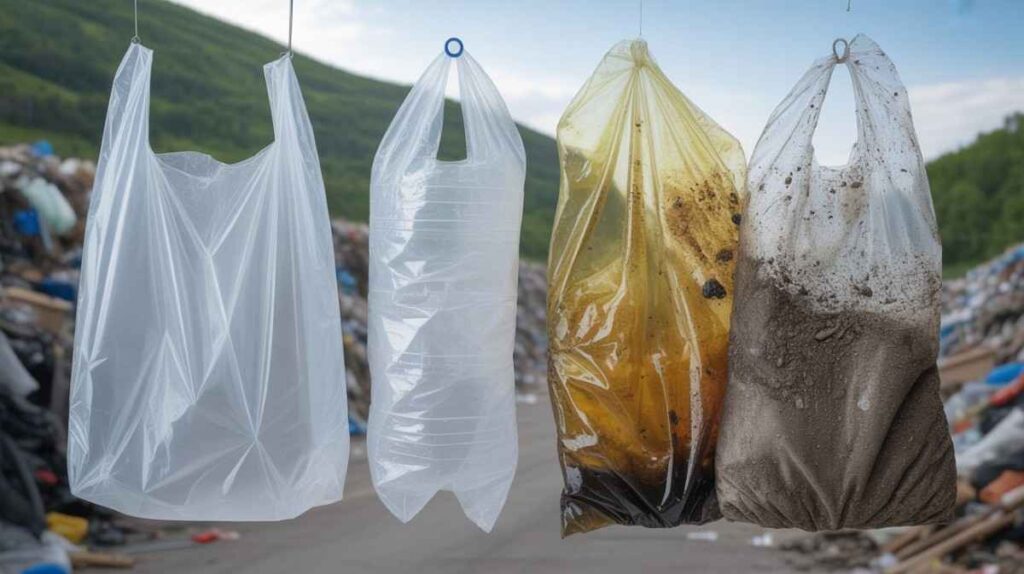
- Harm to Wildlife: Even a small plastic bag stuck under your car can fall into storm drains, rivers, or oceans, where it poses a threat to fish and other animals.
- Melting and Vehicle Damage: Bags that melt on the exhaust system or wrap around moving parts can produce a strong burning plastic smell and minor damage to your car.
- Recycling Limitations: Once contaminated or melted, these bags are usually non-recyclable, making cleanup more difficult.
- Prevention Over Fixing: Keeping plastic bags off roads is far more effective than dealing with them after the fact.
- Protecting the Environment: Collecting roadside plastics responsibly safeguards both the environment and your vehicle.
Can a Plastic Bag Stuck Under Your Car Be Recycled?
- Rarely Recyclable: A plastic bag stuck under your car is almost never accepted by curbside recycling programs.
- Contamination Problems: Bags that are dirty, melted, or covered in road debris cannot be recycled, even if they are made of LDPE or HDPE.
- Store Drop-Offs: Some stores accept clean film plastics, but they do not take roadside debris or melted bags.
- Proper Disposal: Disposing of the bag in the trash is the safest way to protect recycling machines and manage waste responsibly.
Safe Removal and Disposal Tips
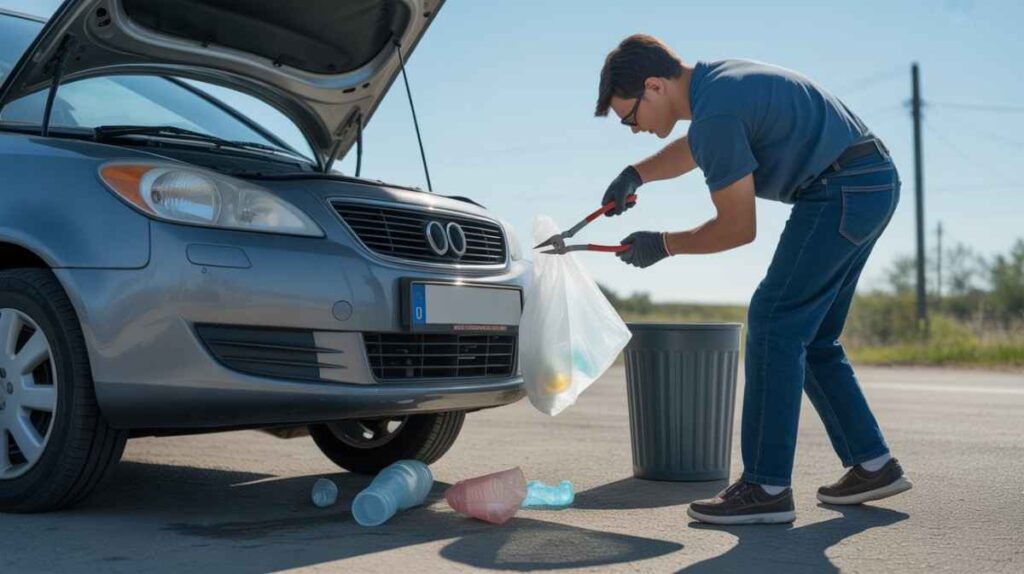
- Cool Your Car First: Make sure the engine and exhaust are completely cool before removing the bag to avoid burns.
- Protect Your Hands: Always wear gloves when handling the bag.
- Use Proper Tools: A plastic scraper or long-handled pliers works best for reaching under the car safely.
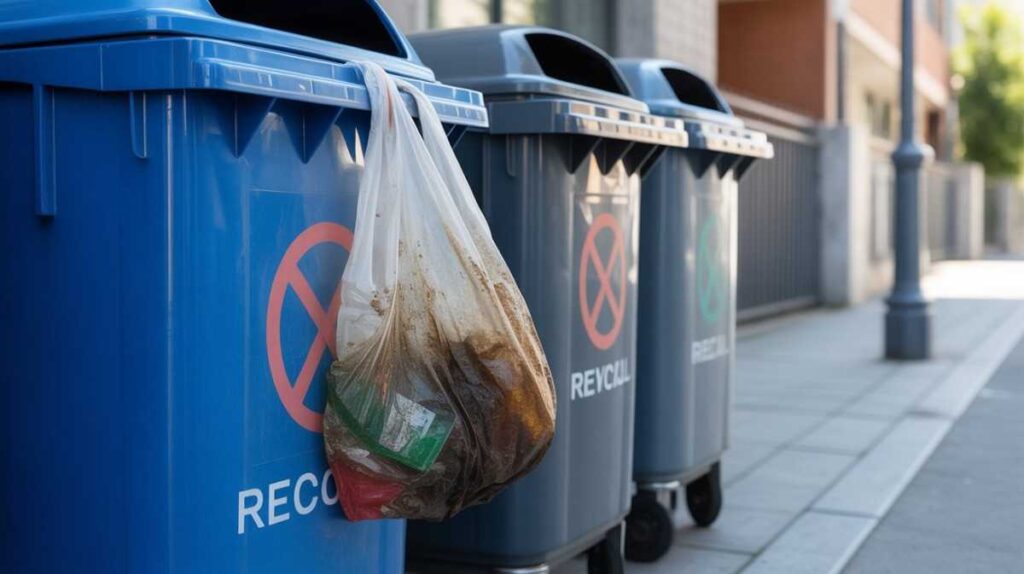
- Check the Bag: If the plastic bag stuck under your car is dirty, melted, or oily, dispose of it in the trash.
- Recycle Only Clean Bags: Clean LDPE or HDPE bags can be taken to designated store drop-off points.
- Prevent Damage: Following these steps protects your vehicle and ensures roadside plastics are managed safely.
Alternatives and Preventive Measures
| Preventive Measure | Details / Action | Benefit |
|---|---|---|
| Use Reusable Bags | Opt for cloth, biodegradable, or stronger plastic bags. | Reduces roadside waste and prevents bags from getting stuck under cars. |
| Recycle Clean Plastics | Take clean LDPE or HDPE bags to designated store drop-off points. | Ensures proper recycling and reduces non-recyclable waste. |
| Participate in Cleanups | Collect trash from roads regularly. | Prevents bags from ending up under cars and harming the environment. |
| Secure Your Bags | Avoid leaving plastic bags loose in your car or pickup truck. | Minimizes the chance of bags falling onto roads. |
| Focus on Prevention | Reduce plastic bags on roads proactively. | Less non-recyclable waste and safer vehicles. |
Microplastics Risk from Plastic Bags Stuck Under Cars
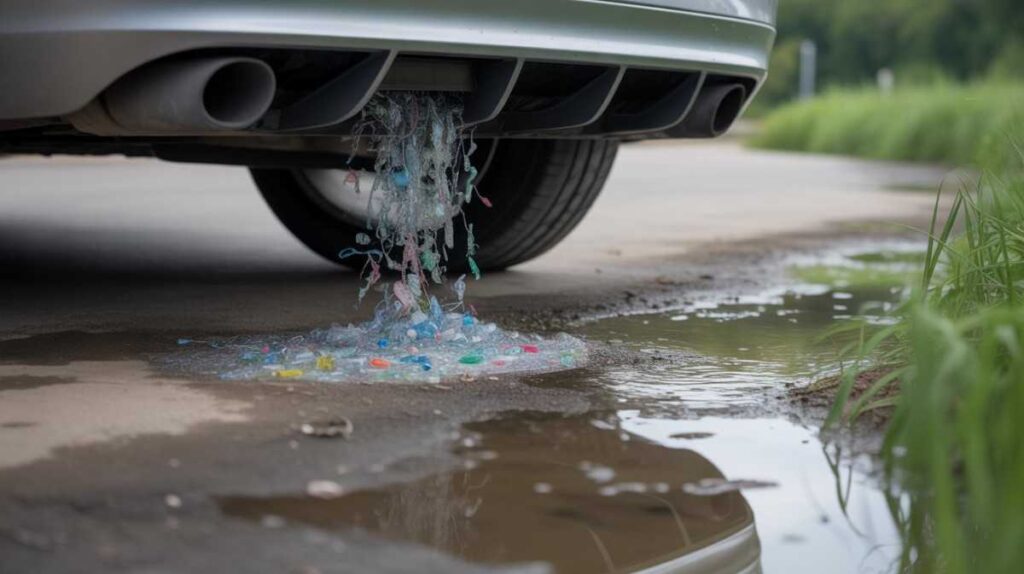
- Formation of Microplastics: When a plastic bag stuck under your car melts from engine heat or touches the exhaust system, tiny fragments called microplastics break off.
- Environmental Contamination: These invisible particles can enter storm drains, soil, and rivers, causing long-term pollution.
- Impact on Wildlife: Microplastics are very difficult to remove and can harm wildlife, aquatic animals, and ecosystems.
- Contribution to Waste: Even a single melted bag adds to non-recyclable plastic waste. Over time, multiple bags trapped under vehicles can become a significant pollution source.
- Prevention is Key: Preventing plastic bags from getting trapped under cars and removing them safely reduces vehicle hazards and hidden environmental threats, supporting responsible waste management.
FAQ – Plastic Bags Stuck Under Cars and Recycling
Q1: Can a plastic bag stuck under my car be recycled?
A: Usually not. Bags exposed to heat, dirt, or oil are non-recyclable. Only clean LDPE or HDPE bags can be recycled through store drop-off points.
Q2: Can a plastic bag stuck under my car harm my vehicle?
A: Yes. Bags can melt on the exhaust system, wrap around belts, or produce a strong burning plastic smell, causing minor damage.
Q3: How can I safely remove a plastic bag stuck under my car?
A: Wait for the engine to cool, wear gloves, and use a plastic scraper or long-handled pliers. Dirty or melted bags should be thrown in the trash.
Q4: How can I prevent plastic bags from getting stuck under my car?
A: Use reusable bags, secure items in your vehicle, recycle clean plastics properly, and participate in roadside cleanup efforts.
Conclusion
A plastic bag stuck under your car is rarely recyclable once it comes into contact with dirt, oil, or road debris. Removing it safely protects both your vehicle and the environment. Only clean LDPE or HDPE bags can be recycled properly. Using reusable bags, recycling responsibly, and collecting roadside plastics can significantly reduce non-recyclable waste and prevent future problems. Careful handling of plastic waste helps keep roads, cars, and the planet cleaner.