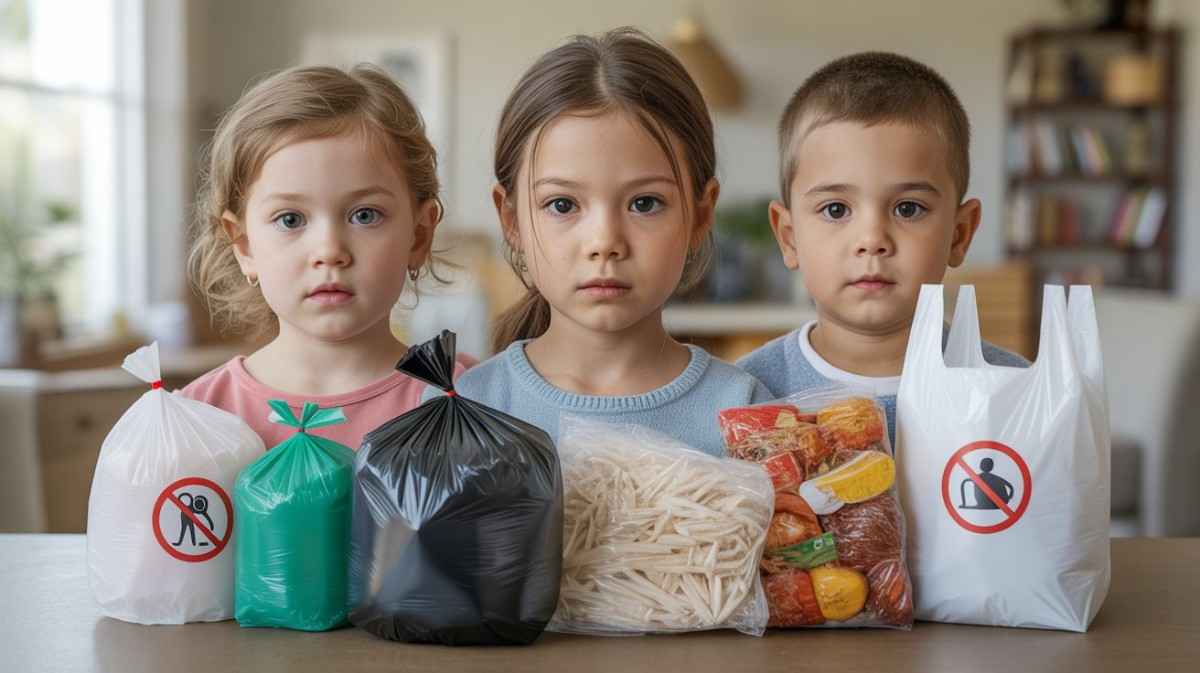

Green plastic bags: 5 powerful reasons to choose them now, reduce plastic waste, protect the environment, and embrace smarter sustainable packaging.
Introduction
Plastic waste is a major environmental issue affecting land, oceans, and wildlife worldwide.
With rising awareness, green plastic bags are emerging as a practical alternative to single-use plastic bags.
They help reduce environmental impact while maintaining everyday convenience.
Their growing demand reflects a clear move toward eco-friendly plastic bags and sustainable packaging solutions.
Consumers now prefer packaging that supports plastic waste reduction without compromising strength or usability.
Green plastic bags fulfill this need through durable design, better materials, and improved end-of-life options.

Environmental Impact and Benefits of Green Plastic Bags
| Aspect | Details |
|---|---|
| Environmental Impact | Green plastic bags have a much lower impact than traditional plastic bags when used and disposed of responsibly. |
| Plastic Pollution | Conventional plastic bags can persist for hundreds of years, polluting land, oceans, and harming ecosystems. |
| Sustainability Action | Green plastic bags encourage reuse, recycling, or controlled decomposition. |
| Carbon Emissions | Using eco-friendly plastic bags reduces carbon emissions by cutting dependence on virgin plastics. |
| Business Benefits | Improves sustainability credentials and ensures compliance with environmental regulations. |
| Consumer Benefits | Provides an easy way to embrace sustainable living without major lifestyle changes. |
| Key Requirement | Proper disposal is essential to achieve real environmental benefits. |
What Are Green Plastic Bags?
Green plastic bags are specially designed to minimize environmental impact compared to traditional plastic bags.
They include biodegradable, compostable, recycled, and reusable types, each promoting sustainability in a distinct way.
- Biodegradable bags break down gradually through natural microbial activity.
- Compostable bags transform into natural elements under controlled composting conditions.
- Recycled bags are made from plastic waste, supporting a circular economy and reducing new plastic production.
- Reusable bags are made for repeated use, providing one of the most eco-friendly packaging solutions available.

Common Uses of Green Plastic Bags:
| Type of Green Bag | Common Uses | Key Benefits |
|---|---|---|
| Reusable Bags | Shopping in grocery stores and retail shops | Durable, lightweight, long-lasting |
| Compostable Bags | Organic waste, food scraps | Supports proper decomposition and eco-friendly disposal |
| Recycled Bags | Retail packaging, e-commerce | Promotes sustainable packaging and reduces new plastic production |
| All Green Bags | Household and commercial applications | Versatile and environmentally responsible |

1. Life-Cycle Assessment & Environmental Trade-Offs
Not all green plastic bags are automatically eco-friendly.
Life-cycle assessments (LCA) show that production methods, energy use, and disposal practices strongly affect their overall sustainability.
Even biodegradable and compostable plastics can have a higher carbon footprint if manufactured inefficiently.
Understanding these trade-offs helps consumers and businesses choose truly eco-friendly plastic bags and sustainable packaging solutions.
2. Microplastics & End-of-Life Behavior
Green plastic bags do not always break down cleanly in natural environments.
Biodegradable bags can fragment into microplastics if not processed in proper composting facilities.
These microplastics persist in soil and water, affecting wildlife and ecosystems.
Emphasizing this ensures that proper disposal is understood as essential for real environmental benefits.
3. Consumer Behavior & Adoption Challenges
The effectiveness of green plastic bags depends heavily on consumer habits.
Repeated use, correct disposal, and adherence to recycling or composting practices are critical to reduce plastic waste.
Educating users about best practices ensures green plastic bags deliver meaningful sustainability outcomes.
Many competitors overlook consumer behavior, making this a key factor for practical guidance.
4. Future Materials & Innovations
Innovative materials like PHAs (Polyhydroxyalkanoates) and PLA (Polylactic Acid) are shaping the next generation of green plastic bags.
These materials can be sourced from food and agricultural waste, creating a circular economy in packaging.
New eco-composite bags fully degrade in months while remaining stronger than traditional plastics.
Highlighting these innovations positions your content as forward-looking and authoritative.
5. Infrastructure & Real-World Limitations
Green plastic bags perform best only when recycling or industrial composting infrastructure is available.
Without this, even biodegradable or compostable bags may end up in landfills or oceans, nullifying environmental benefits.
This underscores the importance of systemic support alongside eco-friendly packaging choices.

FAQs About Green Plastic Bags
Q1: Are green plastic bags truly eco-friendly?
Green plastic bags are significantly more eco-friendly than traditional plastic bags when they are reused or disposed of responsibly.
Q2: Can green plastic bags be recycled?
Some green plastic bags are recyclable, while compostable bags should be composted to ensure safe decomposition.
Q3: How long do biodegradable green plastic bags take to break down?
Biodegradable green plastic bags can take months to a few years to fully decompose, depending on environmental conditions.
Q4: Are green plastic bags better than paper bags?
When reused multiple times, green plastic bags often have a lower environmental footprint than paper bags.
Conclusion
Green plastic bags are not a perfect solution but offer a clear improvement over conventional plastic bags.
They help reduce plastic waste, support sustainable packaging, and encourage responsible consumption.
The real value comes from making informed choices, reusing bags, and ensuring proper disposal.
Used thoughtfully, green plastic bags play a critical role in reducing plastic pollution and promoting a more sustainable future.